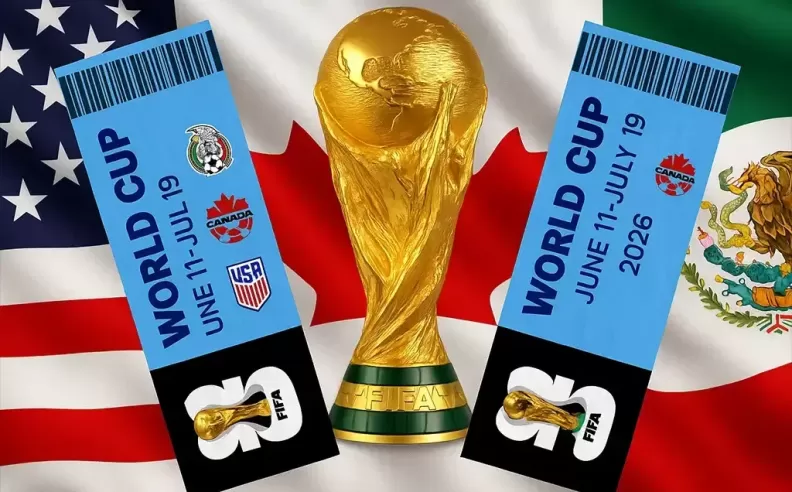
With every World Cup edition, fans dream of witnessing history from the stands. For 2026, however, conversations have shifted from star players and stadiums to staggering ticket prices. As the final at MetLife Stadium in New Jersey approaches, the spotlight has turned toward record breaking figures that have sparked worldwide controversy. While officials defend pricing mechanisms, supporters argue that the tournament risks distancing itself from its core audience.
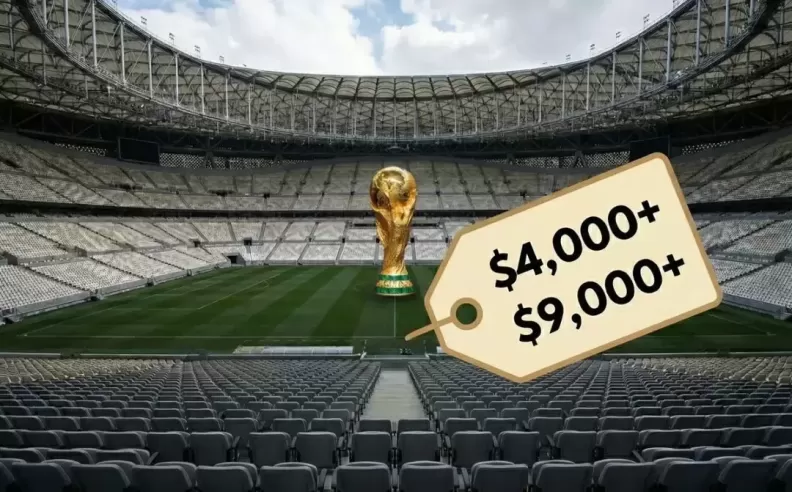
Listing tickets through FIFA’s official resale platform, sellers have pushed prices to levels many consider extreme. While some third category seats originally started around 3450 US dollars, resale listings climbed as high as 143750 US dollars, more than forty times their base value. Even the lowest available resale ticket exceeded 9700 US dollars, transforming attendance into a premium experience beyond reach for most supporters. Similar spikes appeared for the opening match, reinforcing a trend driven by massive global demand. Reporting hundreds of millions of ticket requests worldwide, organizers acknowledge the intense pressure that continues to fuel soaring resale prices.
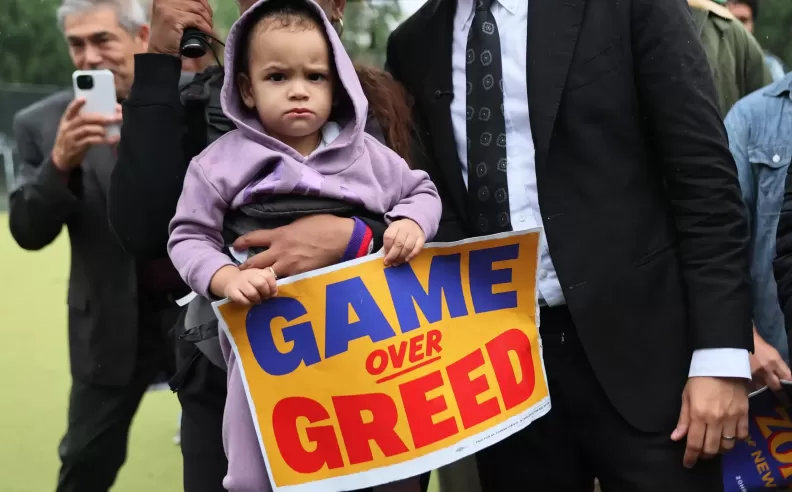
Criticizing the escalating costs, European supporter associations have described the pricing strategy as a departure from the tournament’s inclusive spirit. Traditionally celebrating unity and shared passion, the World Cup now appears increasingly accessible only to those with significant financial means. Arguing that authentic atmosphere comes from dedicated fans rather than luxury spectators, supporter organizations stress that stadium energy depends on traditional football followers. Highlighting reports of unsold ticket allocations within certain national associations, critics suggest that pricing may already be limiting participation. Factoring in travel and accommodation expenses, overall costs rise further, placing the experience beyond reach for many families and younger fans.
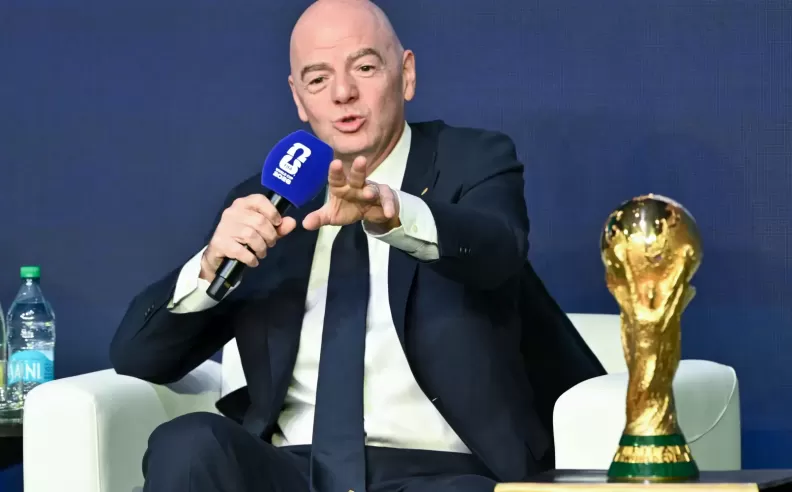
Explaining its position, FIFA states that the official resale platform operates as a fan to fan marketplace with a 15 percent commission, allowing sellers to set their own prices. Confirming the use of a variable pricing system based on demand and availability, the organization denies employing fully automated dynamic pricing across all phases. Introducing a limited 60 US dollar ticket category for select official supporter groups, FIFA attempts to maintain some level of accessibility. Nevertheless, critics argue that such measures fall short of addressing the widening gap between supply, demand, and affordability. As kickoff approaches, uncertainty remains over whether World Cup 2026 will preserve its traditional stadium atmosphere or evolve into a more exclusive global spectacle.

Started my career in Automotive Journalism in 2015. Even though I'm a pharmacist, hanging around cars all the time has created a passion for the automotive industry since day 1.





 SHARE
SHARE