The smartphone race has always been intense, but the latest quarter shows a decisive shift in momentum. While debates continue about design, cameras, chipsets, and “who copied who,” the real battle is happening in shipment numbers and Samsung just pulled ahead. With millions of devices shipped across global markets, the brand reclaimed its position as the world’s top smartphone supplier, signaling a deeper change in long-term ecosystem power.

Samsung managed to ship nearly 60 million smartphones, surpassing Apple’s just over 50 million during the same quarter. This difference may look small at first glance, but it represents a significant lead in global market share roughly 21% for Samsung compared to around 17% for Apple. That lead matters because higher shipment volume means more users entering Samsung’s ecosystem, more app downloads, and stronger presence in emerging markets where volume dictates influence and future loyalty.

In the tech world, today’s sales determine tomorrow’s dominance. More shipped devices mean more people locked into one ecosystem using its apps, cloud services, subscriptions, and future upgrades. Samsung’s volume advantage strengthens its long-term position, giving it leverage in services and software revenue, which are becoming just as important as the hardware itself.
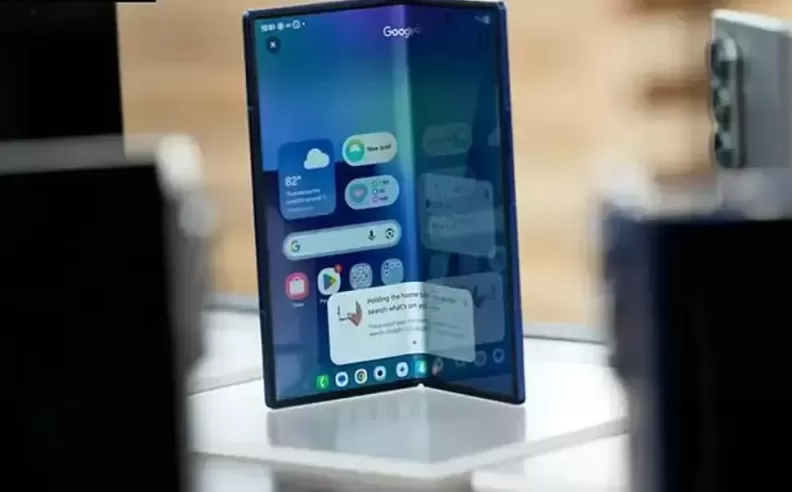
This quarter’s numbers show that Samsung’s strategy of offering a wide range of models from premium flagships to budget-friendly devices is paying off. Apple still dominates the high-end segment, but Samsung’s broader lineup allows it to capture diverse markets, especially in regions where affordability drives buying decisions. As consumer behavior shifts, flexibility becomes a major advantage.
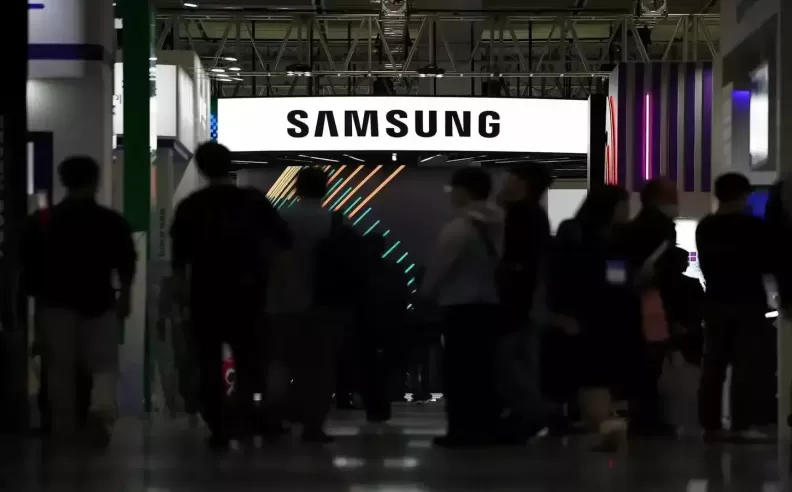
When a brand grows its install base, it grows its influence. Users who buy a Samsung device today are more likely to stay within the brand when upgrading later, especially because their apps, accounts, and services remain tied to the same ecosystem. With millions of new users entering Samsung’s system this quarter, the long-term impact becomes clear: stronger loyalty, higher retention, and more recurring revenue.
This shift highlights a simple truth: winning the volume game creates long-term dominance. While Apple excels in premium appeal and brand loyalty, Samsung’s wide reach allows it to influence global markets at scale. The one who controls volume controls the future and right now, Samsung holds the advantage.

Started my career in Automotive Journalism in 2015. Even though I'm a pharmacist, hanging around cars all the time has created a passion for the automotive industry since day 1.



 SHARE
SHARE