As March arrives, the global tennis calendar shifts from a measured start to high-stakes competition. The pace accelerates early, and the spotlight moves firmly to the United States. Two major stops shape the month: Indian Wells and the Miami Open. Together, they form what many consider the golden spring double on hard courts. With Masters 1000 and WTA1000 points on the line, top players step onto American soil not only to compete, but to define their momentum before the clay season begins. For Arab and Gulf fans, this stretch offers prime-time drama and elite matchups that reward late-night viewing.
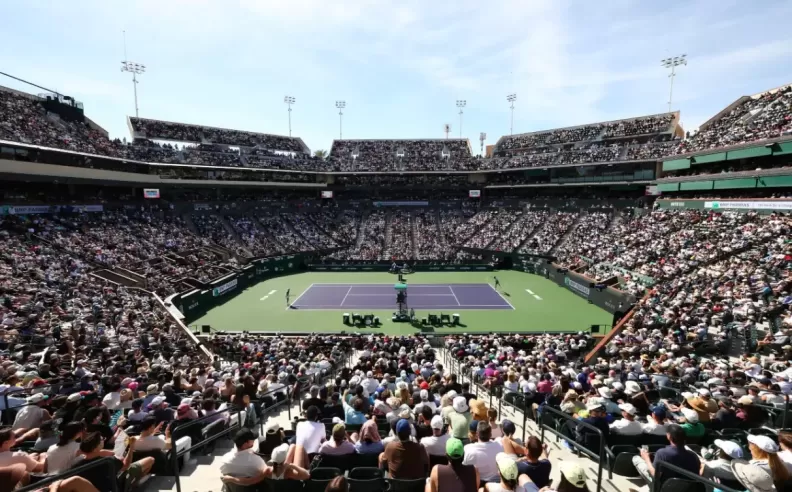
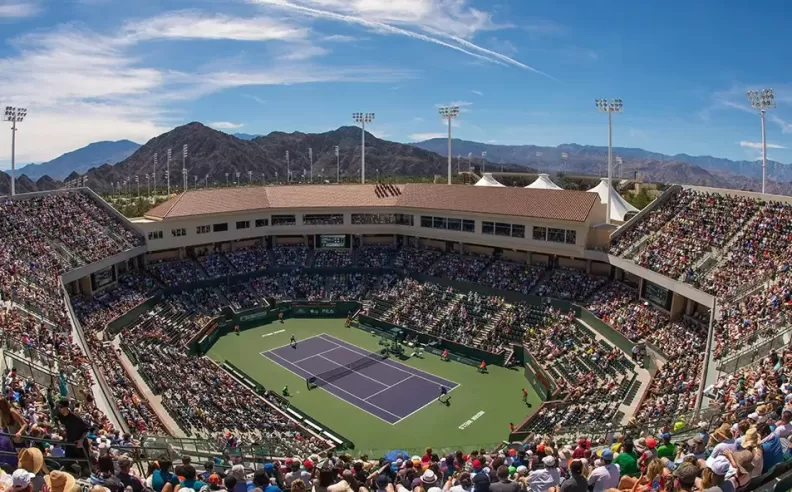
Indian Wells launches from March 4 to 15, 2026 in California, standing as one of the most prestigious ATP Masters 1000 and WTA1000 tournaments on tour. Players often label it the unofficial fifth Grand Slam due to its scale, organization, and competitive depth.
The hard courts demand balance between power and control, testing how prepared the stars truly are after the opening months of the season. Top-ranked contenders seek to solidify their positions in the global standings, while emerging talents chase valuable points in front of an energized American crowd. The tournament hosts both men and women simultaneously, offering a complete showcase of elite tennis in one setting.
For regional audiences, evening match schedules allow manageable viewing without extreme late nights, especially on weekends. Indian Wells does not simply open March; it sets the competitive narrative for the weeks ahead.
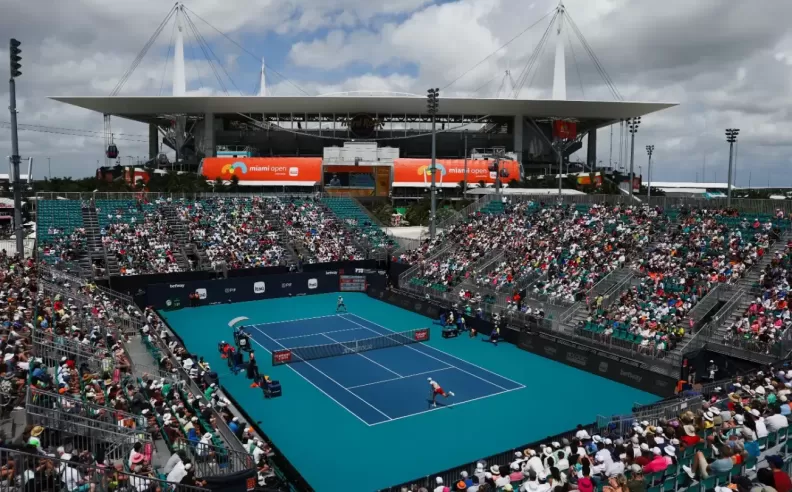
Miami Open presented by Itaú follows almost immediately, running from March 18 to 29 for men and March 17 to 29 for women. Together with Indian Wells, it forms the celebrated Sunshine Double, one of the toughest achievements in professional tennis when a player attempts to win both titles in the same month.
Miami introduces a different atmosphere. The city delivers energy, speed, and humidity, forcing players to adjust tactics quickly. The hard courts typically play faster than in California, rewarding strong servers and aggressive baseline hitters. Conditions demand physical endurance and tactical discipline, especially for those who aim to sustain deep runs in consecutive tournaments.
Beyond competition, Miami carries a vibrant identity that blends sport with spectacle. The event attracts global attention and often signals who is ready to transition confidently into the upcoming European clay swing. March in Miami becomes a proving ground before the season shifts surface and style.
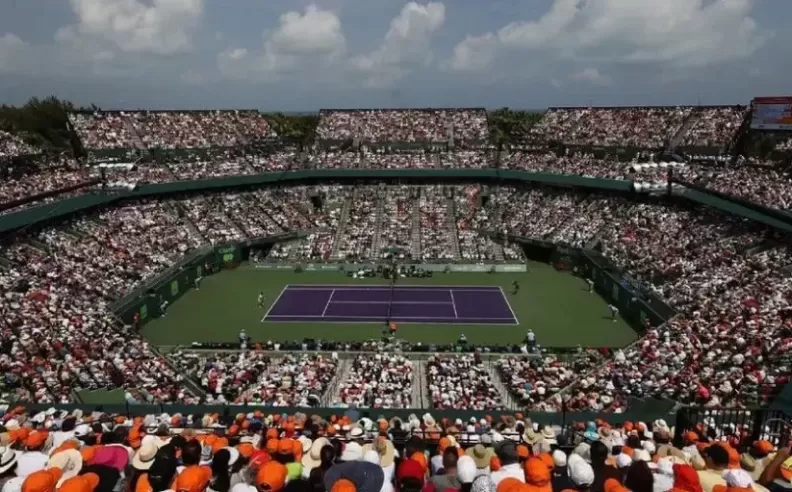
Indian Wells and Miami do more than distribute ranking points; they influence the psychological and competitive tone of the season. Players who leave the United States with strong results gain significant confidence heading into April and May. Momentum built here often translates into deeper runs later in the year.
The format stretches across nearly two weeks per event, creating demanding schedules and extended match days. Managing recovery, energy, and mental focus becomes essential. Those who handle pressure intelligently reveal championship-level discipline.
For fans across Saudi Arabia and the wider Arab region, March offers back-to-back elite tournaments within days of each other. The concentration of top-tier names in a single month creates a compelling viewing experience. Performances delivered under American lights frequently signal which athletes will dominate headlines throughout 2026.

Started my career in Automotive Journalism in 2015. Even though I'm a pharmacist, hanging around cars all the time has created a passion for the automotive industry since day 1.





 SHARE
SHARE