Feels winter camping like a different world compared to summer trips. Creates quieter landscapes, cleaner air, and fewer crowds, allowing real escape from daily noise. Requires preparation, awareness, and respect for cold conditions, but rewards effort with one of the most satisfying outdoor experiences for men seeking challenge, calm, and control in nature.
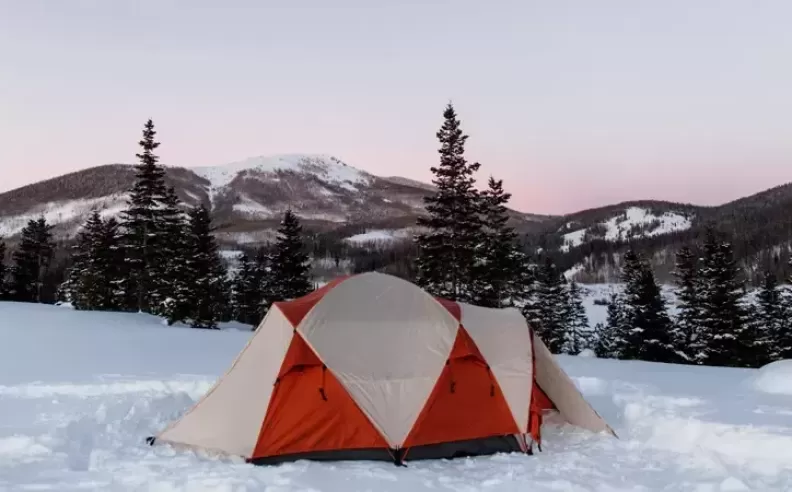
Starts winter camping success by choosing the right location before setting up camp. Requires selecting a spot protected from strong winds, away from steep slopes, unstable trees, or avalanche paths. Benefits from choosing areas that receive morning sunlight, helping natural warmth return early in the day. Demands compacting snow before pitching a tent to prevent melting and shifting overnight. Enhances the experience by prioritizing privacy, allowing the calm nature of winter camping to fully take effect and support mental clarity.
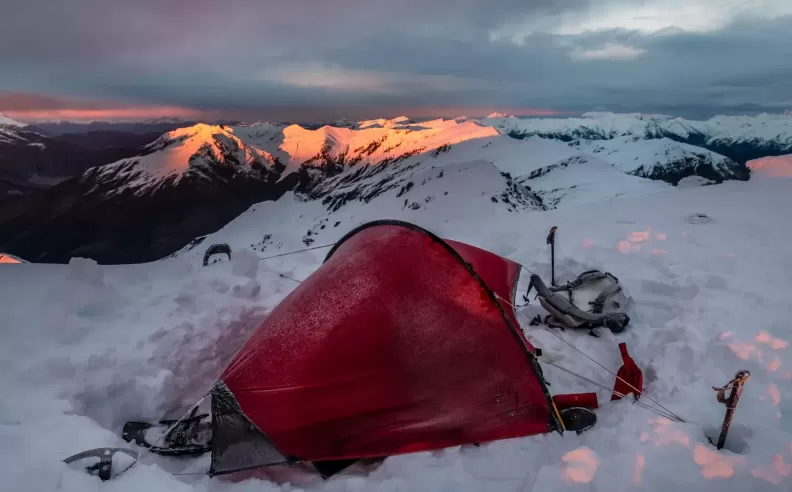
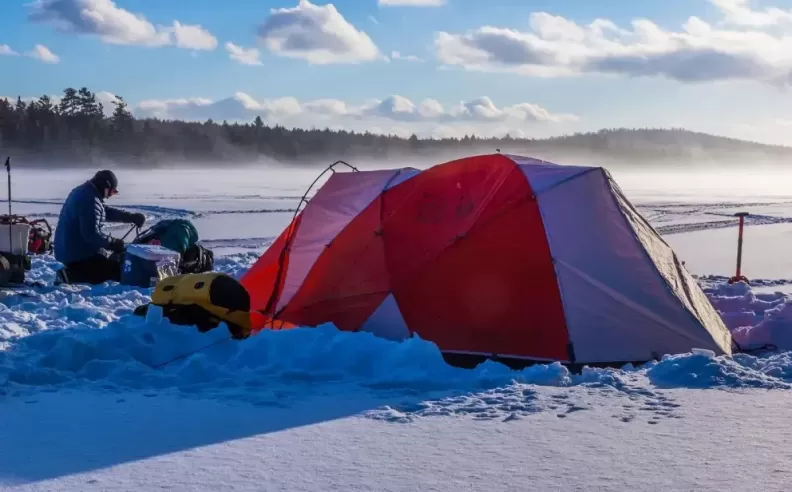
Requires tent setup on snow to follow a different approach than mild weather camping. Begins by packing snow firmly to create a solid base. Depends on snow-specific anchors instead of standard tent stakes for proper stability. Allows building simple snow walls around the tent to block wind during storms. Maintains comfort by ensuring ventilation inside the tent to reduce condensation buildup. Improves movement and cleanliness by creating a small gear area outside the entrance, keeping snow and moisture from entering the sleeping space.
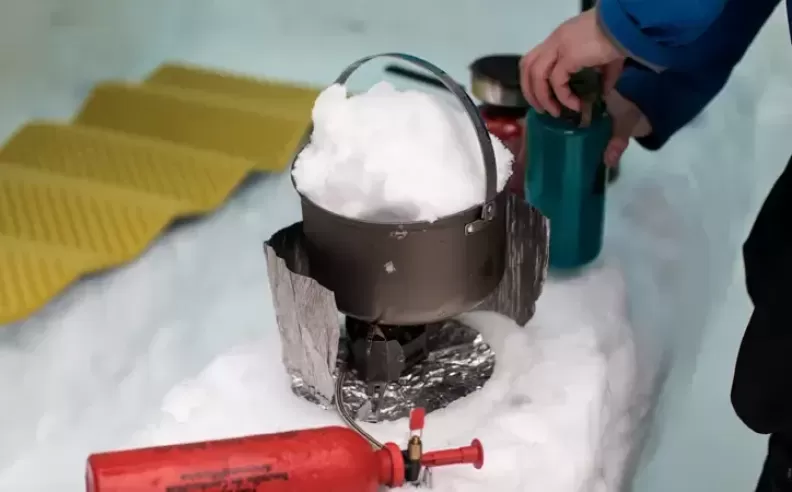
Demands winter camping nutrition to focus on warmth and sustained energy. Encourages eating hot, calorie-rich meals that help the body maintain heat in cold conditions. Favors simple foods that cook quickly to minimize exposure to freezing temperatures. Requires consistent hydration even without thirst signals, as cold air dehydrates silently. Includes melting snow when needed, planned carefully to avoid delays. Supports comfort through hot drinks like tea or soup that combine warmth, hydration, and mental relaxation after long outdoor hours.
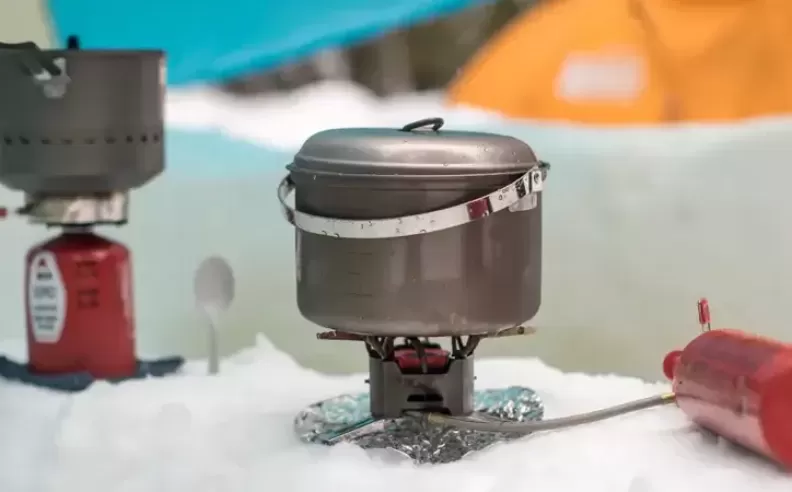
Relies winter camping safety on staying warm and dry at all times. Requires a four-season tent built to handle wind and snow loads. Depends on a sleeping bag rated below expected temperatures, supported by insulated sleeping pads to block ground cold. Uses stoves designed to perform in low temperatures with extra fuel available. Builds clothing around a layered system that manages moisture, traps heat, and blocks wind. Completes protection through accessories like hats, gloves, thermal socks, and sunglasses to guard against cold exposure and snow glare, ensuring comfort without distraction.
Delivers winter camping, when done correctly, a disciplined and rewarding adventure. Offers men a chance to test preparation, resilience, and presence while enjoying nature at its most raw and peaceful.

Started my career in Automotive Journalism in 2015. Even though I'm a pharmacist, hanging around cars all the time has created a passion for the automotive industry since day 1.



 SHARE
SHARE