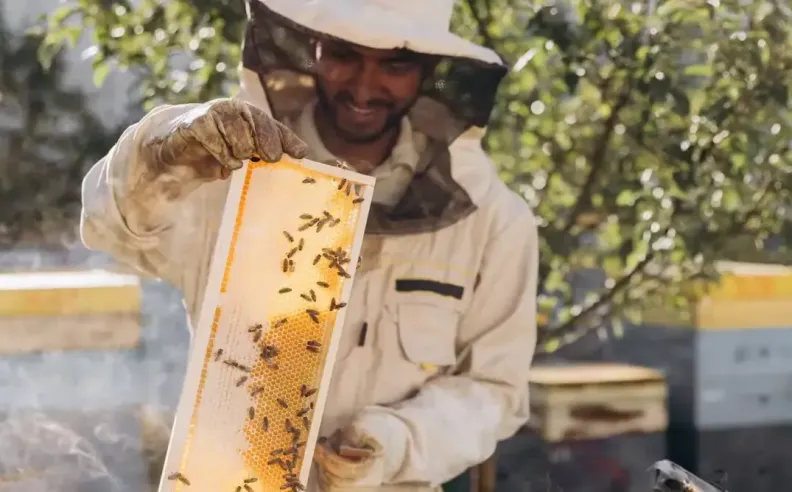
Offering far more than the promise of fresh honey, beekeeping combines outdoor activity, practical skills and continuous learning. Giving men an opportunity to understand one of nature's most fascinating communities, the hobby rewards patience and careful observation while providing an engaging alternative to screen-heavy routines.
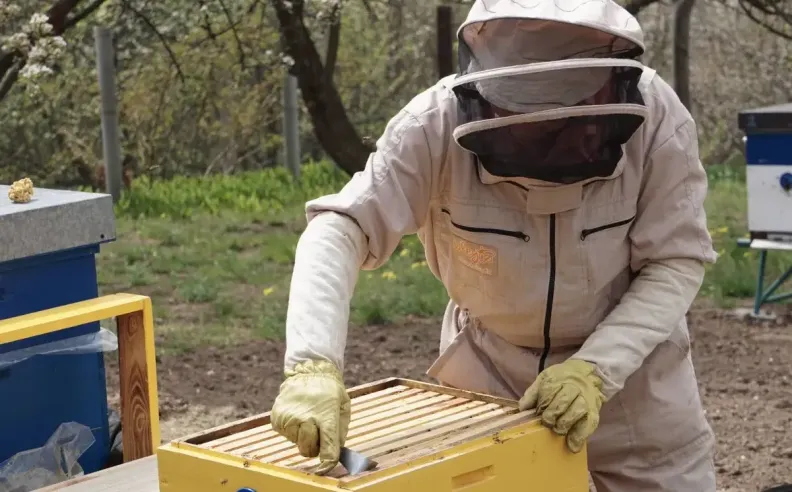
Requiring consistent involvement, beekeeping asks enthusiasts to take responsibility for a living colony rather than simply pick up an activity whenever convenient. Learning to inspect hives, observe changes within colonies and understand seasonal needs forms an essential part of the experience.
Revealing more with every inspection, a hive introduces beginners to the organisation of bee colonies, the different roles performed within them and the relationship between bees, plants and their surrounding environment.
Encouraging slower, more deliberate movements also gives beekeeping a distinctive pace. Handling bees safely requires attention and patience, making the activity noticeably different from many fast-paced modern hobbies.
Starting the journey does not necessarily require buying hives immediately. Joining a community beekeeping project or taking a specialist course can allow beginners to learn essential techniques from experienced beekeepers before investing in their own equipment.
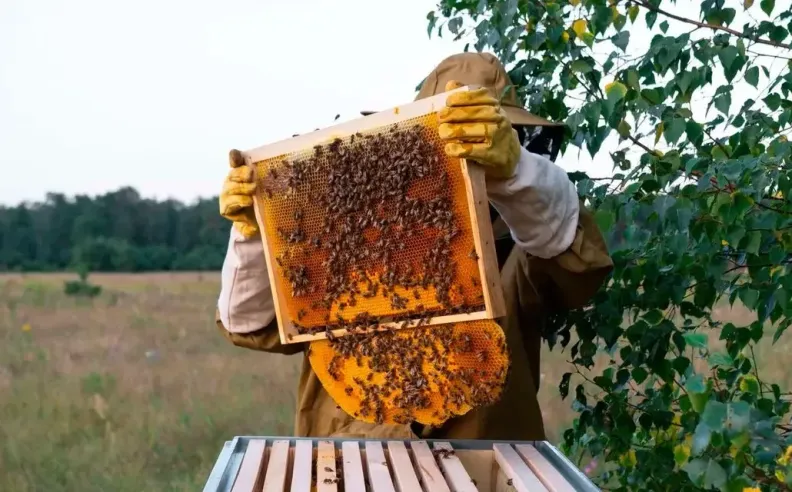
Building patience comes naturally through beekeeping because a colony cannot simply be controlled according to a fixed schedule. Instead, understanding its condition requires observing subtle signs and deciding when intervention is genuinely necessary.
Developing attention to detail and responsibility also becomes important when maintaining healthy colonies. Requiring regular inspections and awareness of changing environmental conditions, the hobby gradually teaches enthusiasts to notice small developments that might easily escape an inexperienced eye.
Opening the door to other outdoor interests can make the experience even more rewarding. Exploring gardening, growing pollinator-friendly plants, watching birds and learning more about local wildlife can all develop naturally from an initial interest in bees.
Practising responsible beekeeping remains equally important. Increasing the number of honeybee colonies is not always beneficial for a local ecosystem, particularly when high hive densities create competition with wild bees for food or contribute to disease transmission. Understanding local conditions should therefore form part of learning the hobby properly.
Offering an unusual combination of practical work, nature and discovery, beekeeping can ultimately become much more than an occasional pastime. Starting with a short course or a visit to a local apiary may be enough to turn simple curiosity into a lasting interest in bees and the wider natural world.

Started my career in Automotive Journalism in 2015. Even though I'm a pharmacist, hanging around cars all the time has created a passion for the automotive industry since day 1.





 SHARE
SHARE