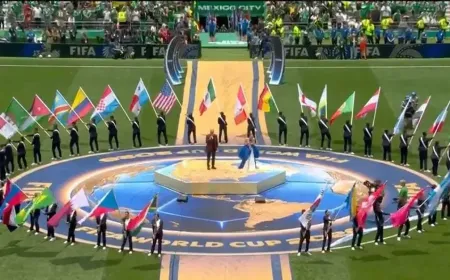
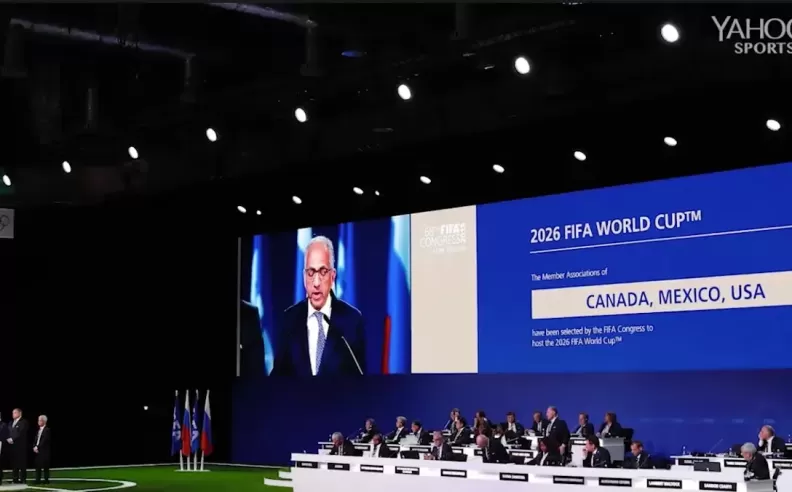
With the full schedule of the 2026 World Cup finally revealed, excitement around the globe has surged. The expanded 48-team format delivers more matches, more cities, and more storylines for fans to follow across Canada, the United States, and Mexico. From opening ceremonies to historic milestones, the tournament promises unforgettable moments that speak to every kind of football lover from casual viewers to die-hard supporters.
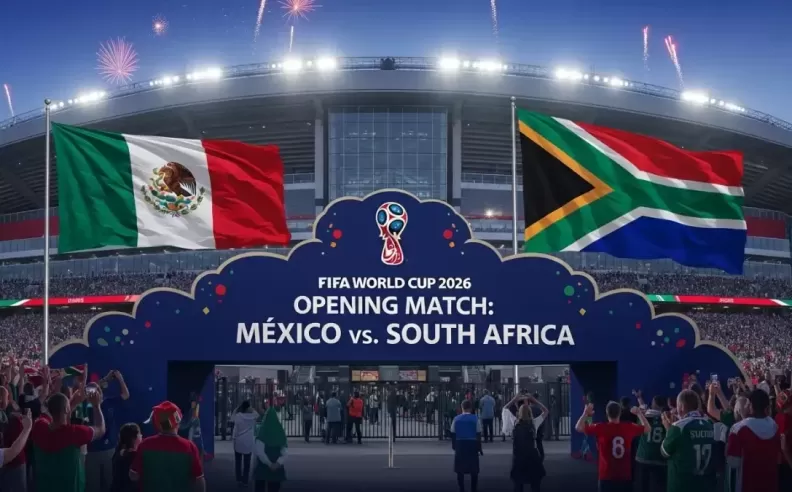
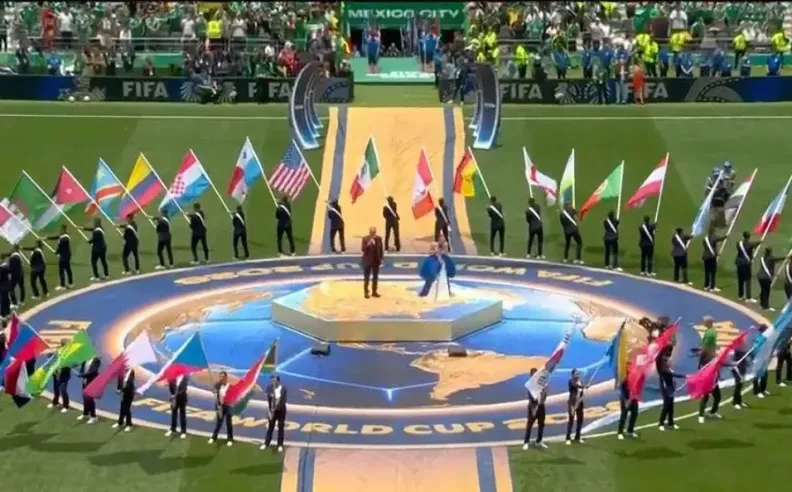
The World Cup begins in Mexico City where the host nation faces South Africa, creating a symbolic bridge to the unforgettable 2010 opener. The city’s electric atmosphere, combined with Mexico’s passionate fanbase, guarantees a powerful start to the tournament. Global timing also works perfectly, giving fans around the world a chance to join the moment live.
Canada launches its World Cup journey in Toronto against the European playoff winner, marking a meaningful chapter for a nation experiencing rapid football growth. In Los Angeles, the United States meets Paraguay in a matchup designed to energize local supporters. These opening games deliver more than competition they reflect years of planning, investment, and national ambition.

England and Croatia collide in Dallas in a rematch that recalls their emotional 2018 semifinal duel. The game takes place inside a climate-controlled stadium, guaranteeing top-tier conditions for players and fans. Another standout fixture features Germany against Curaçao, marking Curaçao’s first-ever appearance on football’s biggest stage. These matchups elevate the drama long before the knockout rounds begin.
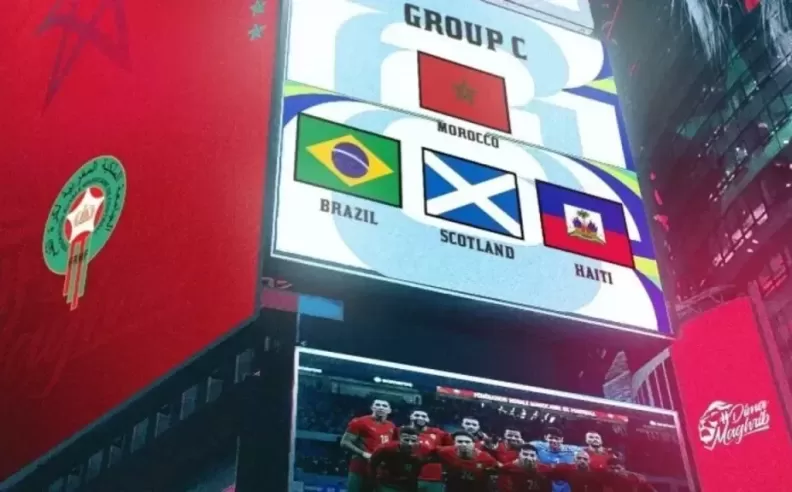
Few group stage matches carry the weight of Brazil vs Morocco. Hosted in New York–New Jersey, this matchup brings together two fanbases known for passion and pride. Morocco arrives with renewed confidence after its historic 2022 run, while Brazil enters as a perennial powerhouse. The stage, the timing, and the stakes combine to make this one of the tournament’s centerpiece events.
The 1000th World Cup match unfolds in Monterrey, where Tunisia takes on Japan in a rematch of their memorable 2002 meeting. The game carries historical weight, not only because of the milestone number but also because both teams represent evolving football cultures aiming to break new ground. The scheduling accommodates fans across continents, making the moment accessible and celebratory.
The 2026 schedule reflects detailed planning around climate, stadium infrastructure, travel distances, and player recovery. Matches are spread strategically to reduce long journeys and maximize rest without compromising fan engagement. The final schedule update will arrive in March, once qualification is complete, bringing supporters one step closer to the biggest World Cup ever staged.

Started my career in Automotive Journalism in 2015. Even though I'm a pharmacist, hanging around cars all the time has created a passion for the automotive industry since day 1.



 SHARE
SHARE