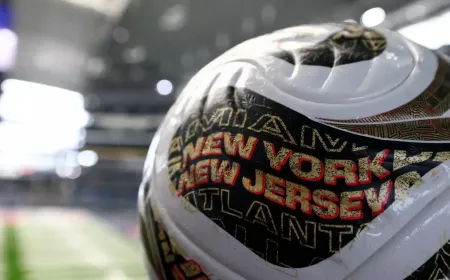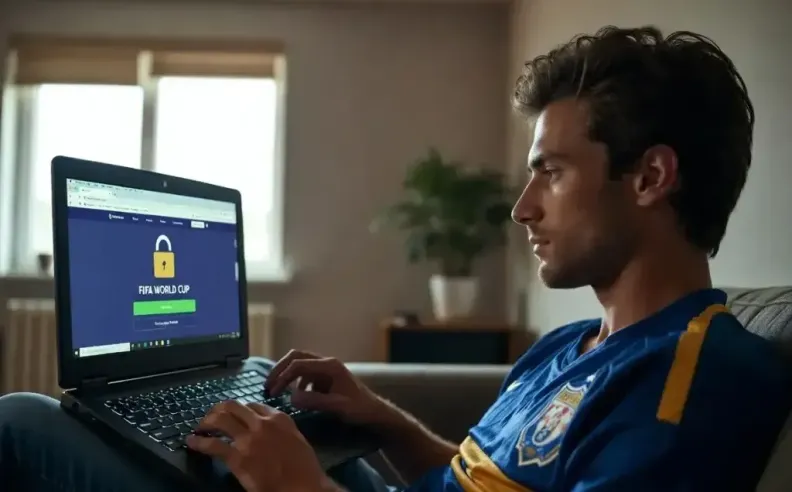
As excitement continues to build for the 2026 FIFA World Cup, fans across the globe are rushing to secure tickets for the biggest matches. With prices climbing rapidly and demand reaching extreme levels, scammers have started targeting football supporters through fake websites, suspicious offers, and misleading social media ads. For many fans, protecting personal information and avoiding financial loss has now become just as important as finding the perfect seat inside the stadium.

Making smart purchasing decisions remains the first step toward avoiding ticket fraud. Experts continue to recommend using official FIFA channels and verified resale platforms instead of relying on unknown sellers or random social media accounts. While some unofficial offers may appear cheaper or more exclusive, many of them involve fake digital tickets or copied QR codes that fail at the stadium entrance.
Adding extra security, major resale platforms often provide refund guarantees and buyer protection programs that help reduce risk. Before entering any payment details, checking for secure website signs such as the “https” prefix and lock icon also remains essential. These small details can help fans avoid fake pages designed to steal financial information during the checkout process.
Finding World Cup tickets far below market value may sound exciting at first, but in most cases, unrealistic prices become the biggest warning sign. Scammers frequently use urgency and limited-time offers to pressure fans into making quick decisions without verifying the source properly. In some situations, fake sellers even claim that the buyer won a ticket lottery they never entered.
Creating professional-looking websites and branded graphics, fraudsters often make fake promotions appear convincing enough to fool excited supporters. Taking a few extra minutes to search for online reviews, seller ratings, and customer experiences can make a major difference before completing any payment. Staying patient usually protects fans from making expensive mistakes driven by emotion and match-day excitement.
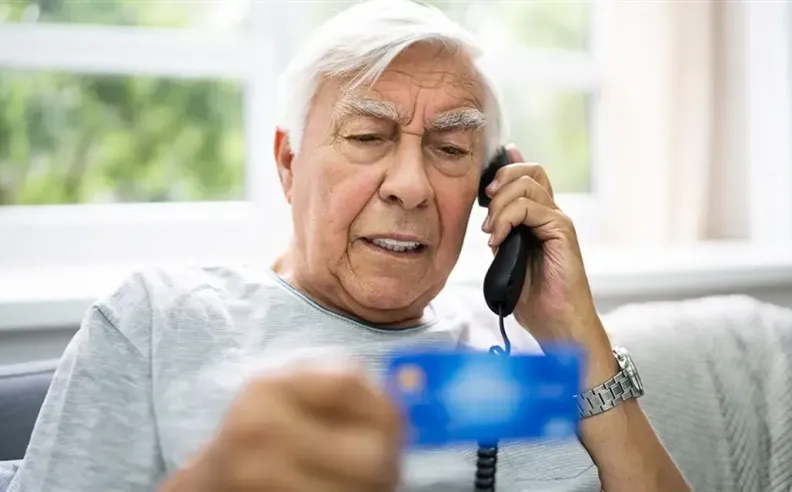
Responding immediately becomes critical once suspicious activity appears. If a buyer realizes the ticket may be fake or notices unusual payment activity, contacting the bank or credit card provider should happen as quickly as possible. Credit cards generally offer stronger fraud protection and dispute options compared to direct bank transfers or payment apps.
Monitoring financial accounts closely and updating passwords linked to payment methods also helps prevent additional damage. In more serious situations, freezing credit activity may become necessary to stop scammers from using stolen information elsewhere. While the excitement surrounding World Cup 2026 continues to grow, staying cautious online remains one of the most important steps for fans hoping to enjoy the tournament without unnecessary problems off the field.

Started my career in Automotive Journalism in 2015. Even though I'm a pharmacist, hanging around cars all the time has created a passion for the automotive industry since day 1.



 SHARE
SHARE