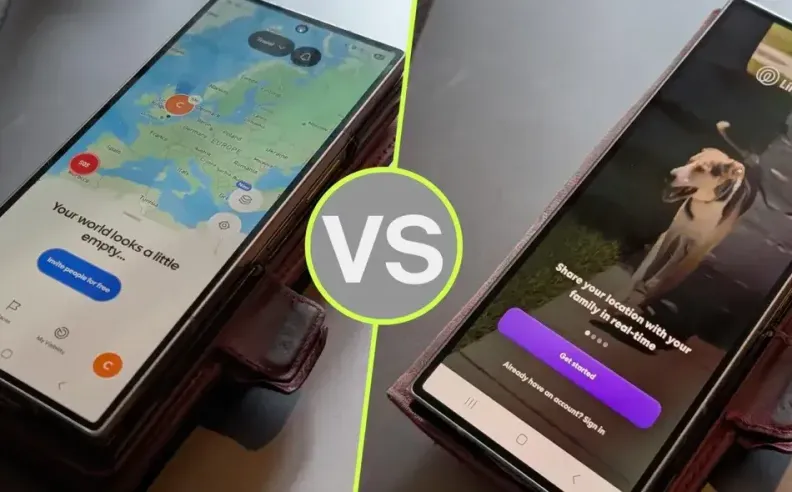
Location sharing has become a convenient way to check that family members arrived safely, coordinate with friends during trips or keep track of personal devices. While Life360 and Find My both handle real-time location sharing, differences in compatibility, battery use and extra features can make one better suited to certain users.
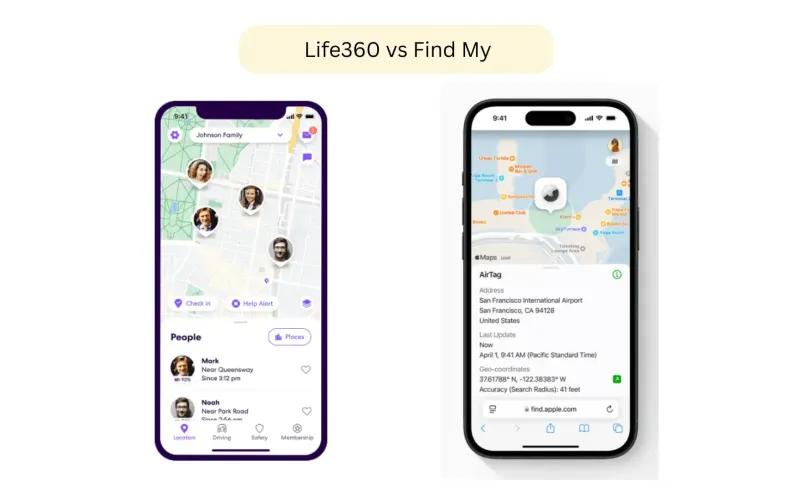
Delivering reliable location sharing, both apps allow users to see the position of people who have agreed to share their location. Offering a more feature-heavy experience, Life360 works across Android and iPhone and provides group maps, arrival and departure alerts, driving-related tools and location history depending on the selected plan.
Keeping things simpler, Find My integrates directly into the Apple ecosystem. Requiring no additional installation on supported Apple devices, it allows users to share locations with contacts while also helping locate Apple devices and compatible items.
Showing good accuracy in testing, both services handled location updates and alerts effectively, although Life360 experienced a minor delay during one test. Making the final choice therefore depends less on basic tracking and more on how many additional tools the user actually needs.
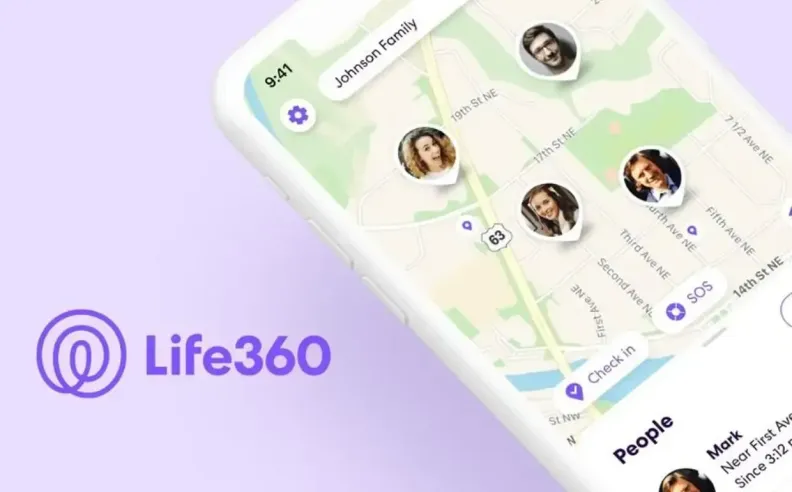
Adding more features can come with trade-offs. Showing noticeably higher battery consumption during the referenced test, Life360 demanded more power than Find My, while Apples deeper system integration helped Find My operate with much lighter battery use.
Offering another advantage, Find My comes free with Apple devices. Providing a free tier as well, Life360 reserves some of its more advanced features for paid subscriptions.
Giving Life360 an important edge, however, is cross-platform compatibility. Supporting both Android and iPhone makes it more practical for families or groups using different smartphones. Keeping everything within Apples ecosystem, Find My makes more sense when everyone already uses compatible Apple devices and only needs straightforward location sharing.
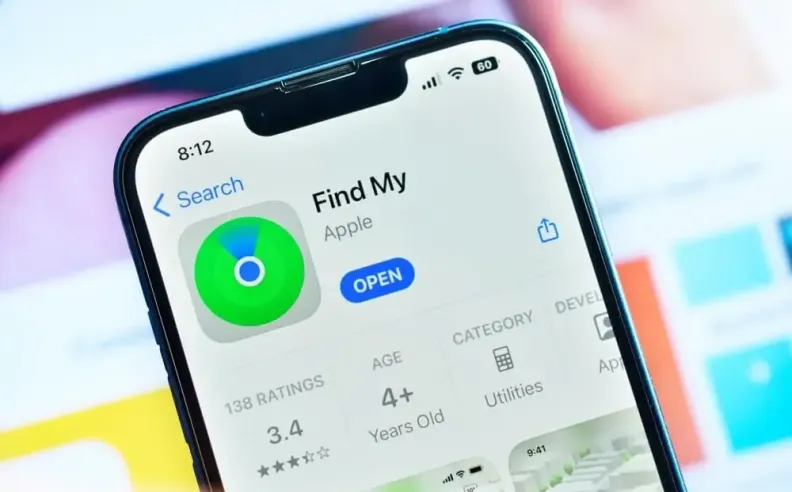
Choosing Find My makes sense for Apple users who value simplicity, low battery impact and free location sharing without needing extensive tracking features. Keeping the experience integrated with other Apple devices also makes it particularly convenient for people already invested in the ecosystem.
Choosing Life360 becomes more attractive when a family or group mixes Android and iPhone devices or wants features beyond a simple dot on a map. Offering tools such as driving insights, safety features and expanded location history on supported plans gives it a broader focus.
Remaining important with either option is privacy. Sharing a live location can reveal sensitive details about everyday movements, so users should enable it with clear consent and regularly review who has access. Ultimately, Find My wins on simplicity within the Apple world, while Life360 provides greater flexibility for users wanting a more detailed, cross-platform experience.

Started my career in Automotive Journalism in 2015. Even though I'm a pharmacist, hanging around cars all the time has created a passion for the automotive industry since day 1.






 SHARE
SHARE