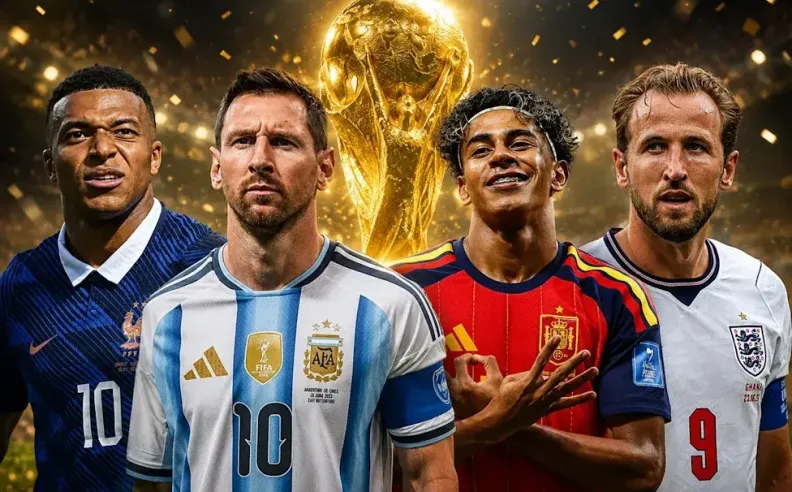
The trophy is lifted, the celebrations begin and, within days, the noise surrounding the World Cup starts to fade. For newer football fans, that can raise an amusing question: what exactly do the players do until the next tournament? Despite the four-year gap between World Cups, their schedules are anything but empty.
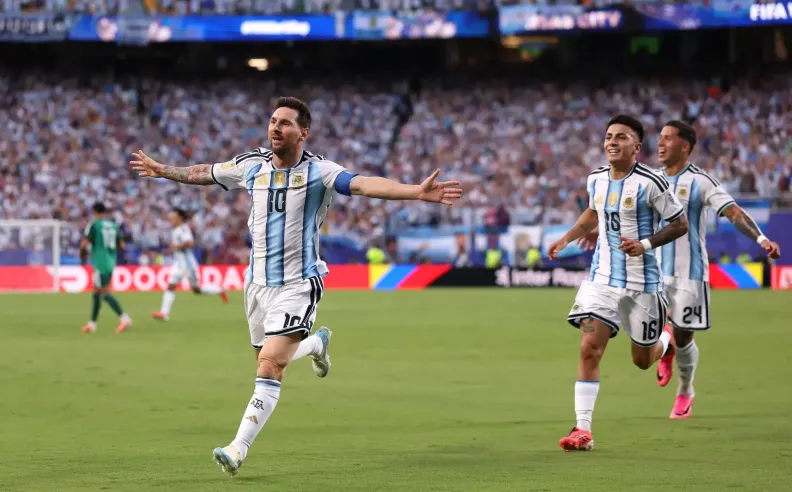
Forget a four-year holiday. After enjoying some recovery time, players return to the clubs that employ them throughout the regular football season.
Sending a Manchester City player back to Manchester City and a Real Madrid star back to Real Madrid, the end of international duty quickly brings back training sessions, league fixtures and domestic cup competitions. Adding even more matches, continental club tournaments such as the UEFA Champions League run every season rather than once every four years.
Making up only one part of a professional career, the World Cup is essentially a huge international assignment before players return to their usual routine. Of course, that “usual routine” can still mean playing in front of tens of thousands of fans every weekend.
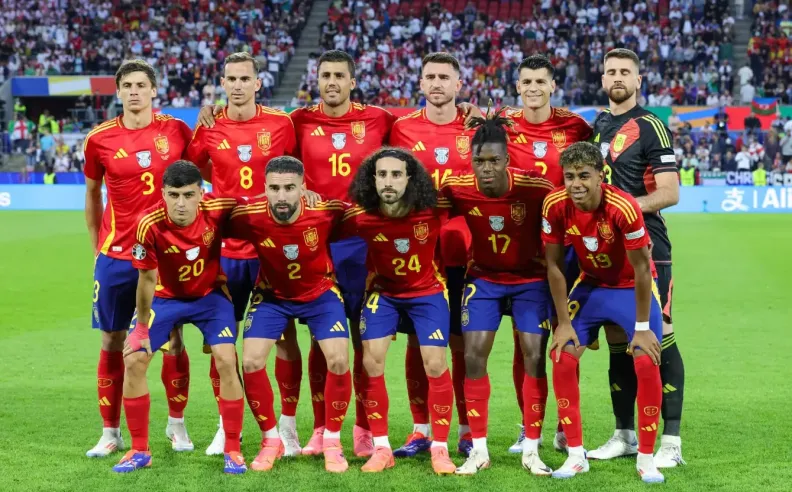
Keeping international football active between World Cups, national teams regularly reunite during designated international windows. Calling players away from their clubs, these periods can include friendly matches, competitive fixtures, continental tournaments and qualification campaigns.
Switching shirts therefore happens regularly. A player can represent his club one week, join his national team shortly afterwards and then return to club football once the international break ends.
Reaching the next World Cup also requires work. With qualification never automatically guaranteed for most teams, players can spend a significant part of those four years competing simply to earn another place on football’s biggest stage.
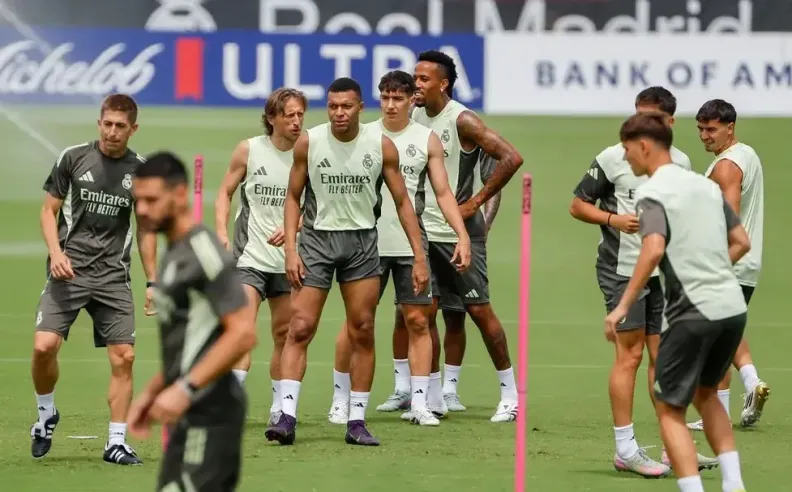
Technically, players continue training, but not exclusively for the next World Cup. Filling those years are entire club seasons featuring title races, cup finals, continental competitions and international fixtures.
Changing the picture along the way can be injuries, transfers, new managers and moves to entirely different leagues or countries. Adding World Cup qualifiers and national-team tournaments makes the calendar even more demanding.
Turning the original question around therefore makes more sense. Instead of wondering what footballers do for four years after the World Cup, perhaps the better question is: when do they actually get time off?

Started my career in Automotive Journalism in 2015. Even though I'm a pharmacist, hanging around cars all the time has created a passion for the automotive industry since day 1.




 SHARE
SHARE