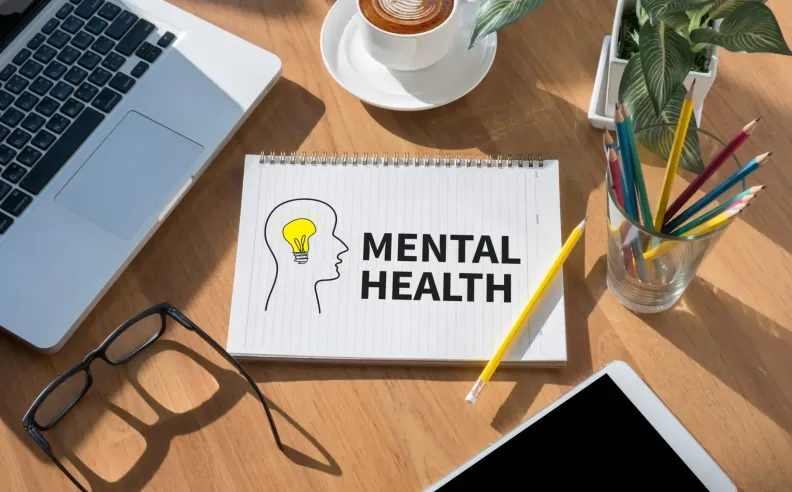
As World Mental Health Day arrives on October 10, attention is shifting toward the real experiences behind workplace wellbeing. For modern employees, mental health support is becoming less about corporate wellness initiatives and more about psychological safety, flexibility and feeling genuinely supported at work.

Bringing real experiences into the conversation highlights the difference between promoting wellbeing and creating a workplace where employees actually feel supported. This gap has helped bring attention to “Wellbeing Washing,” where companies promote wellness initiatives without those promises being fully reflected in everyday working life.
Making psychological safety part of workplace culture therefore requires more than policies and occasional wellness activities. It also involves giving employees space to discuss pressure, ask for support and communicate concerns without feeling uncomfortable doing so.

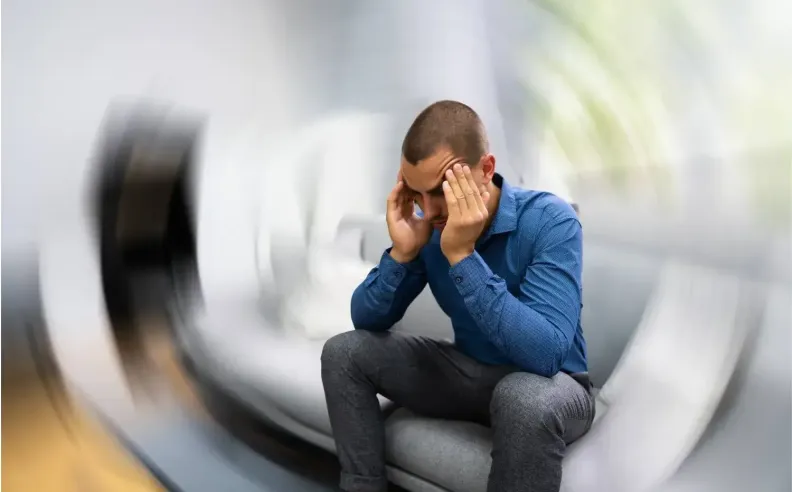
Unlike Quiet Quitting, which became associated with limiting work to core responsibilities, Quiet Cracking describes employees who continue performing normally while silently struggling with stress and exhaustion.
Making this form of burnout particularly difficult to notice, employees may continue attending meetings, completing tasks and meeting expectations despite feeling overwhelmed. Recognizing it therefore places greater importance on communication, team management and consistent support rather than relying only on visible signs of burnout.

Seeking greater flexibility and psychological safety, younger employees increasingly value workplaces where conversations about pressure feel genuine rather than performative. This shift places communication, supportive management and flexibility alongside traditional workplace benefits.
Adding another layer of pressure, social media constantly exposes users to content about productivity, fitness, self-improvement and seemingly perfect routines. This can contribute to Digital Burnout, where even wellness-focused content creates pressure to become healthier, more productive and better organized, turning the pursuit of wellbeing into another source of stress.

Started my career in Automotive Journalism in 2015. Even though I'm a pharmacist, hanging around cars all the time has created a passion for the automotive industry since day 1.




 SHARE
SHARE