What keeps the body performing well in the 20s may not be enough decades later. As men move through different stages of life, priorities gradually shift across muscle strength, bone health, metabolism, skin and cognitive function. Building the right habits early and adapting them over time can support a stronger, healthier lifestyle for longer.

Building healthy habits becomes the priority in the 20s, with adequate sleep, a varied whole-food diet and regular strength training supporting gut health, bone density and overall wellbeing. Protecting the skin also starts with simple essentials such as sun protection, hydration and consistent skincare rather than immediately turning to age-focused treatments.
Bringing the 30s often introduces gradual changes alongside growing work and lifestyle pressures that can influence recovery, metabolism and hormonal health. Prioritizing protein, fiber and healthy fats while managing stress and monitoring cardiovascular health can help maintain energy, weight and overall performance.

Making the 40s a more noticeable transition are changes in metabolism, skin elasticity and potentially hormonal and inflammatory processes. Preserving muscle mass therefore becomes important not simply for maintaining an athletic appearance, but also for supporting long-term physical health.
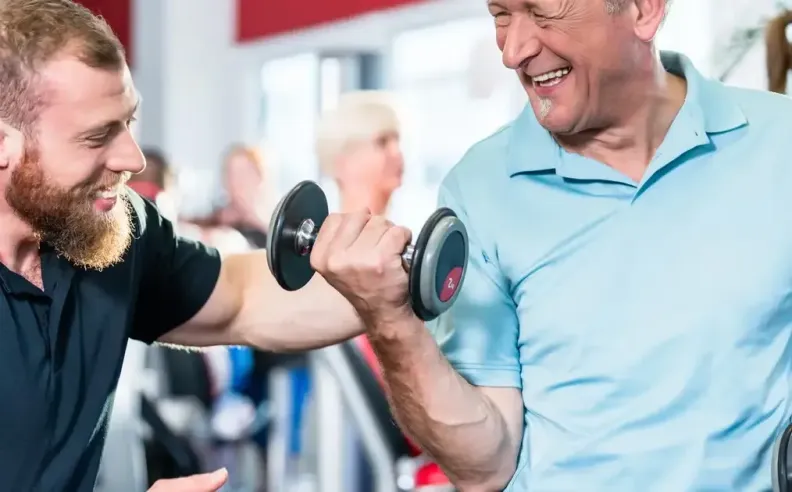
Supporting muscle and bone density are regular strength training, sufficient protein and essential minerals. Paying attention to persistent fatigue, chronic bloating, digestive symptoms or reduced immunity also becomes important, as these signs should not automatically be dismissed as normal parts of aging.

Shifting the focus in the 50s and beyond are strength, mobility, bone health and cognitive function. Maintaining muscle supports everyday movement and independence, while balance and stability exercises can help reduce the risk of falls.
Becoming increasingly relevant is gut health as nutrient absorption changes with age, while activities combining physical movement with mental engagement such as sports, dancing and martial arts can support an active mind. Ultimately, adapting healthy habits to each life stage offers a more practical approach than following one routine for decades.

Started my career in Automotive Journalism in 2015. Even though I'm a pharmacist, hanging around cars all the time has created a passion for the automotive industry since day 1.



 SHARE
SHARE