Explore the Nakasendo, a historic route winding through Japan’s central mountains, where centuries-old post towns, lush forests, and alpine landscapes offer a tranquil alternative to bustling cities. From the late-blooming cherry blossoms in spring to serene winter snows, travelers can immerse themselves in Japan’s natural beauty and cultural heritage at a relaxed pace. Along the way, discover living traditions like Nagiso woodturning, hike scenic trails through Shiga Highlands, and unwind in luxurious onsen retreats such as Tobira Onsen Myojinkan—an ideal journey for Middle Eastern travelers seeking authentic, photogenic, and unhurried experiences of Japan.
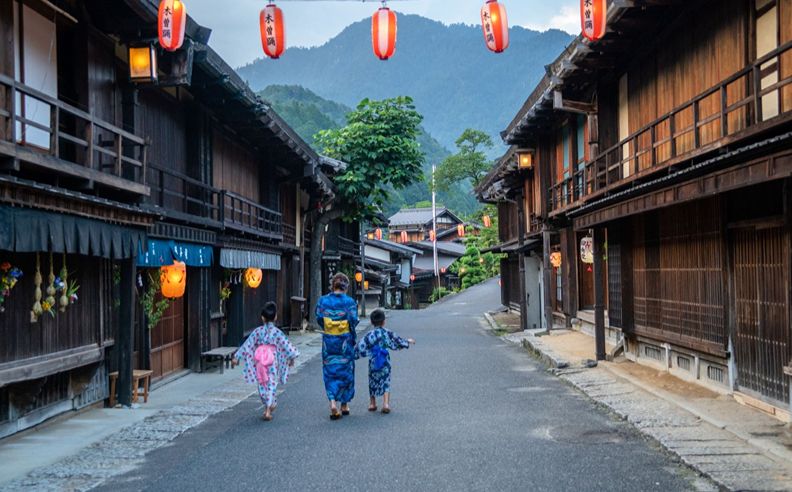
Stretching through the mountains of central Japan, the historic Nakasendo route once connected Kyoto and Edo (modern-day Tokyo), guiding travelers through post towns, forests, and alpine landscapes. Today, this region offers a slower, more immersive way to experience Japan—where history, craftsmanship, and nature remain deeply intertwined.
For travelers from the Middle East seeking a refined alternative to Japan’s major cities during spring, the Nakasendo presents a particularly appealing option. Thanks to its higher elevation and inland climate, cherry blossoms in the Nakasendo typically bloom two to three weeks later than in Tokyo or Kyoto, extending the sakura season into April and early May. Traditional streets lined with wooden townhouses, mountain paths, and riverside trails provide a highly photogenic setting for cherry blossom viewing, combining natural beauty with timeless architecture.
Whether walking between preserved post towns, discovering local crafts, or enjoying seasonal scenery at a relaxed pace, the Nakasendo invites visitors to experience Japan’s spring in a more tranquil and authentic way—far from the crowds, yet rich in atmosphere and cultural depth.
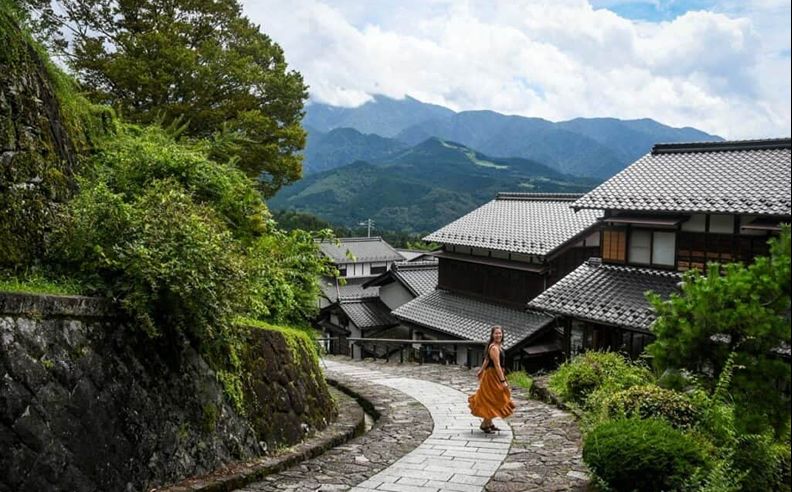
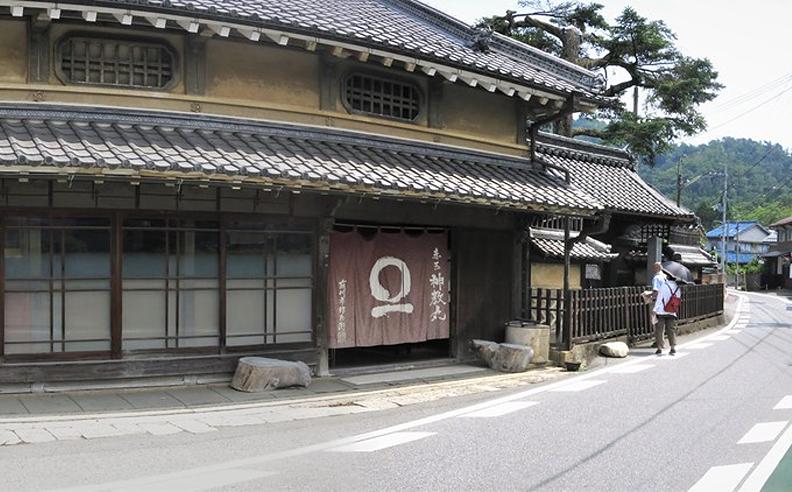
The heart of the Nakasendo lies in its beautifully preserved post towns, where travelers can experience Japan much as it was centuries ago. Nestled in the mountains of Nagano and Gifu prefectures, towns such as Narai-juku, Tsumago-juku, and Magome-juku offer a seamless journey through history, connected by scenic walking trails that follow the original route once used by samurai, merchants, and feudal lords.
In winter, these towns transform into quiet, atmospheric landscapes. Snow gently dusts the wooden townhouses, stone paths, and surrounding forests, creating a serene setting that feels far removed from modern Japan. The stillness of the season enhances the sense of stepping back in time, making winter walks along the Nakasendo both peaceful and visually striking.
As the seasons change, the Nakasendo reveals a very different charm in spring. Narai-juku, in particular, often sees cherry blossoms lasting into May, with delicate pink flowers framing its long, gently sloping main street of Edo-period buildings. This late bloom makes the area an appealing option for travelers who may arrive after peak cherry blossom season elsewhere.
Whether visited under falling snow or blooming cherry trees, the post towns of the Nakasendo offer a rare combination of seasonal beauty, cultural heritage, and photogenic scenery—perfect for travelers seeking an authentic and unhurried experience of Japan.
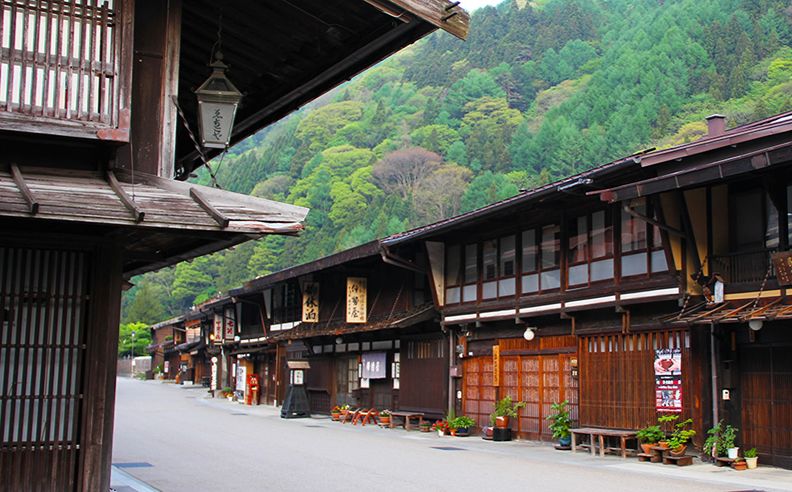
Along the historic Nakasendo route, the town of Nagiso is renowned for preserving one of Japan’s most refined traditional crafts: Nagiso woodturning (rokuro-zaiku). This centuries-old technique developed as a practical response to the region’s abundant forests, where skilled artisans transformed native woods into beautifully balanced everyday objects.
Nagiso woodturning is distinguished by its elegant simplicity. Bowls, trays, and tea utensils are shaped entirely by hand on a lathe, allowing the natural grain and warmth of the wood to take center stage. Rather than heavy decoration, the craft emphasizes harmony, functionality, and quiet beauty—values deeply rooted in Japanese aesthetics.
Visitors to Nagiso can observe master craftsmen at work and gain insight into the patience and precision required to produce each piece. Some workshops also offer hands-on experiences, allowing guests to try woodturning themselves under expert guidance. These encounters provide a meaningful connection to Japan’s artisan culture, where skills are passed down through generations and craftsmanship remains a way of life.
Set against the tranquil mountain backdrop of the Nakasendo, Nagiso woodturning offers travelers a chance to engage with Japan’s living traditions—an experience that goes beyond observation and into genuine cultural exchange.
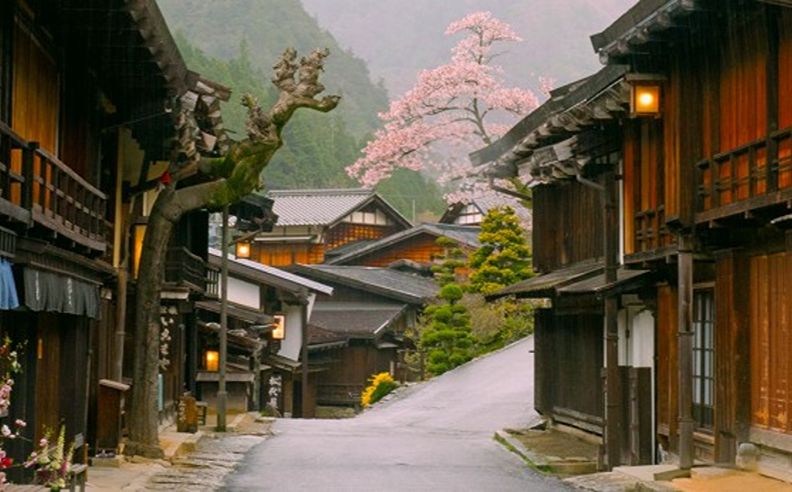
Rising high within the Joshin’etsu Kogen National Park, Shiga Highlands (Shiga Kogen) offers a spectacular winter landscape that goes far beyond traditional ski slopes. Known as one of Japan’s largest and most scenic highland areas, Shiga Highlands spans peaks and forests from about 1,300 m to over 2,000 m above sea level, with powder snow that attracts visitors not only for skiing but also for deeper nature exploration.
One of the most memorable ways to experience this snowy world is snowshoe trekking, led by knowledgeable local guides from the Shiga Kogen Nature Conservation Center. Snowshoe tours—available throughout winter and into early spring—let visitors step off the crowded ski runs and into pristine forests where silence and snow reign. Walking at your own pace through subalpine woods and snow-covered fields, you’ll discover landscapes that are usually inaccessible during other seasons.
Snowshoe tours are suitable for beginners and nature lovers, with guides providing snowshoes, poles, and insights into the local ecosystem. In addition to the peaceful forest paths, you may encounter frozen ponds, tracks of wildlife, and panoramic views that make winter unique.
Beyond snowshoeing, the Shiga Highlands region is a gateway to winter adventure—boasting multiple ski areas, scenic gondola rides, and warm onsen hot springs perfect for relaxing after a day outdoors. Whether seeking exhilarating outdoor activity or serene nature immersion, Shiga Highlands offers a truly multifaceted winter escape that can be enjoyed through April, in the heart of Japan.
Nestled in the tranquil mountains of Nagano Prefecture, Tobira Onsen Myojinkan offers a refined blend of modern comfort and traditional Japanese hospitality. Far from the bustle of urban centers, this elegant ryokan-style resort is surrounded by dense forests, quiet springs, and the soothing sounds of nature—creating a sanctuary where guests can truly unwind and reconnect with themselves.
At the heart of Tobira Onsen Myojinkan is its hot spring experience. The resort’s natural onsen waters rise from deep underground and are known for their smooth texture and therapeutic warmth, ideal for relaxation after exploring the historic Nakasendo region. Guests can enjoy both private onsen rooms and beautifully designed bath facilities that harmonize with the surrounding landscape, offering a deeply restorative experience rooted in Japan’s long-standing bathing culture.
Accommodation at Tobira Onsen Myojinkan is equally thoughtful. Spacious suites and guest rooms feature calming views of the surrounding woodlands, soft natural materials, and elegant minimalist design. Many room types include private onsen baths or terrace spaces, allowing guests to enjoy the fresh mountain air in complete privacy.
Dining is another highlight of the stay, with two distinctive culinary experiences available. Nature French SAI presents refined dishes inspired by European techniques and crafted with seasonal ingredients from Nagano. In contrast, Shinshu-Dining TOBIRA offers Japanese cuisine that celebrates local traditions and flavors, with carefully prepared dishes that reflect the region’s culinary heritage. Together, these dining options provide guests with a well-balanced gastronomic journey in a serene mountain setting.
Whether as a peaceful winter retreat after exploring the historic post towns of the Nakasendo or a restorative escape in quieter seasons, Tobira Onsen Myojinkan delivers a harmonious blend of nature, cuisine, and heartfelt hospitality—an ideal choice for GCC travelers seeking tranquility and authenticity in Japan.
M283 Arabia covers all aspects of men's lifestyle; fashion, sports, self-care, and travel tips and destinations.



 SHARE
SHARE