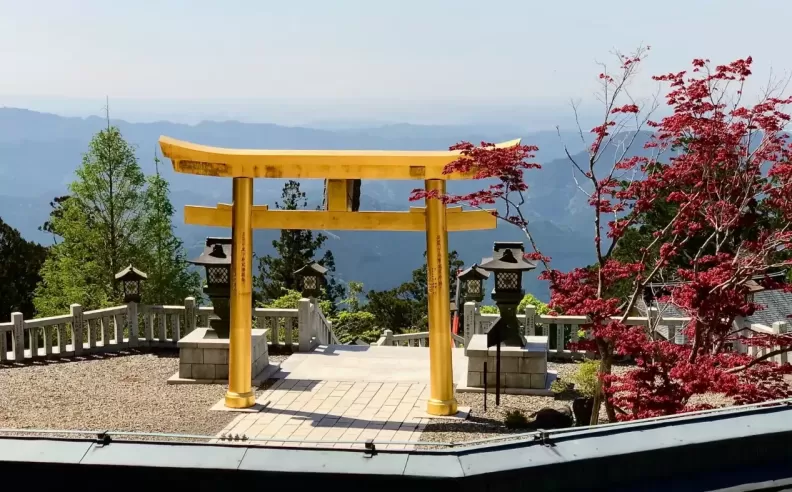
When Gulf travelers consider Japan, they often focus on Tokyo or Kyoto. Yet Tokai offers a quieter, deeper experience rooted in authenticity and craftsmanship. The region blends green landscapes, coastal heritage, and traditional artistry into a journey that feels personal rather than crowded. Here, travel becomes more than sightseeing. It becomes direct engagement with culture shaped by land, history, and disciplined creativity.
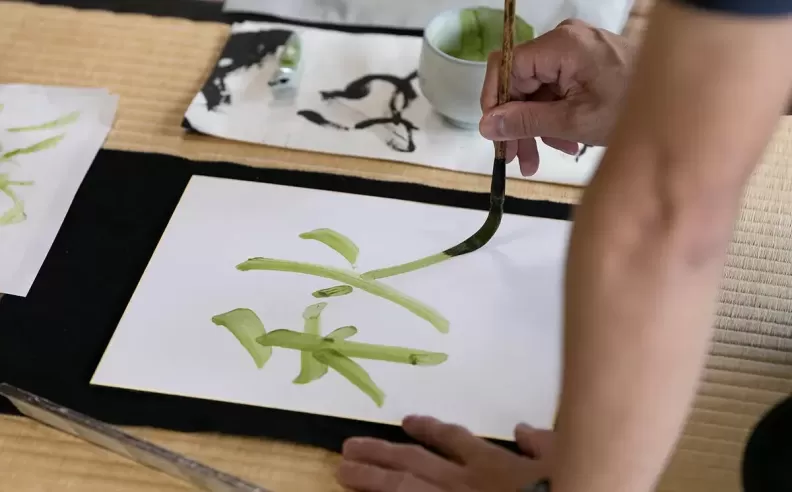
In the Asahina area of Shizuoka Prefecture, visitors immerse themselves in a cultural program that combines flavor, artistry, and mindfulness. The region stands as one of Japan’s leading producers of Gyokuro, a premium green tea grown under shade to enhance its sweetness and depth of aroma.
Participants begin with MatchaSho®, a unique calligraphy style that uses matcha tea instead of traditional ink. Guided by a professional calligrapher, they learn brush techniques, posture, and the disciplined movements behind Japanese writing. The atmosphere encourages focus and patience, allowing each stroke to reflect intention and balance.
After the artistic session, guests enjoy a tasting of Gyokuro in a quiet setting that completes the ritual. The experience transforms tea from a simple beverage into a sensory ceremony. It offers a moment of stillness that resonates strongly with travelers seeking clarity away from fast paced urban life.
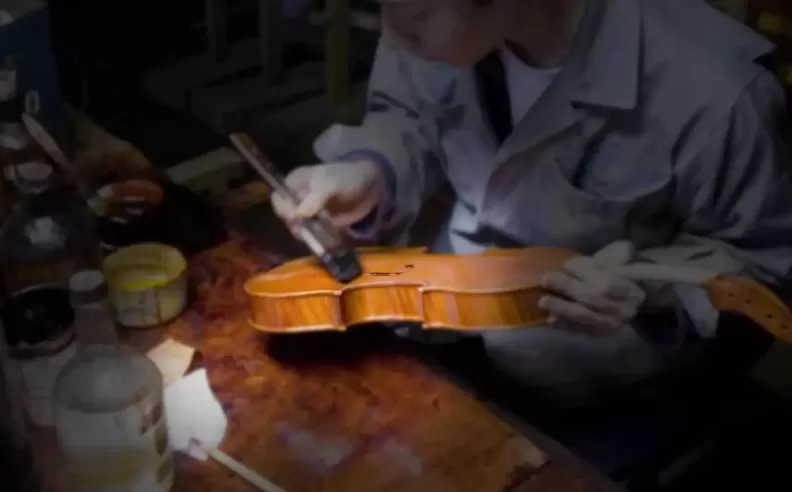
In Obu City within Aichi Prefecture, Suzuki Violin Co. opens its doors to showcase generations of musical craftsmanship. Founded in 1887, the company earned recognition for blending traditional methods with meticulous quality standards.
During a guided tour, visitors observe artisans shaping wood into finely tuned instruments. Each adjustment affects the final sound, demonstrating how discipline and patience define the craft. The workshop highlights Japan’s commitment to detail, where precision becomes both a technical and artistic pursuit.
The experience also carries historical significance. The company once gained international awards and reportedly produced up to 100,000 violins annually during its peak years. A handwritten letter from Albert Einstein displayed on site adds cultural depth to the visit. Guests can even participate by applying varnish to a small bridge component, later transformed into a keepsake strap. The activity combines education with tangible memory.
Along the shores of Shima in Mie Prefecture, the story of Japanese cultured pearls began. The region links closely to Kokichi Mikimoto, who successfully cultivated pearls in 1893 and established Japan as a global leader in the industry.
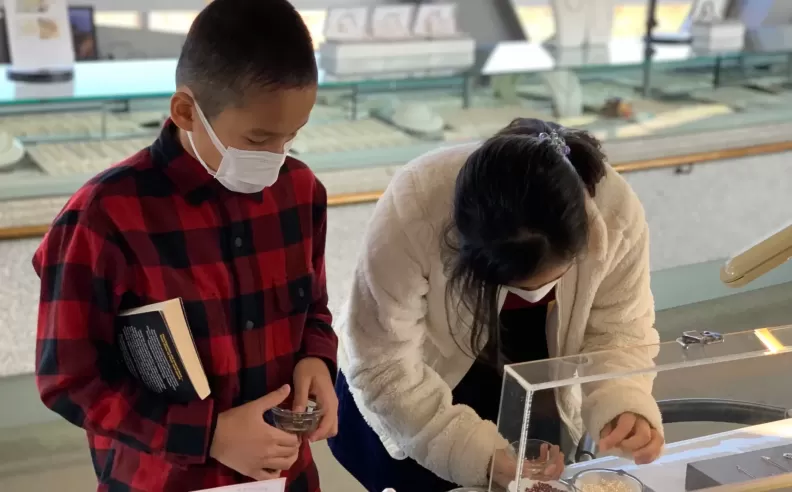
Visitors explore the farming process firsthand, learning how artisans care for oysters and patiently guide the long journey from seed to polished gem. The demonstration reveals how time, environment, and expertise converge to produce a single pearl.
Each pair of participants extracts pearls from a net containing 32 oysters, then selects favorites to craft a personal accessory. The final piece becomes more than jewelry. It carries the memory of the coastal landscape and the craftsmanship behind it.
By combining tea rituals, instrument making, and pearl cultivation, Tokai delivers an experience suited to travelers who value substance over spectacle. The region invites men seeking depth, tradition, and quiet refinement to discover a different side of Japan shaped by culture and character.

Started my career in Automotive Journalism in 2015. Even though I'm a pharmacist, hanging around cars all the time has created a passion for the automotive industry since day 1.



 SHARE
SHARE