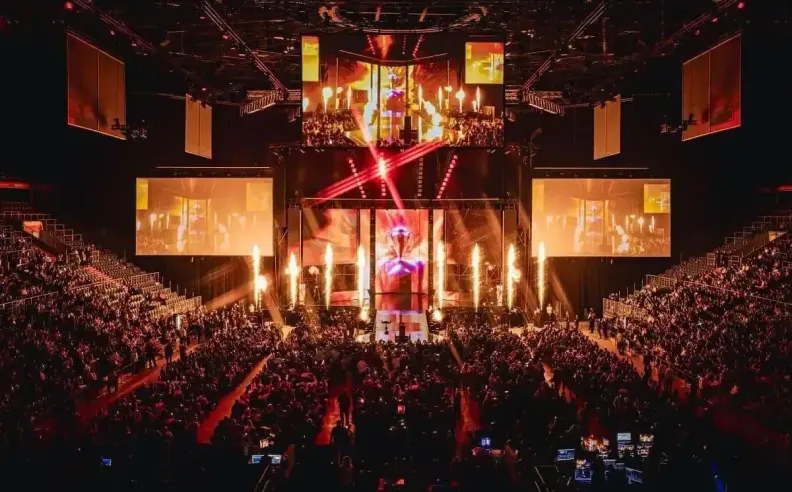
Esports has evolved far beyond casual gaming, becoming a global industry that attracts millions of fans, hosts professional tournaments, and offers substantial prize pools. As more countries recognize esports as an official sport, discussions continue over whether it should be governed under the same legal and regulatory framework as traditional sports. The unique nature of competitive gaming has made this transition more complex than many expected.
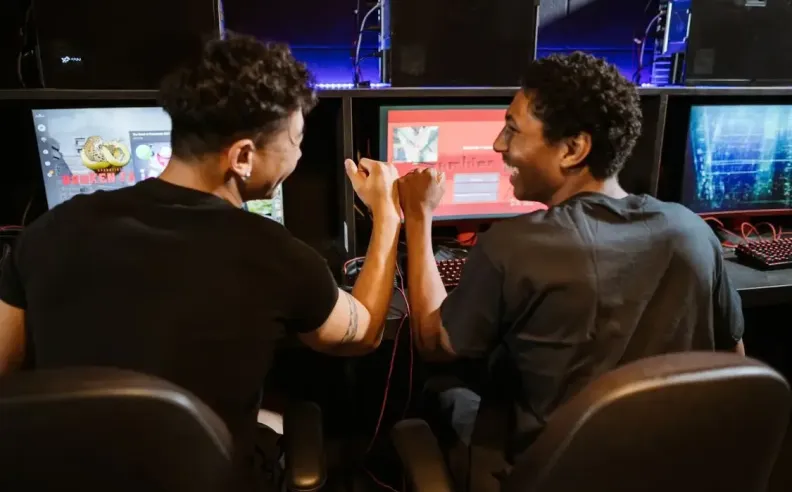
Recognizing esports as an official sport helps strengthen its credibility, supports professional players, and encourages the development of organized competitions. However, this recognition also introduces legal and regulatory challenges that do not exist in traditional sports. Unlike football or basketball, esports titles are owned by private game publishers that control game rules, updates, and tournament structures. As a result, applying conventional sports regulations becomes difficult, since the competitive environment can change whenever developers release new content or gameplay updates.
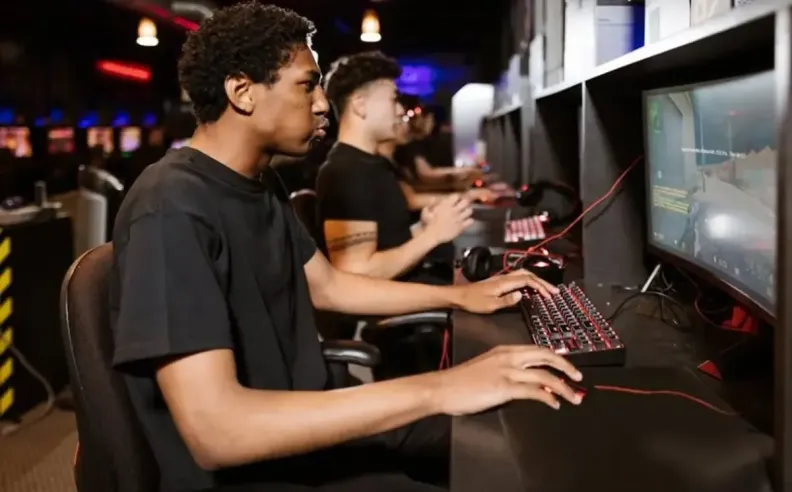
Setting clear regulations for esports is more challenging because every competitive title operates as a commercial product protected by intellectual property rights. Tournament organizers and governing bodies cannot modify official rules without the approval of the game's publisher. In addition, regular game updates may significantly alter gameplay and competitive balance within a short period. Online competitions held across multiple countries also create additional concerns related to licensing, competitive integrity, player eligibility, and event oversight, making esports governance far more complex than that of traditional sports.
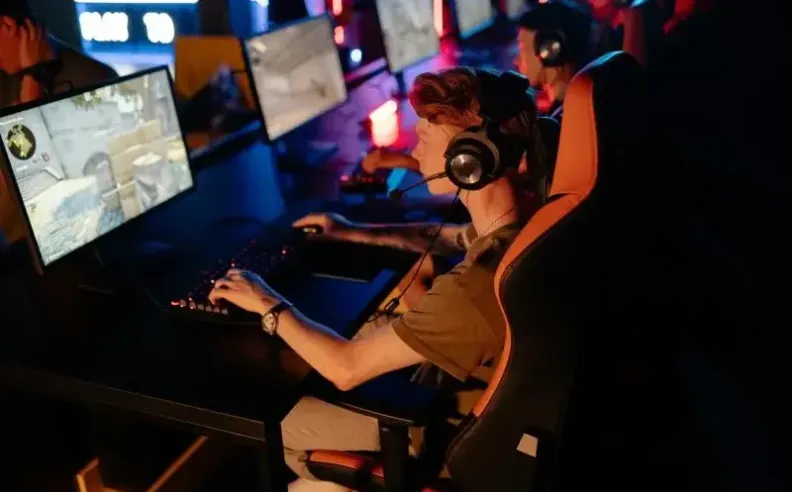
Industry experts expect esports to continue expanding as investments increase and governments show greater interest in supporting the sector. Official recognition could simplify tournament organization, improve international participation, and provide stronger support for professional players. At the same time, long-term success will depend on creating flexible regulations that respect the commercial rights of game publishers while providing fair governance for competitions. Achieving this balance is likely to shape the future of esports and determine how the industry continues to grow on a global scale.

Started my career in Automotive Journalism in 2015. Even though I'm a pharmacist, hanging around cars all the time has created a passion for the automotive industry since day 1.





 SHARE
SHARE