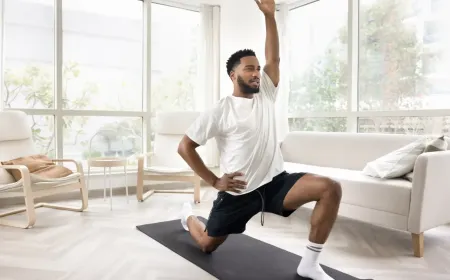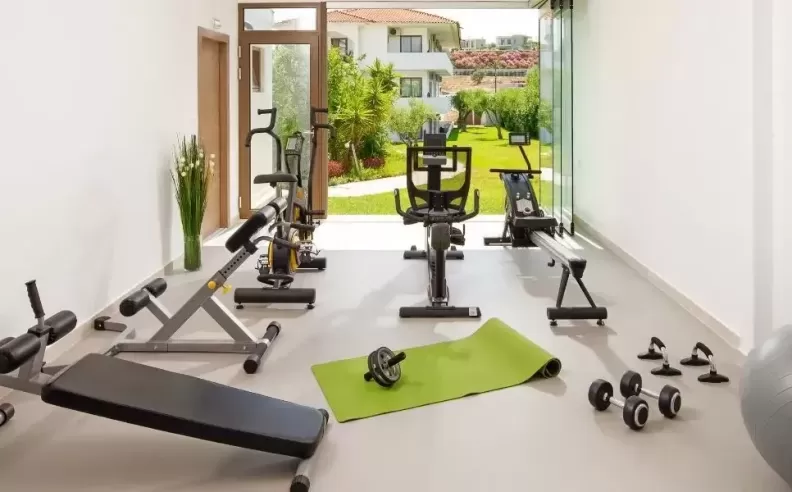
Home gyms are no longer designed as isolated rooms where one person trains alone. Today, they are becoming shared lifestyle spaces that balance strength, movement, and family time. The focus has shifted from copying commercial gyms to creating smart environments that support daily fitness while fitting naturally into family life.

Previously, home gyms were built around individual goals, heavy weights, and privacy. Over time, lifestyle changes and limited schedules pushed many men to rethink this approach. Training now serves a broader purpose, setting an example and encouraging movement within the household. Designing a gym as an open and welcoming space allows family members to be present together, even when each person follows a different routine. This shared presence strengthens consistency and turns exercise into a visible, everyday habit rather than a separate obligation.
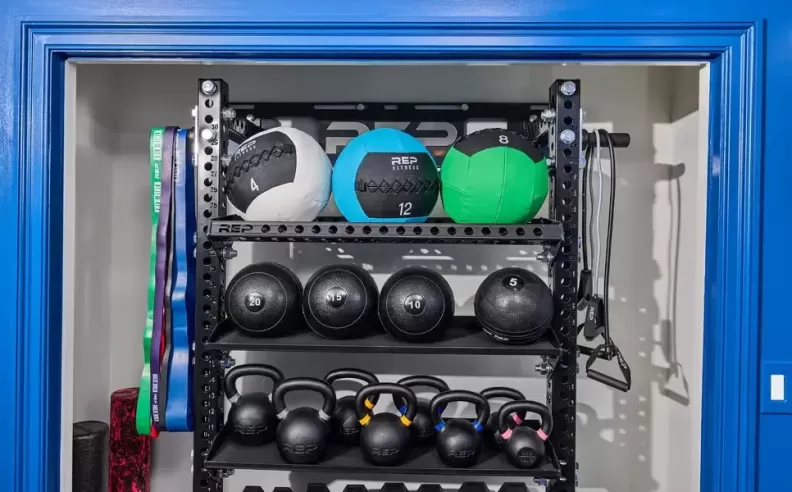
Choosing fewer but versatile machines defines the modern home gym. Multi-functional setups that support pushing, pulling, squatting, and core work replace rows of single-purpose equipment. This approach allows men to maintain serious strength training while offering safer, adjustable resistance for younger users. Smooth motion, stability, and easy load changes create a controlled environment where beginners can learn fundamentals without pressure. Visual guidance or built-in programs further support confidence and safety across different age groups.
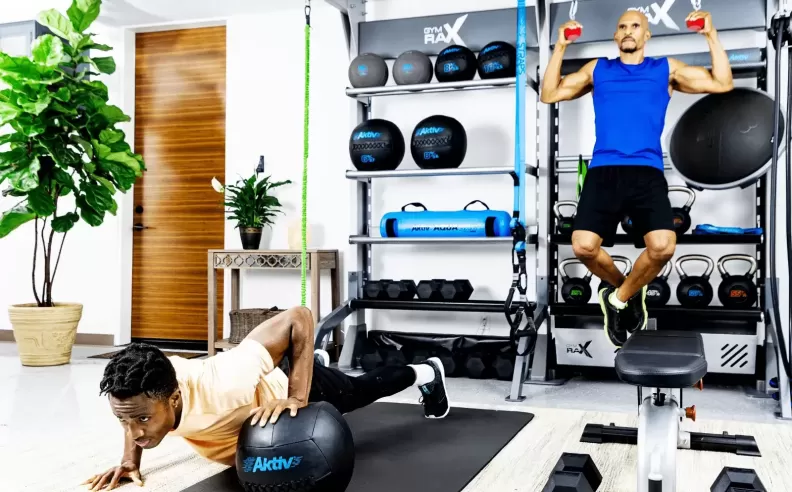
Creating the right atmosphere influences how often the space is used. Lighting, color choices, and clean layouts help make movement feel inviting rather than forced. When the room feels energetic, motivation follows naturally. Music also adds flexibility, allowing sessions to shift between focused solo workouts and lighter group activity. On some days, the gym supports individual training; on others, it becomes a space for shared movement. This adaptability keeps the gym active and relevant instead of unused.
A successful home gym supports physical strength without separating it from family routines. Designing the space around balance, accessibility, and shared presence allows fitness to enhance daily life rather than compete with it. The result is a setup that preserves personal discipline and physical progress while encouraging healthier habits across the household, creating strength that extends beyond training sessions.

Started my career in Automotive Journalism in 2015. Even though I'm a pharmacist, hanging around cars all the time has created a passion for the automotive industry since day 1.




 SHARE
SHARE