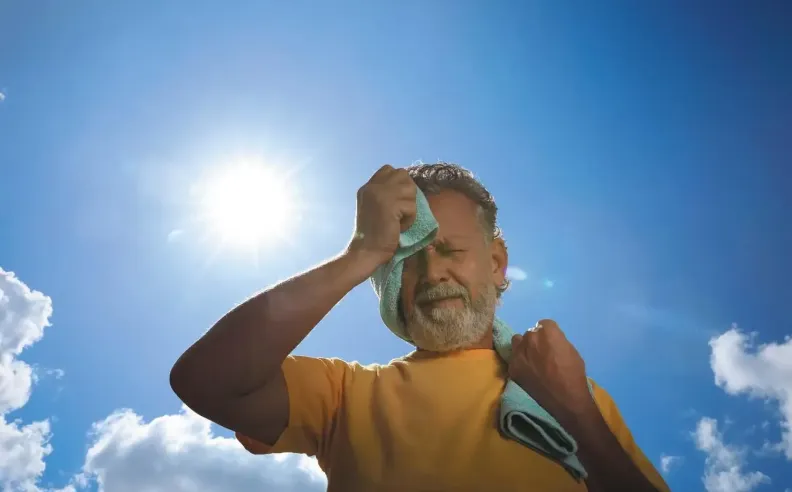
As temperatures continue to climb during the summer, staying safe outdoors requires more than just seeking shade. Whether working outside, traveling, or enjoying weekend activities, recognizing the early signs of heat-related illness and following simple preventive habits can make all the difference in avoiding serious health risks.

Show the first signs of heat stress through symptoms such as heavy sweating, dizziness, headache, unusual fatigue, nausea, and intense thirst. Responding quickly by stopping physical activity, moving to a cool place, drinking water, and cooling the body with a wet towel or cold compresses can help restore a safe body temperature before the condition becomes more serious.
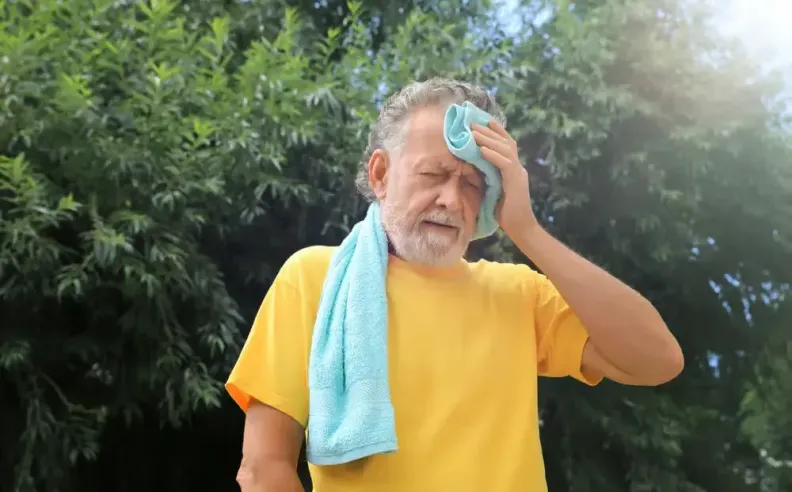
Become a medical emergency when the body can no longer regulate its temperature. High body temperature, confusion, loss of consciousness, or seizures are warning signs that require immediate medical attention. While waiting for emergency services, moving the person to a shaded or air-conditioned area and cooling the body with cold water or ice packs may help reduce the risk of severe complications.

Reduce the risk by drinking water regularly even before feeling thirsty, wearing lightweight light-colored clothing, avoiding direct sun during peak afternoon hours, and limiting strenuous outdoor activities in extreme heat. Spending time in well-ventilated or air-conditioned spaces and paying extra attention to older adults, children, and people with chronic health conditions also helps make summer activities safer and more enjoyable.

Started my career in Automotive Journalism in 2015. Even though I'm a pharmacist, hanging around cars all the time has created a passion for the automotive industry since day 1.





 SHARE
SHARE