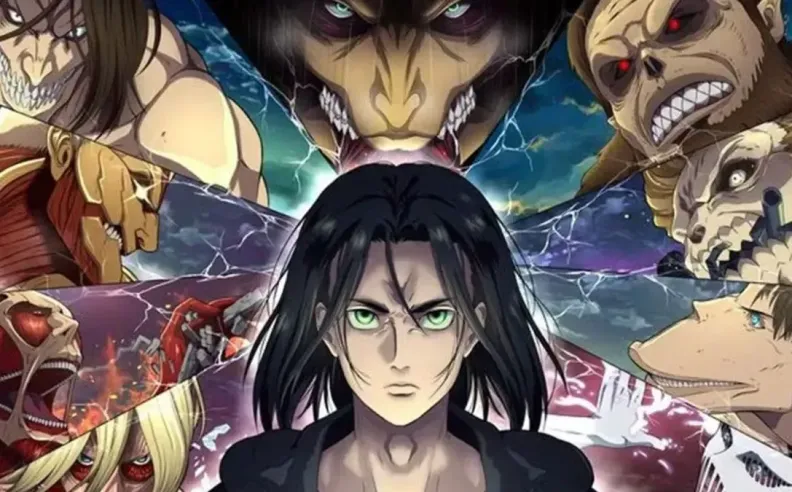
For years, shonen anime followed a familiar formula built around powerful heroes, intense battles, and predictable victories. Then Attack on Titan arrived and completely changed the atmosphere surrounding the genre. Instead of relying only on action and traditional heroism, the series introduced a darker world filled with fear, political tension, psychological pressure, and emotional conflict. Because of that, the anime quickly evolved from a successful action series into a global phenomenon that reshaped how audiences viewed modern shonen storytelling.
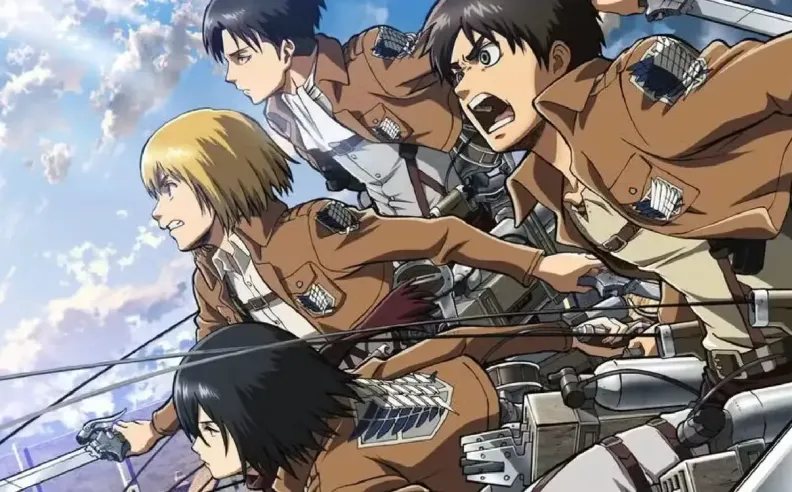
From the very beginning, the anime created a constant sense of danger that rarely existed in older shonen series. Rather than protecting its main characters through predictable plot armor, the story pushed everyone into a terrifying world where survival never felt guaranteed.
At the same time, the series avoided presenting a simple battle between good and evil. Instead, it slowly revealed that every side inside the conflict carried its own fears, motives, and emotional scars. As the story developed, the anime transformed from a battle against Titans into a much deeper conflict involving freedom, revenge, fear, control, and the darker side of human nature.
Because of that unpredictable storytelling style, viewers stayed emotionally invested throughout every season. Each new revelation completely changed how audiences understood the world and the characters living inside it.
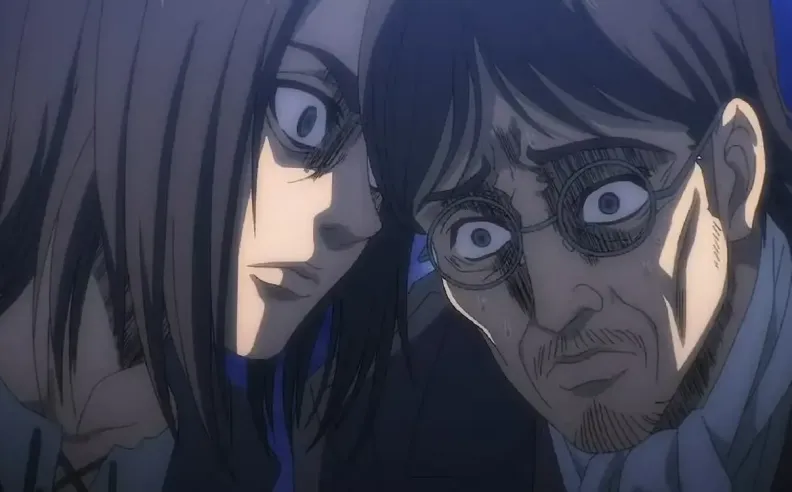
Moving away from the perfect hero archetype, the anime introduced characters filled with anger, fear, weakness, doubt, and emotional instability. Even the most admired characters constantly made painful decisions that forced viewers to question their actions and morality.
The story also focused heavily on the psychological damage caused by war and loss. As the seasons progressed, characters changed dramatically because of trauma, grief, and survival pressure. Some became colder and more violent, while others struggled with emotional collapse, guilt, or obsession with revenge.
That emotional complexity helped audiences connect deeply with the cast because the characters no longer felt like untouchable anime heroes. Instead, they felt like ordinary people trying to survive inside a brutal and chaotic world.
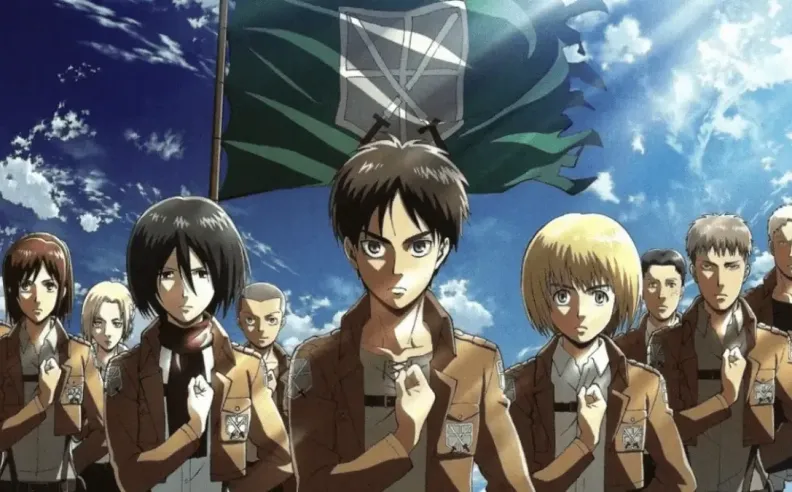
After the massive global success of the series, many newer anime projects started moving toward darker storytelling and more psychologically complex narratives instead of relying only on traditional action scenes and power progression.
At the same time, Attack on Titan raised audience expectations regarding animation quality, soundtrack design, cinematography, and storytelling scale. Many fans began comparing it to a cinematic experience rather than a regular television anime because of its massive visual moments and emotionally intense atmosphere.
Its influence also expanded far beyond anime itself. The series became a worldwide cultural phenomenon through games, fashion, music, online discussions, and fan communities across social media platforms.
Even after its conclusion, Attack on Titan continues shaping modern anime trends by inspiring creators to develop stories that blend large-scale action with psychological drama, moral conflict, and emotionally heavier themes aimed at older audiences and viewers searching for more mature storytelling experiences.

Started my career in Automotive Journalism in 2015. Even though I'm a pharmacist, hanging around cars all the time has created a passion for the automotive industry since day 1.



 SHARE
SHARE