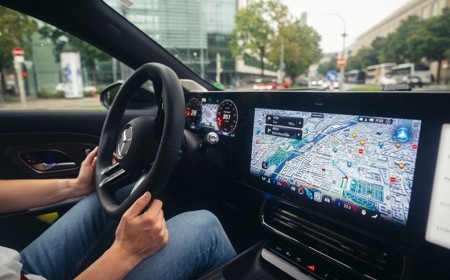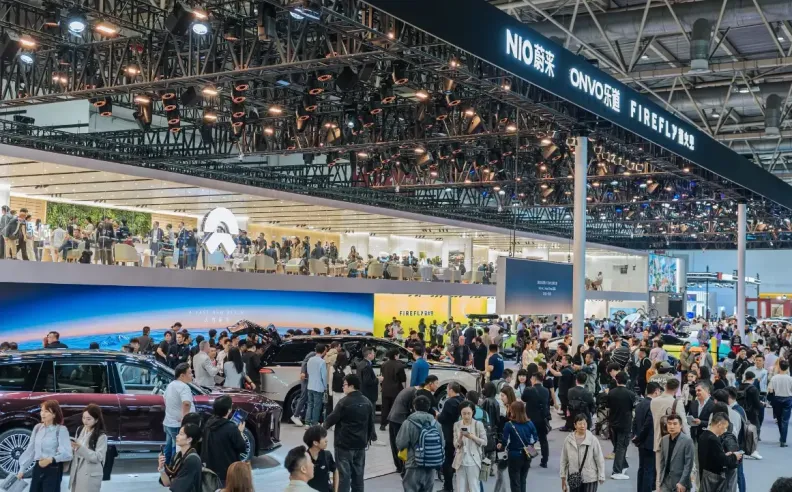
The 2026 Beijing Auto Show delivered a powerful message to the global automotive industry. It was not just about new cars, but about a shift in priorities, technology, and market power. Chinese automakers stepped onto a larger stage with confidence, showcasing advanced vehicles, strong design identity, and cutting edge technology. At the same time, the event revealed deeper industry changes, from the growing importance of hardware to the rapid spread of intelligent systems into more affordable cars. The result is a clear signal that the global automotive landscape is entering a new phase led by China.
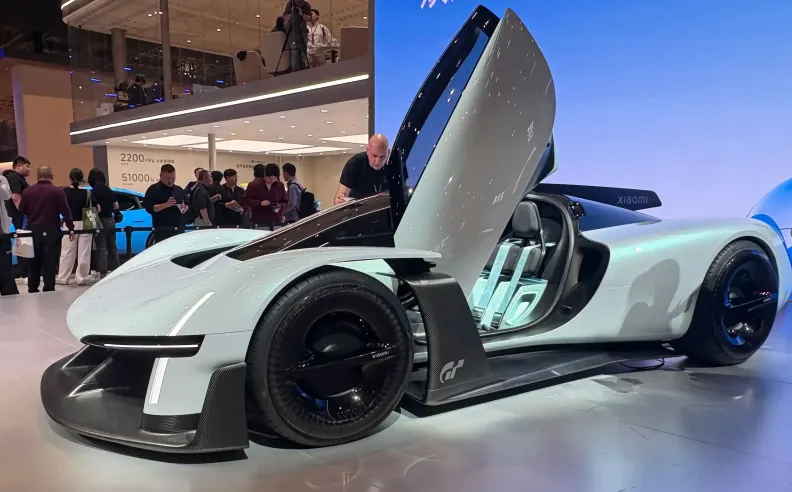
For years, the industry focused heavily on software defined vehicles, promising a future driven by digital platforms and over the air updates. However, the Beijing Auto Show highlighted a different reality. Manufacturers emphasized that without powerful hardware foundations, software alone cannot deliver the expected performance or user experience.
Automakers showcased improvements in batteries, high voltage systems, and advanced chassis technologies, proving that hardware remains the backbone of innovation. This shift shows that the future is not just about smarter software, but about combining it with strong engineering fundamentals that can support performance, safety, and long term reliability.
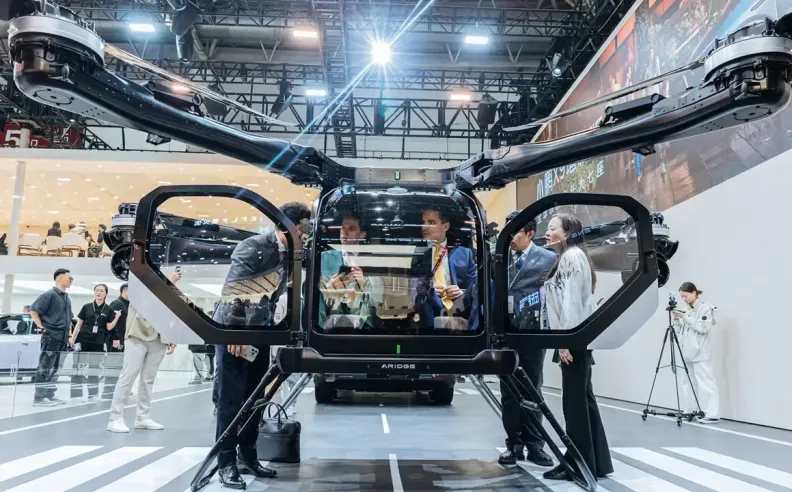
Chinese car brands demonstrated a clear transition from affordable mass market vehicles to high end premium offerings. Models such as BYD Seal, Zeekr 9X, and NIO ES9 showed how local manufacturers are now competing directly with established luxury brands. These vehicles combine bold design, strong performance, and advanced features that were once exclusive to premium segments.
At the same time, China remains the largest automotive market in the world, giving local brands a strong foundation for growth. However, intense competition and overcapacity in the domestic market have triggered aggressive price wars, pushing manufacturers to expand globally and target new regions.
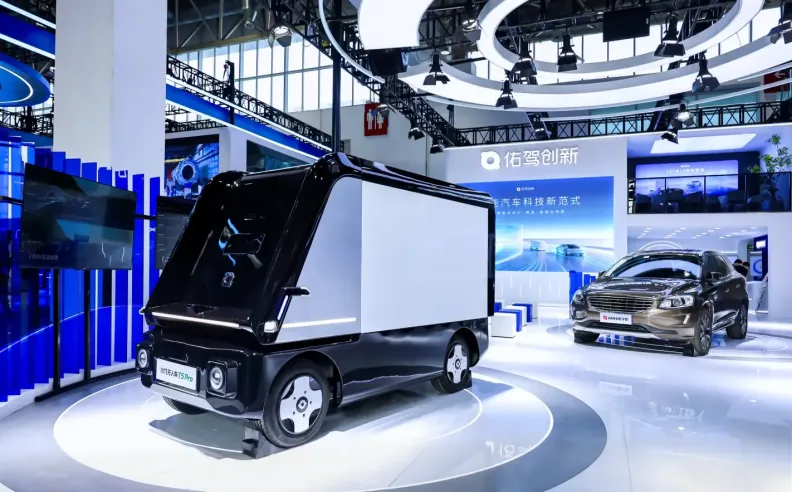
One of the biggest trends at the show was the democratization of technology. Features that were once limited to luxury vehicles are now appearing in smaller and more affordable models. Advanced driver assistance systems, intelligent interfaces, and connected features are becoming standard across a wider range of vehicles.
Industry experts highlighted that the focus is no longer on having access to technology, but on how effectively it is integrated into the driving experience. This shift is transforming competition, as brands must now deliver seamless and user friendly systems rather than simply adding more features.
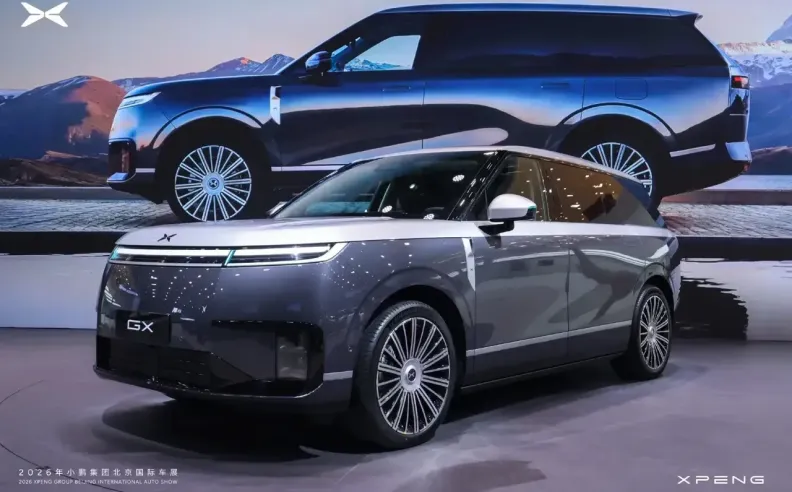
The impact of the Beijing Auto Show extends far beyond China. Many of the models presented are expected to enter European and global markets soon, increasing competition for established automakers. Reports suggest that Chinese manufacturers are rapidly expanding overseas production, with Europe and Latin America as key targets.
At the same time, the role of international brands in China is changing. Instead of leading innovation, many global automakers are now learning from Chinese development speed and adapting their strategies to stay competitive. This role reversal highlights China’s growing influence as both a market and an innovation hub.
The show also introduced a wave of flagship vehicles often referred to as Series 9 models. These large SUVs and luxury sedans represent the peak of technology, comfort, and performance within each brand’s lineup. With advanced features such as lidar systems, air suspension, and high voltage platforms becoming more common, the definition of luxury is shifting from brand prestige to technological excellence.
This evolution signals tougher competition ahead for traditional luxury brands. Chinese automakers are no longer just catching up. They are setting new benchmarks in design, technology, and value. As the industry moves forward, the Beijing Auto Show 2026 will likely be remembered as a turning point where the balance of power began to shift on a global scale.

Started my career in Automotive Journalism in 2015. Even though I'm a pharmacist, hanging around cars all the time has created a passion for the automotive industry since day 1.


 SHARE
SHARE