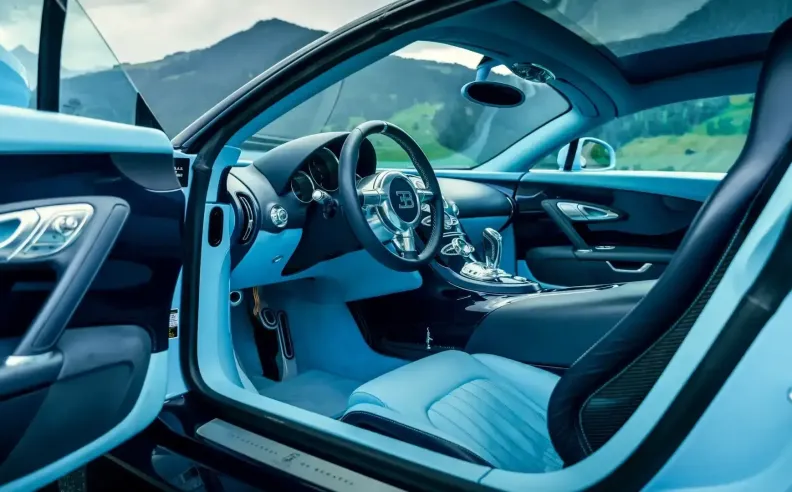
Modern car interiors are becoming increasingly digital, with large displays replacing many of the physical switches and controls drivers once used every day. But Mate Rimac, CEO of Bugatti Rimac, believes the industry may be confusing technology with genuine luxury.
His view challenges the idea that adding more screens automatically creates a more premium experience. Instead, Rimac argues that luxury brands should focus on engineering, craftsmanship, materials and physical elements that can remain special long after digital technology becomes outdated.
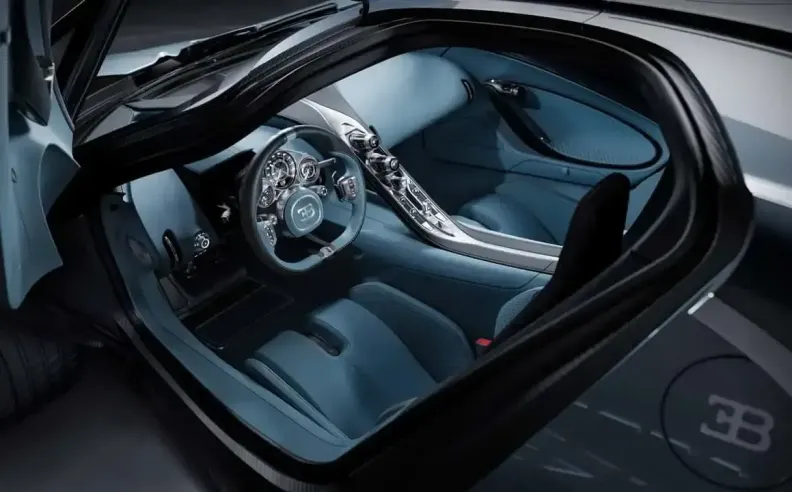
Large displays were once associated with expensive and technologically advanced vehicles, but they are now found across almost every segment of the market.
A 12 inch screen can appear in an affordable family vehicle just as easily as it can appear inside an exotic luxury car. As display technology becomes cheaper and more widely available, screen size alone provides little sense of exclusivity.
Rimac compares this situation with Swiss watchmaking. Premium mechanical watches do not compete by offering the cheapest or most widely available technology. Their value comes from mechanical precision, exceptional materials and craftsmanship that owners can appreciate for decades.
Digital displays follow a different cycle. A screen that looks advanced today can appear outdated only a few years later.
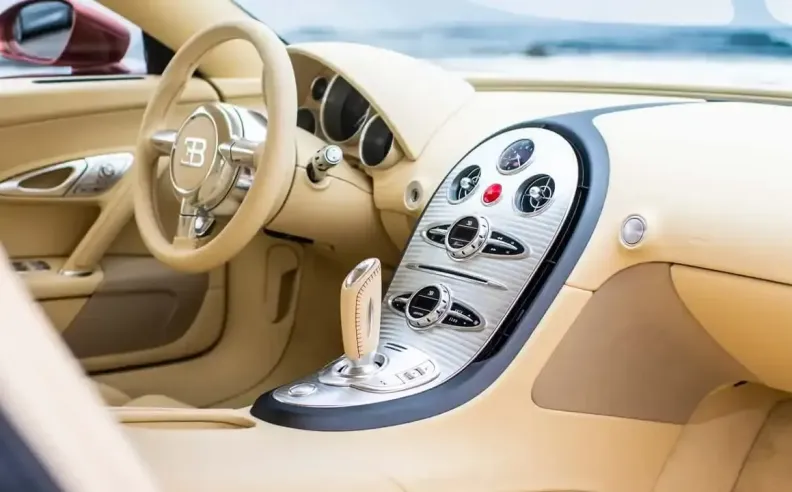
The philosophy works particularly well for brands such as Bugatti, Rolls Royce and Bentley, where customers expect exceptional materials and detailed craftsmanship.
Hand finished metal, premium leather, natural wood and specially engineered controls can help distinguish an expensive vehicle from mainstream alternatives.
Applying the same approach to mass market manufacturers is far more difficult.
Companies producing millions of vehicles must control costs while delivering practical technology that customers expect. Screens can combine navigation, climate functions, entertainment and vehicle settings into one component, reducing the need for numerous individual switches and control modules.
For high volume manufacturers, digital interfaces can therefore make economic and manufacturing sense even if they do not create the same emotional experience as handcrafted components.
Screens are unlikely to disappear from modern cars. Navigation, connectivity, vehicle settings and entertainment increasingly depend on digital interfaces.
The bigger question is how luxury manufacturers use them. Rimac suggests that premium brands should avoid making screens the main definition of luxury. Instead, digital technology can support an interior where craftsmanship, engineering and physical interaction remain central to the experience.
For brands such as Bugatti, this philosophy could become increasingly important as technology becomes more accessible across the entire automotive market. When almost every vehicle can offer a large display and advanced software, the details that are difficult to mass produce may once again become the strongest symbols of true automotive luxury.
European manufacturers are also facing increasingly strong competition from Chinese automakers.
The advantage of Chinese brands is no longer limited to large displays, advanced software or rapid charging technology. Many are now combining these features with increasingly impressive materials, cabin quality and competitive pricing.
That creates a difficult challenge for established European manufacturers. Competing purely on the number of screens or software features may not provide enough differentiation when rival brands can deliver similar technology at lower prices.
Rimac believes European manufacturers need to identify qualities that are more difficult to reproduce quickly, including mechanical engineering, craftsmanship and distinctive driving experiences.
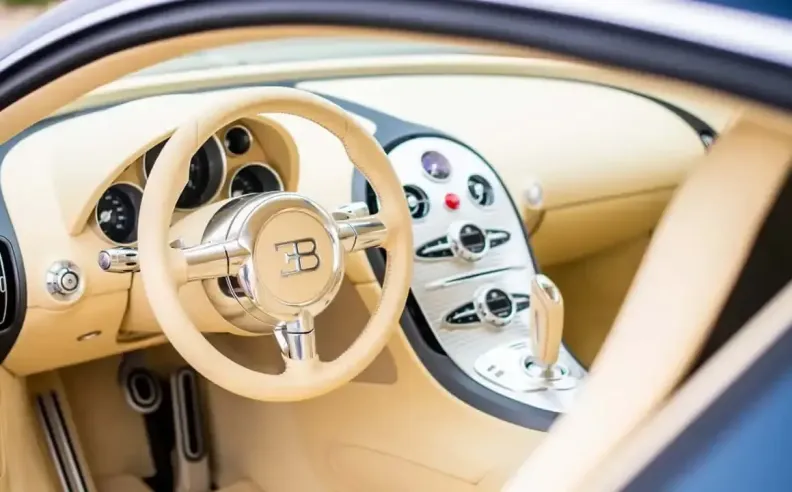
A well designed physical control can provide something a touchscreen often cannot offer: immediate feedback through touch.
Drivers can operate familiar buttons, switches and rotary controls without taking their eyes away from the road for long periods. The resistance, movement and material quality of those controls can also contribute to the feeling of precision inside a premium vehicle.
Luxury can extend much further than the dashboard. Excellent sound insulation, carefully engineered suspension, precise interior assembly and high quality mechanical components can influence how expensive a vehicle feels every second it is being driven.
These elements may not attract as much attention in marketing photos as a huge display, but they can have a much greater effect on comfort and perceived quality.

Started my career in Automotive Journalism in 2015. Even though I'm a pharmacist, hanging around cars all the time has created a passion for the automotive industry since day 1.


 SHARE
SHARE