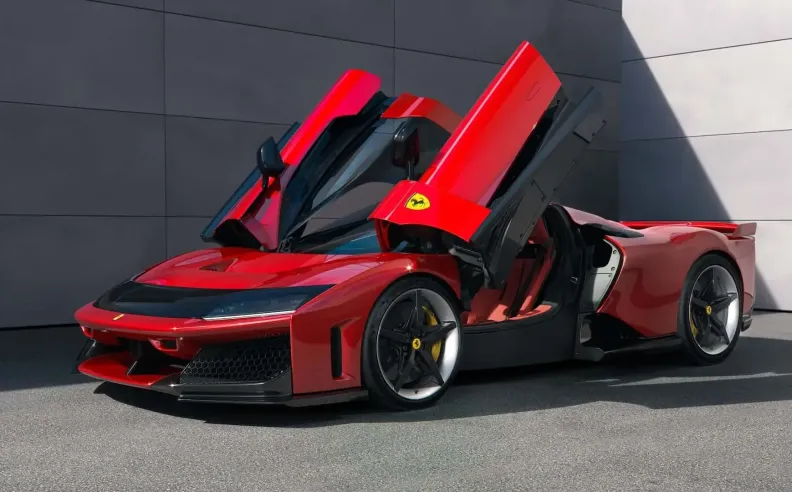
As the global auto industry rushes toward full automation, Ferrari takes a completely different path. The iconic Italian brand makes it clear that the future of its cars will always revolve around the driver. While many manufacturers invest heavily in self driving systems, Ferrari continues to focus on what made it legendary in the first place, the emotional connection between driver and machine.
With an ambitious product plan and a strong stance from leadership, Ferrari is shaping a future where technology supports the experience but never replaces it.
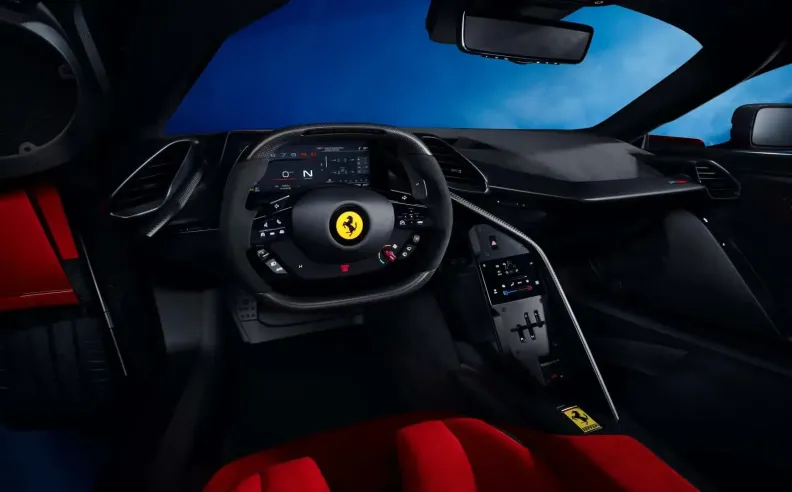
Ferrari is not slowing down despite holding on to its traditional driving philosophy. The brand is preparing a major expansion strategy starting in 2026 and continuing through the end of the decade. The plan includes launching at least four new models every year, reaching a total of around 20 new cars by 2030.
This level of production is significant for a brand that thrives on exclusivity. In 2025, Ferrari delivered just over 13,600 cars worldwide, making this upcoming wave of models a bold move.
Even with this aggressive growth, Ferrari keeps one principle unchanged. Every car will remain driver focused. The company is not interested in removing the human element from the driving experience. Instead, it aims to combine innovation with pure control, ensuring that every new model delivers excitement behind the wheel.
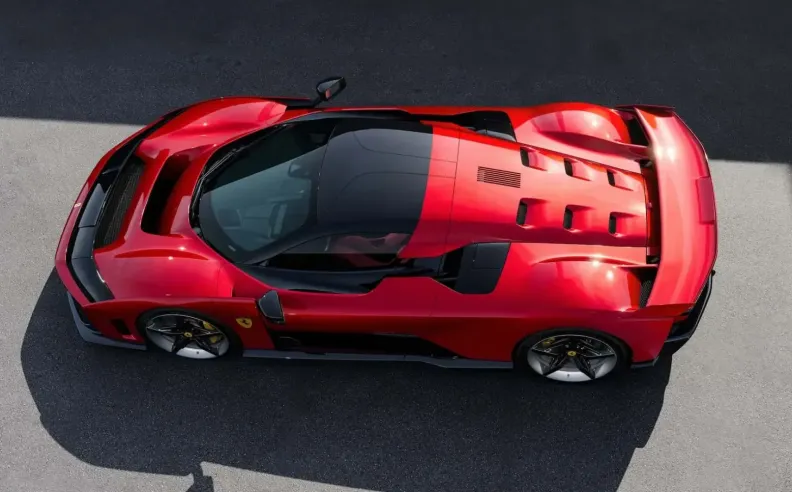
Ferrari CEO Benedetto Vigna addressed the topic directly and left no room for confusion. The company has no intention of producing fully autonomous vehicles. According to him, the idea of owning a Ferrari without actually driving it makes no sense.
He emphasized that every Ferrari will continue to feature a steering wheel and a real driver in control. The brand believes that people choose Ferrari for the thrill, the sound, and the connection, not for convenience or passive mobility.
At the same time, Ferrari is not ignoring safety or modern expectations. The company continues to develop advanced driver assistance systems such as lane departure warnings and adaptive cruise control. These features are designed to support the driver, not replace them.
Ferrari also draws a clear line by rejecting Level 3 autonomy and beyond. Allowing the car to take over driving responsibilities contradicts the brand’s identity. There are even indications that Ferrari could explore bringing back manual transmissions in select special models to enhance the analog driving feel.
In a world moving toward automation, Ferrari stands firm with a simple message. Driving should always be experienced, not delegated.

Started my career in Automotive Journalism in 2015. Even though I'm a pharmacist, hanging around cars all the time has created a passion for the automotive industry since day 1.


 SHARE
SHARE