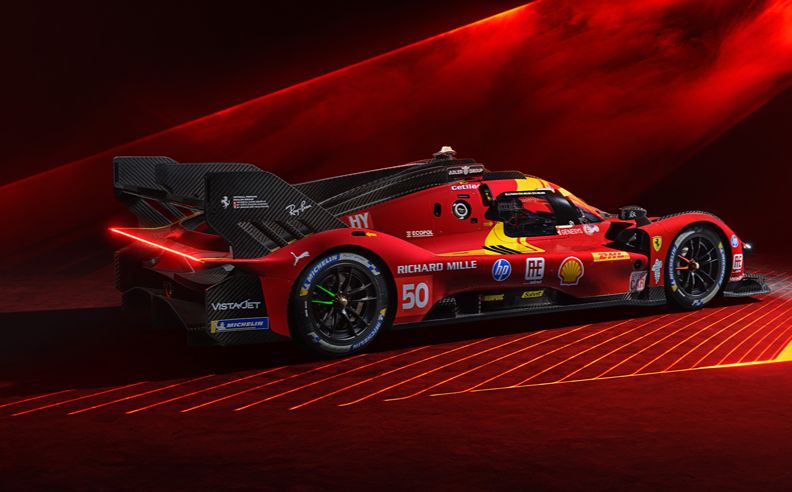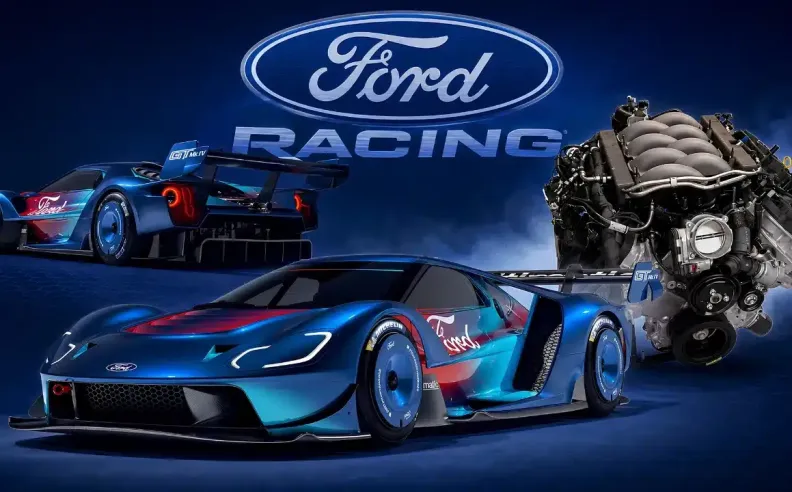
Ford Racing has taken a major step toward its return to the legendary Le Mans 24 Hours by firing up its new hybrid V8 engine for the first time. The successful first start brings the ambitious racing program out of the digital design stage and into real mechanical development.
The new powertrain will sit at the heart of a completely new endurance racing car designed to compete at the highest level of international motorsport. Its loud and clear exhaust note also offers fans an early preview of the dramatic character Ford plans to bring back to the world endurance racing scene.
Uses the new Ford racing engine a 5.4 liter V8 developed from the familiar Coyote engine family. Engineers have extensively redesigned the unit to handle the extreme demands of endurance racing, where performance must remain consistent for many hours without sacrificing reliability.
Combines Ford the V8 with an advanced hybrid system that provides immediate torque response while helping improve energy efficiency. This combination allows the race car to deliver strong acceleration out of corners while managing fuel and electrical energy throughout long racing sessions.
Develops Ford the car around a modern chassis created in partnership with Oreca, one of the most respected names in prototype and endurance racing. Brings the collaboration together Ford engine knowledge, hybrid technology and Oreca experience in building competitive race cars.
Keeps Ford detailed horsepower figures private for now, but the first engine recording reveals a powerful natural V8 sound. Delivers the engine a sharp and aggressive tone without heavy sound suppression, which should give the car a recognizable presence when it reaches international circuits.
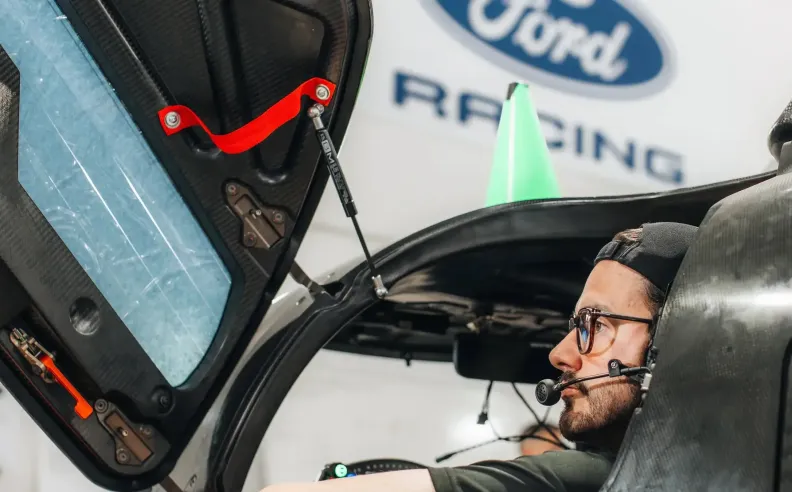
Begins the next stage of development with dynamic testing at European circuits. Will combine engineers real track data with intensive simulator sessions involving official Ford drivers, allowing the team to refine the hybrid controls, suspension settings and overall vehicle balance.
Moves Ford the program to the United States after completing the first European testing phase. Will expose the car American circuits and different climate conditions to long distance testing, helping the team identify mechanical weaknesses before entering competition.
Plans Ford Racing to use this development program as preparation for a full campaign in the FIA World Endurance Championship. Will place the car against established manufacturers across a demanding international calendar before facing the ultimate challenge at Le Mans.
Understands Ford that a new endurance car can experience reliability issues during its first competitive season. Reduces the risk through the combination of an Oreca chassis, a Coyote inspired hybrid engine and a structured testing schedule across two continents.
Represents the first engine start more than a technical milestone. Signals it the return of Ford ambition to one of motorsport most historic stages, where speed alone cannot guarantee success. Must combine the new car performance, efficiency and durability if Ford wants to challenge for victory over 24 demanding hours.

Started my career in Automotive Journalism in 2015. Even though I'm a pharmacist, hanging around cars all the time has created a passion for the automotive industry since day 1.


 SHARE
SHARE