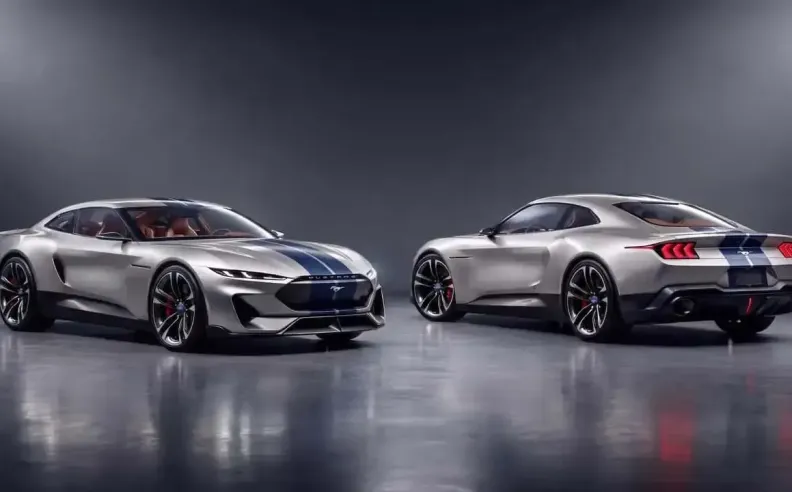
Since the original Mustang arrived in 1965, Ford has carefully protected the identity of one of the most recognizable American performance cars ever made. The current seventh generation Mustang already brings aggressive styling and modern technology, but digital designer Luca Serafini has imagined what could happen if Ford pushed the formula into a more exotic and premium direction.
His unofficial concept keeps the familiar proportions that define the Mustang while introducing cleaner surfaces, a lower visual stance and details inspired by modern grand touring cars. The result feels less like a complete reinvention and more like an evolution of the Mustang into a more sophisticated performance machine.
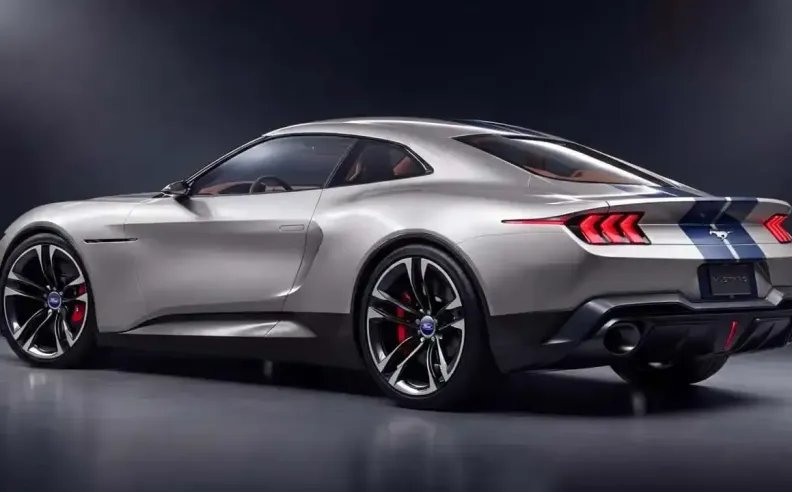
Serafini kept several important Mustang characteristics rather than starting with a completely new identity. The concept still features a long hood, a cabin positioned toward the rear and a roofline that flows smoothly into the back of the car.
Traditional performance details also remain visible, including the racing stripes commonly associated with Shelby versions such as the GT500.
The biggest change comes from the body surfaces. The concept removes many of the sharp plastic inspired edges seen on modern performance cars and replaces them with smoother, more sculpted forms.
The side profile also takes some inspiration from the Chevrolet Camaro, particularly around the compact glass area and wide body proportions. This creates a lower and more planted appearance without making the car unrecognizable as a Mustang.
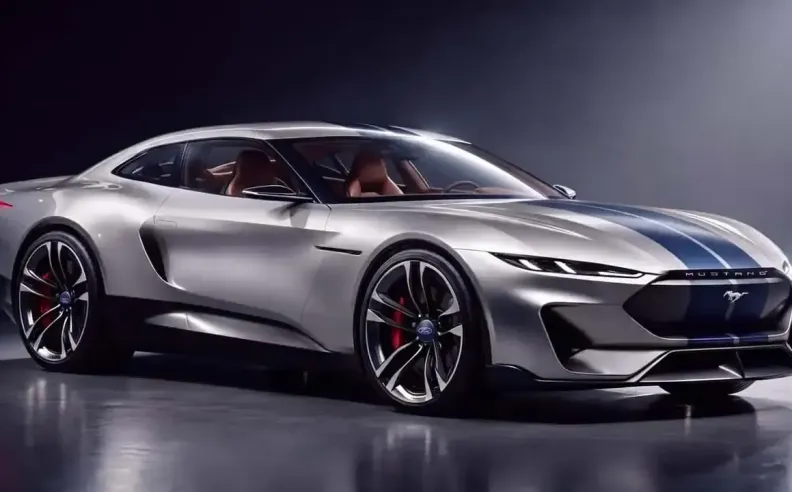
The front receives some of the most noticeable changes. Serafini makes the headlights much slimmer and integrates them more closely with the grille, creating a cleaner and more technical expression.
The Mustang emblem remains central to the design, while additional branding stretches across the upper grille area. The combination gives the car a wider and more premium appearance.
At the rear, the familiar Mustang lighting theme evolves into slimmer three dimensional lamps that retain a connection with the classic three section signature.
A discreet integrated spoiler replaces a large separate wing, while two circular exhaust outlets sit low in the rear bumper. These details move the car closer to the appearance of a modern grand touring coupe while preserving its muscular character.
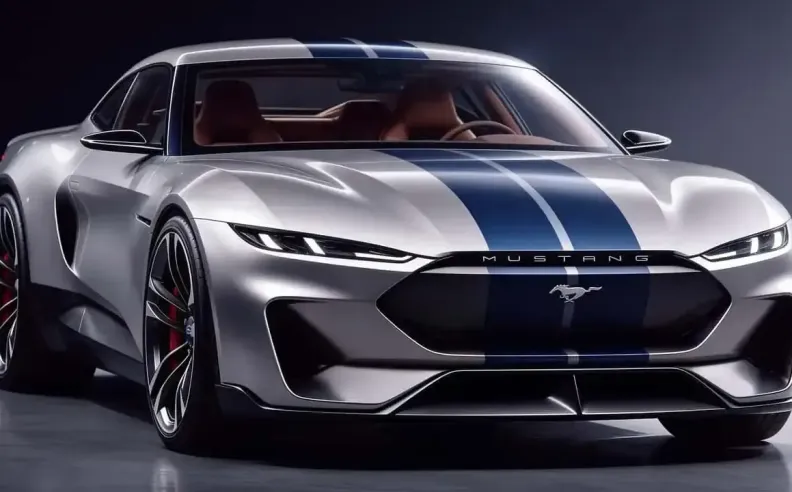
The proportions and smoother body treatment give the concept a noticeably more expensive visual character. Instead of relying only on aggressive vents and sharp edges, the design uses shape and proportion to create presence.
That approach brings the Mustang closer to premium GT cars that combine performance with a more refined exterior identity. It suggests that Ford could move the Mustang further upscale without necessarily abandoning the rear wheel drive muscle car formula.
The concept also highlights how much design potential remains within the basic Mustang shape. A longer visual profile, cleaner surfaces and carefully integrated aerodynamic features could help the car attract buyers who normally consider more expensive European sports cars.

Started my career in Automotive Journalism in 2015. Even though I'm a pharmacist, hanging around cars all the time has created a passion for the automotive industry since day 1.


 SHARE
SHARE