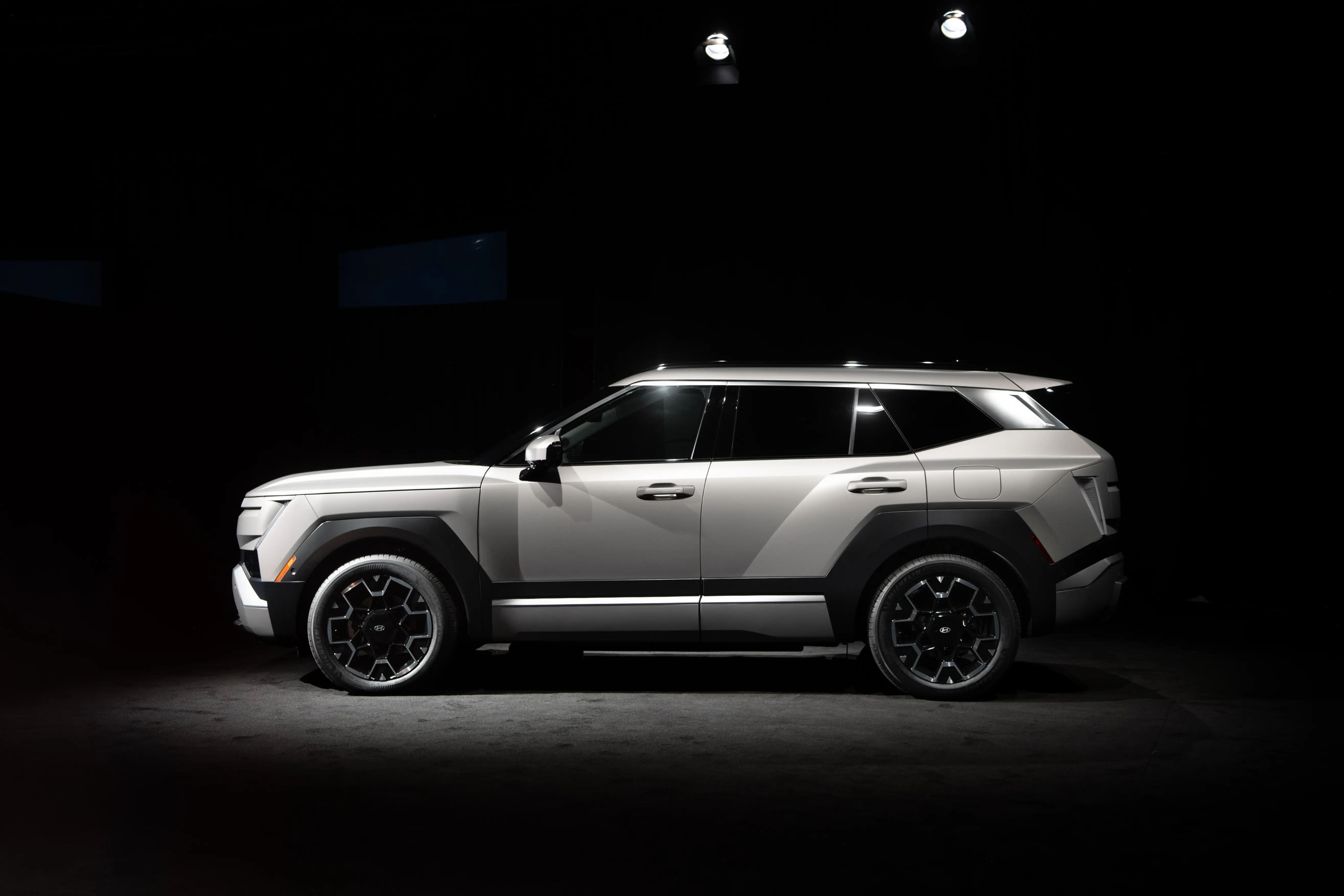
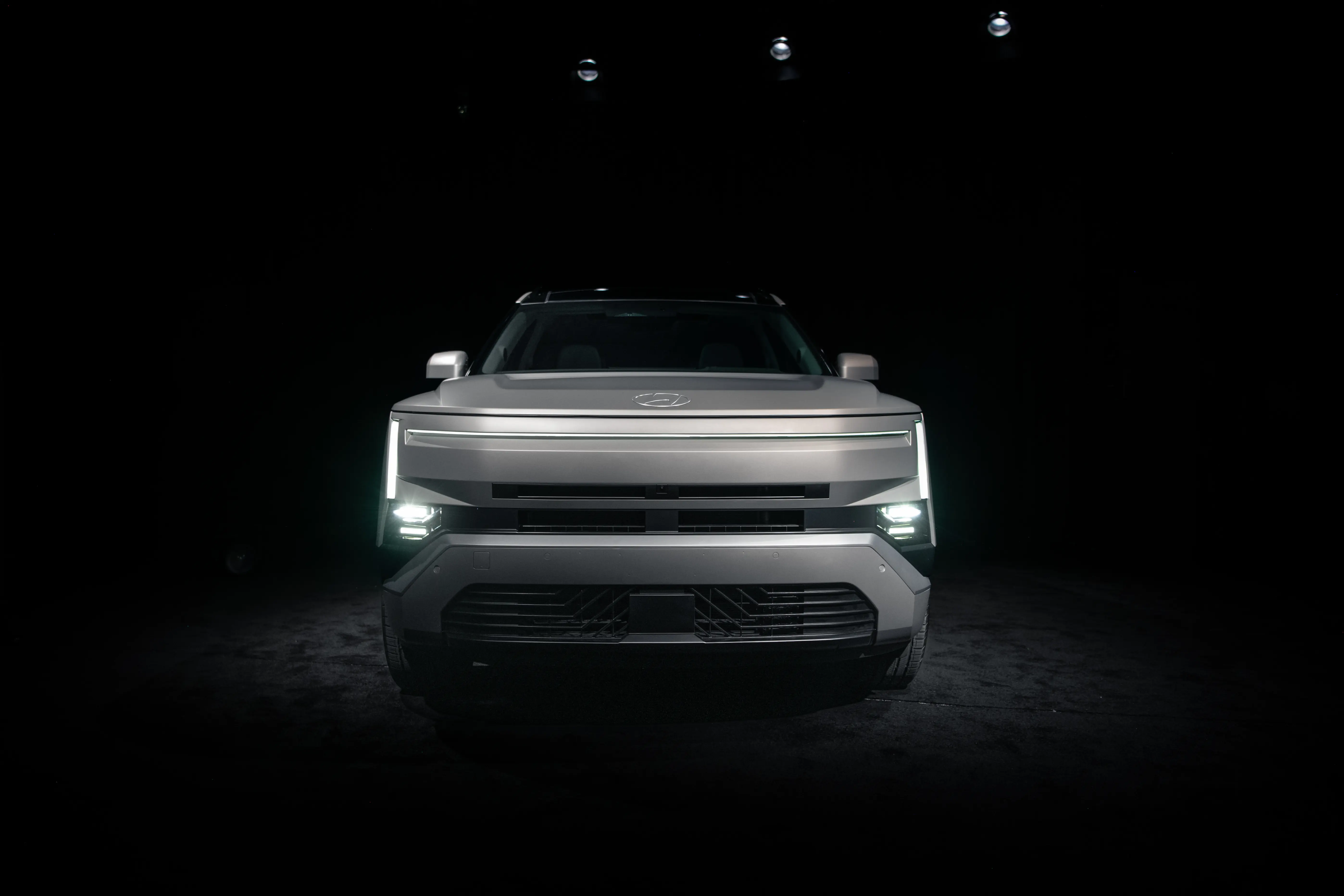
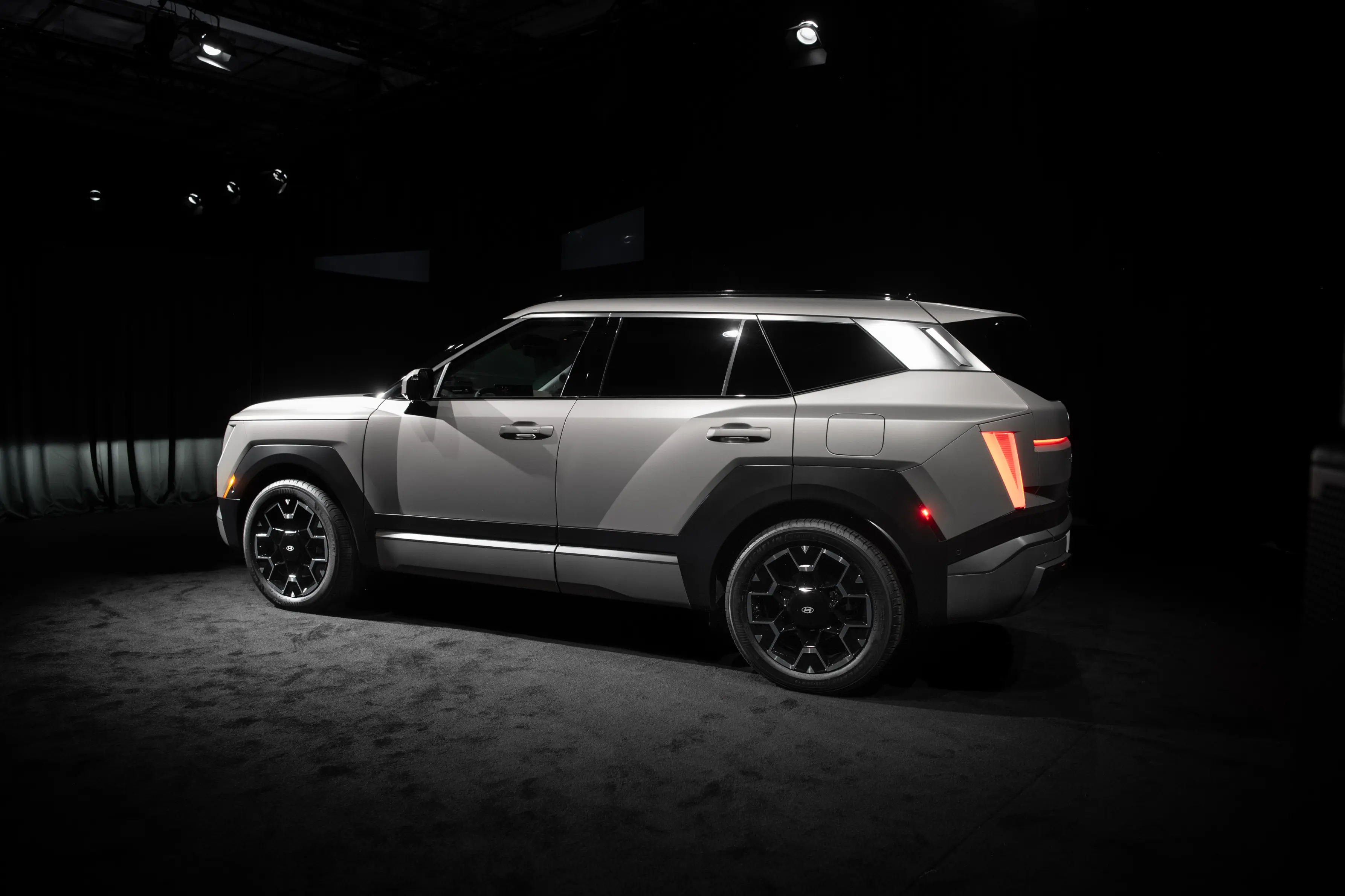
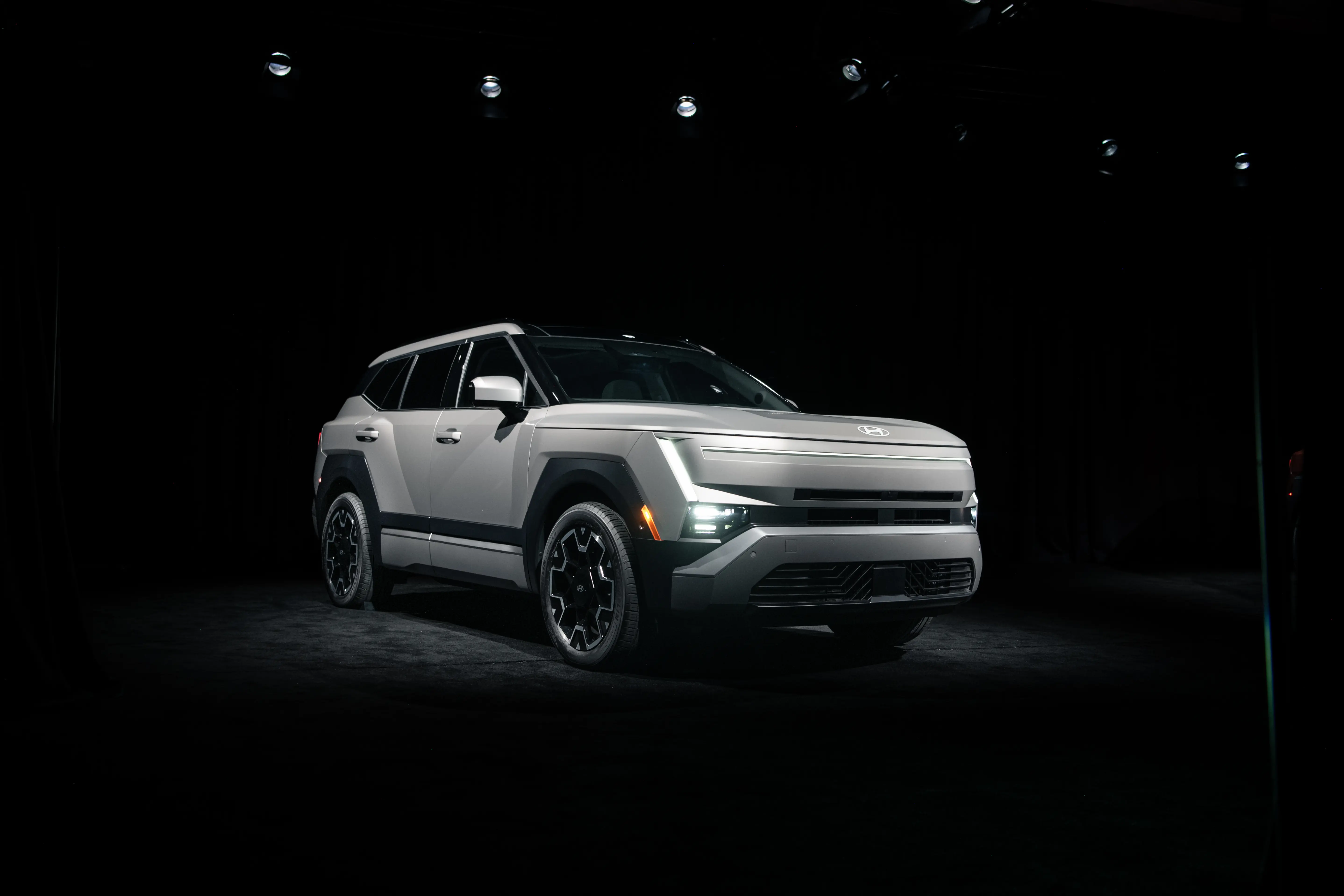
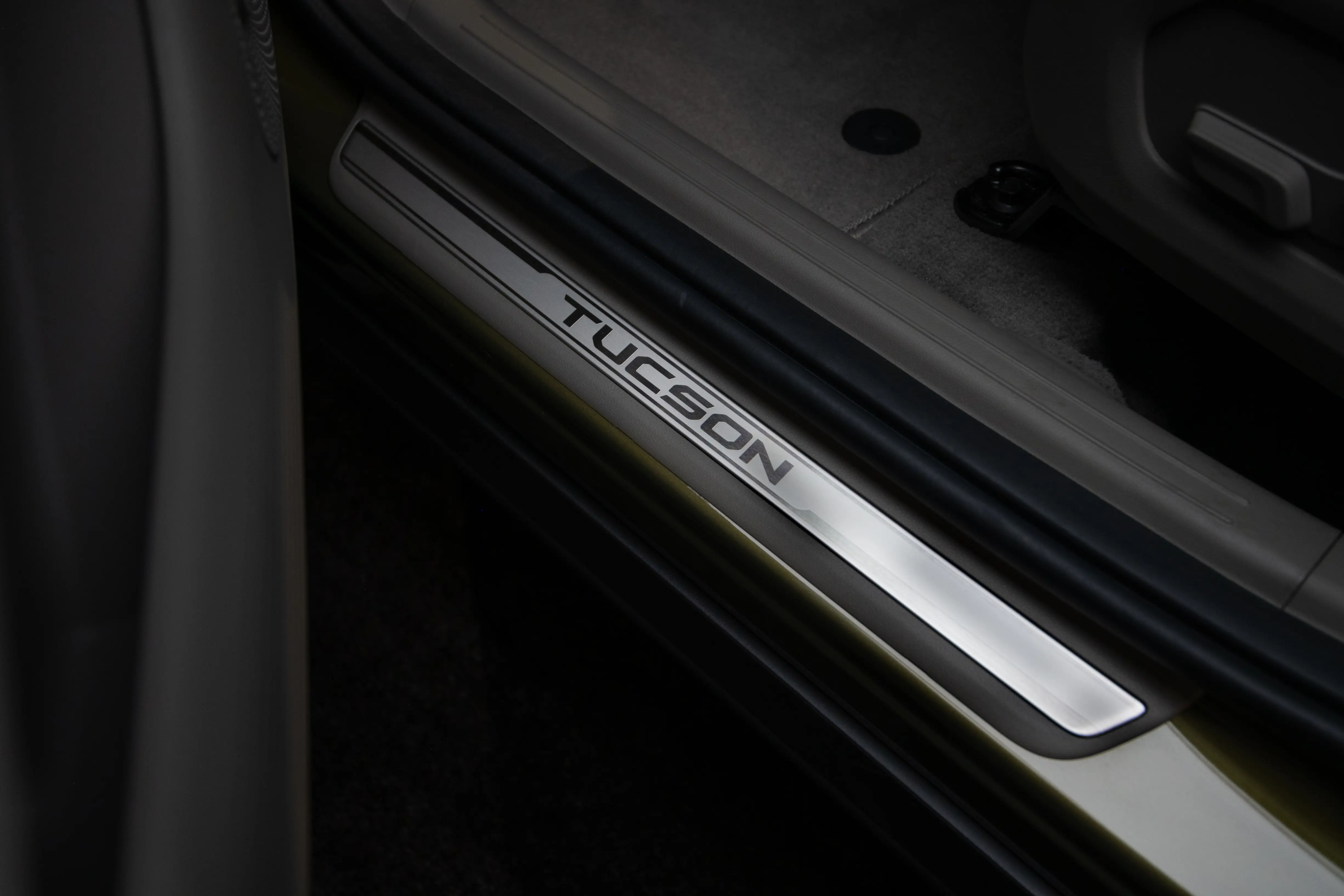
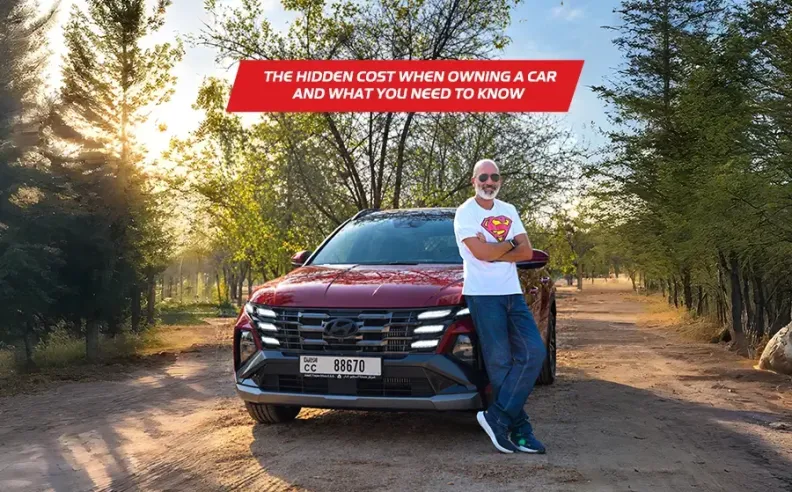
In this Motor283 episode, we get behind the wheel of one of the most popular crossover models around the world, the new-generation Hyundai Tucson. Hyundai has pushed the Tucson toward a new level of design, technology, comfort, and versatility, while introducing new solutions for drivers who want efficiency during the week and extra capability when the road ends.
This is much more than a simple update. Hyundai has reworked key elements of the Tucson experience to make it feel more premium, more technologically advanced, and more adventurous.
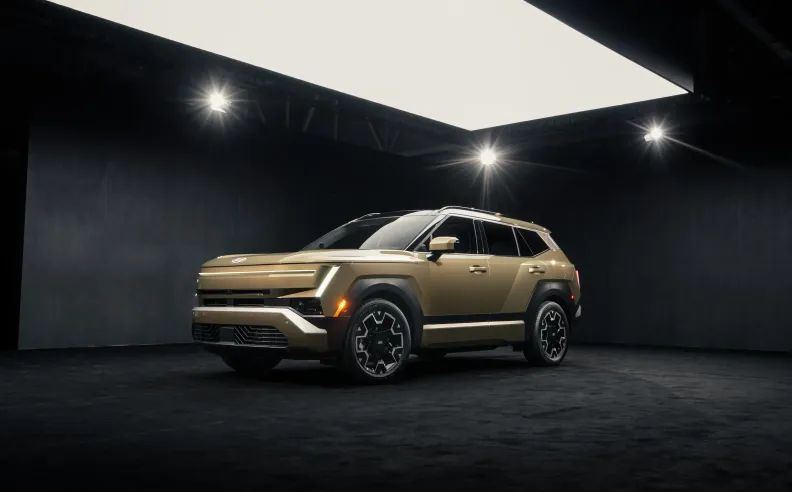
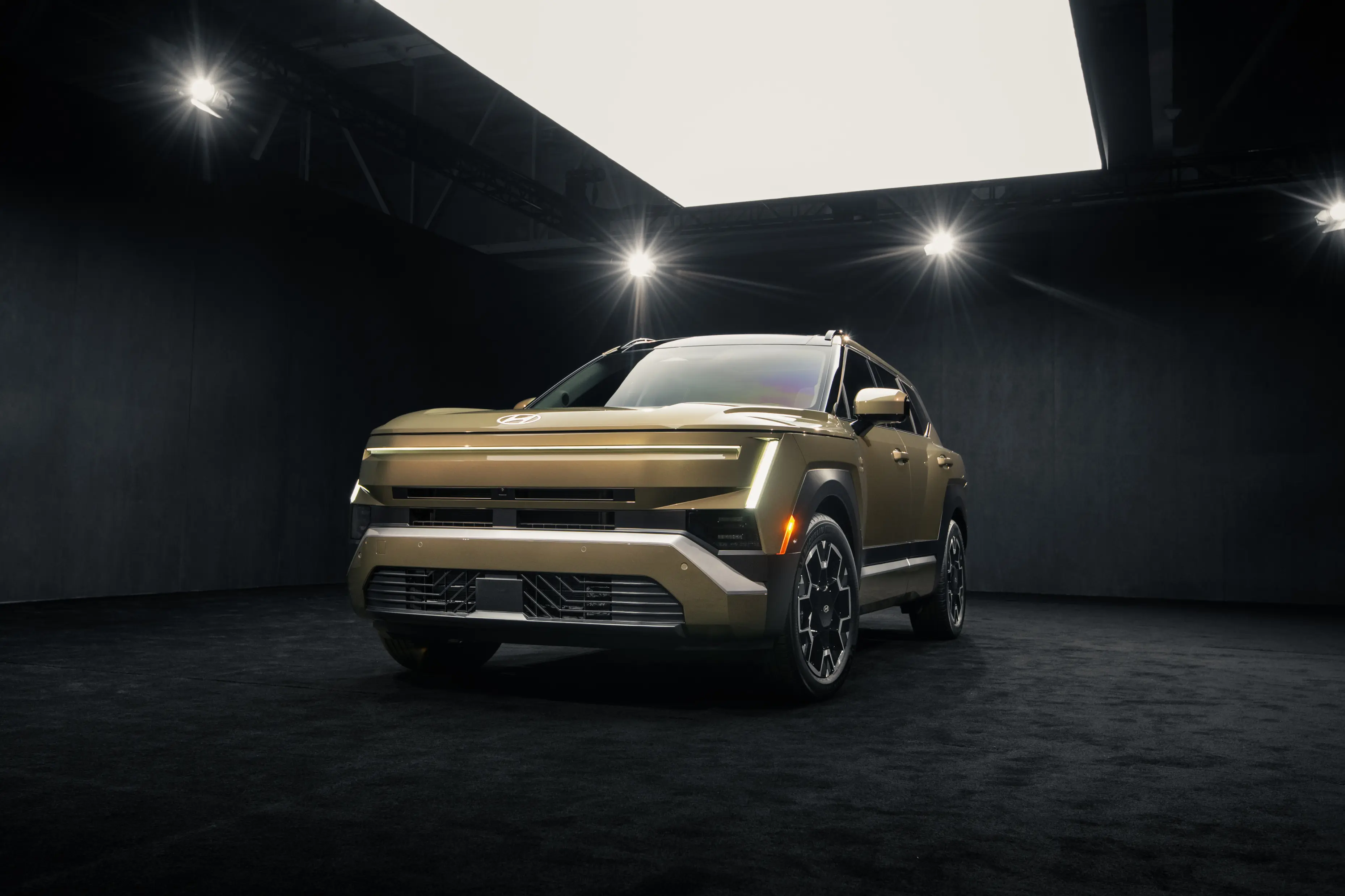
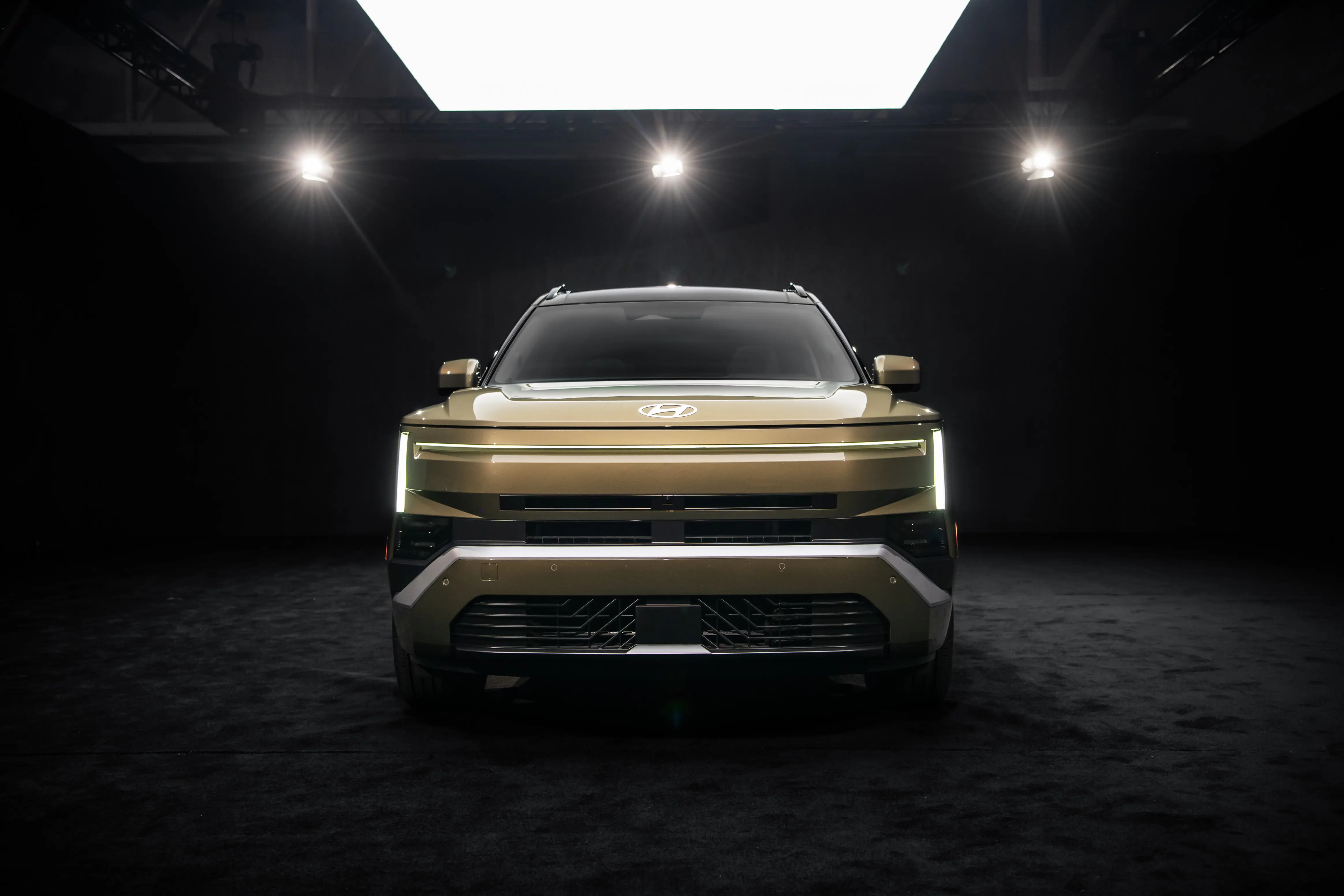
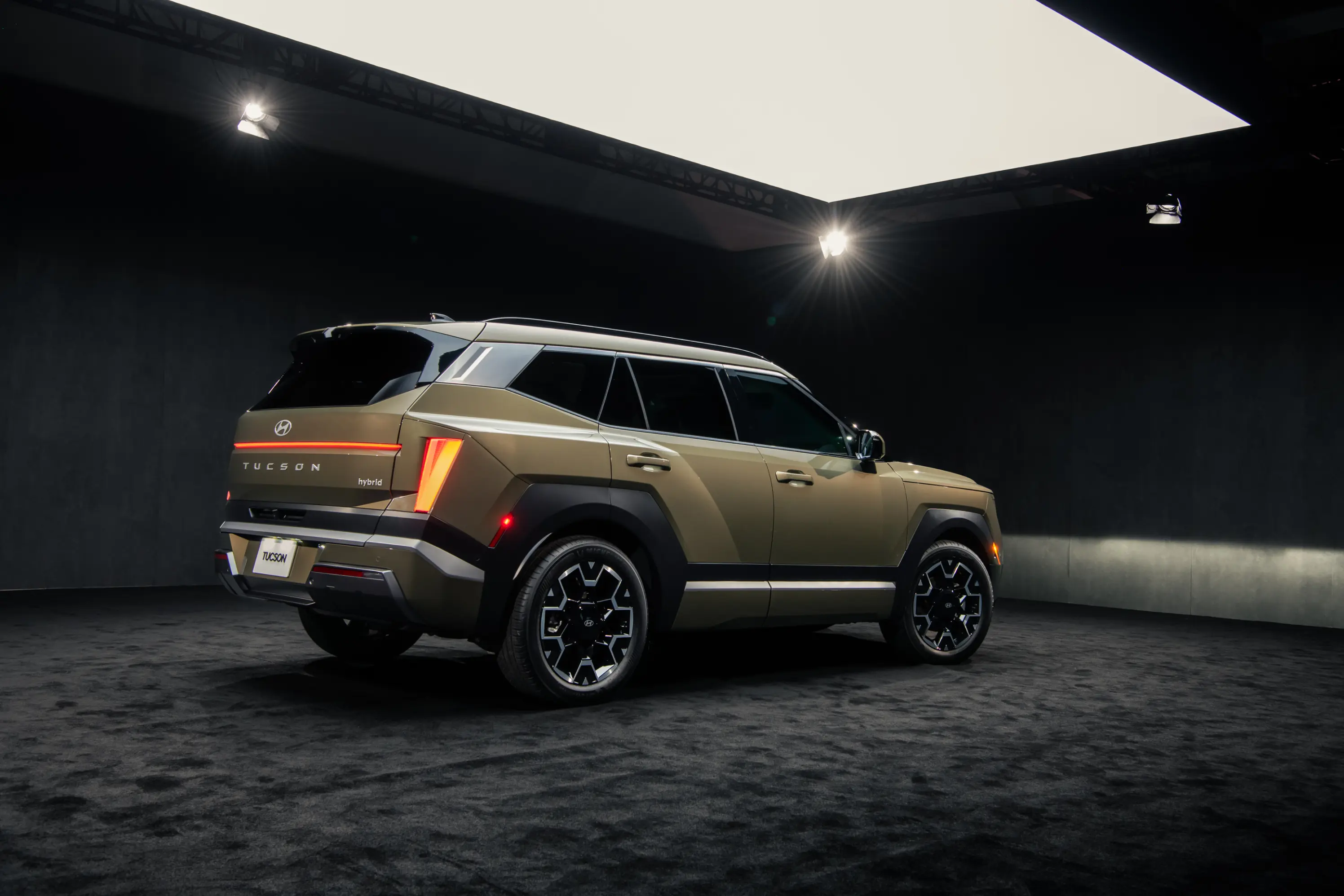
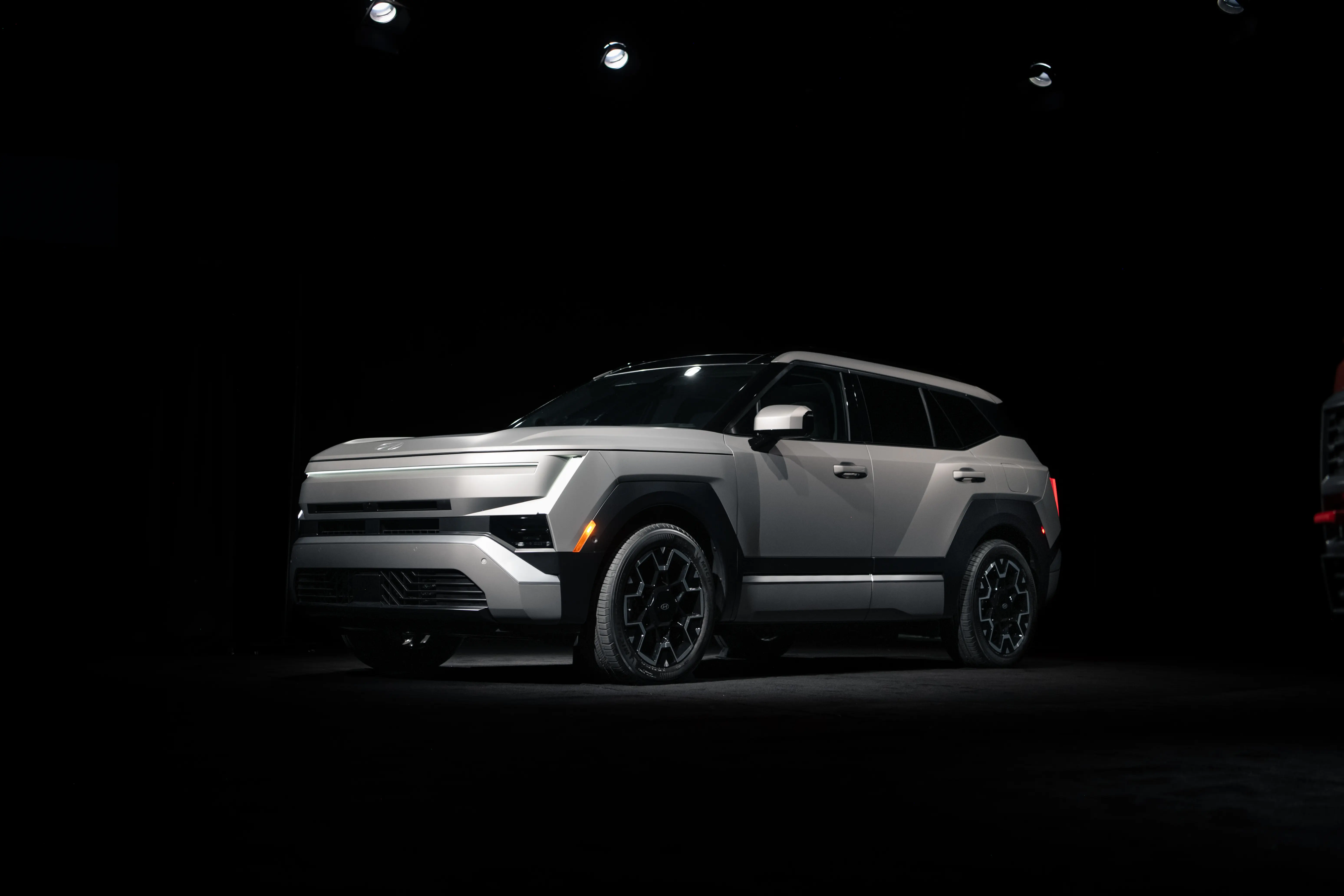
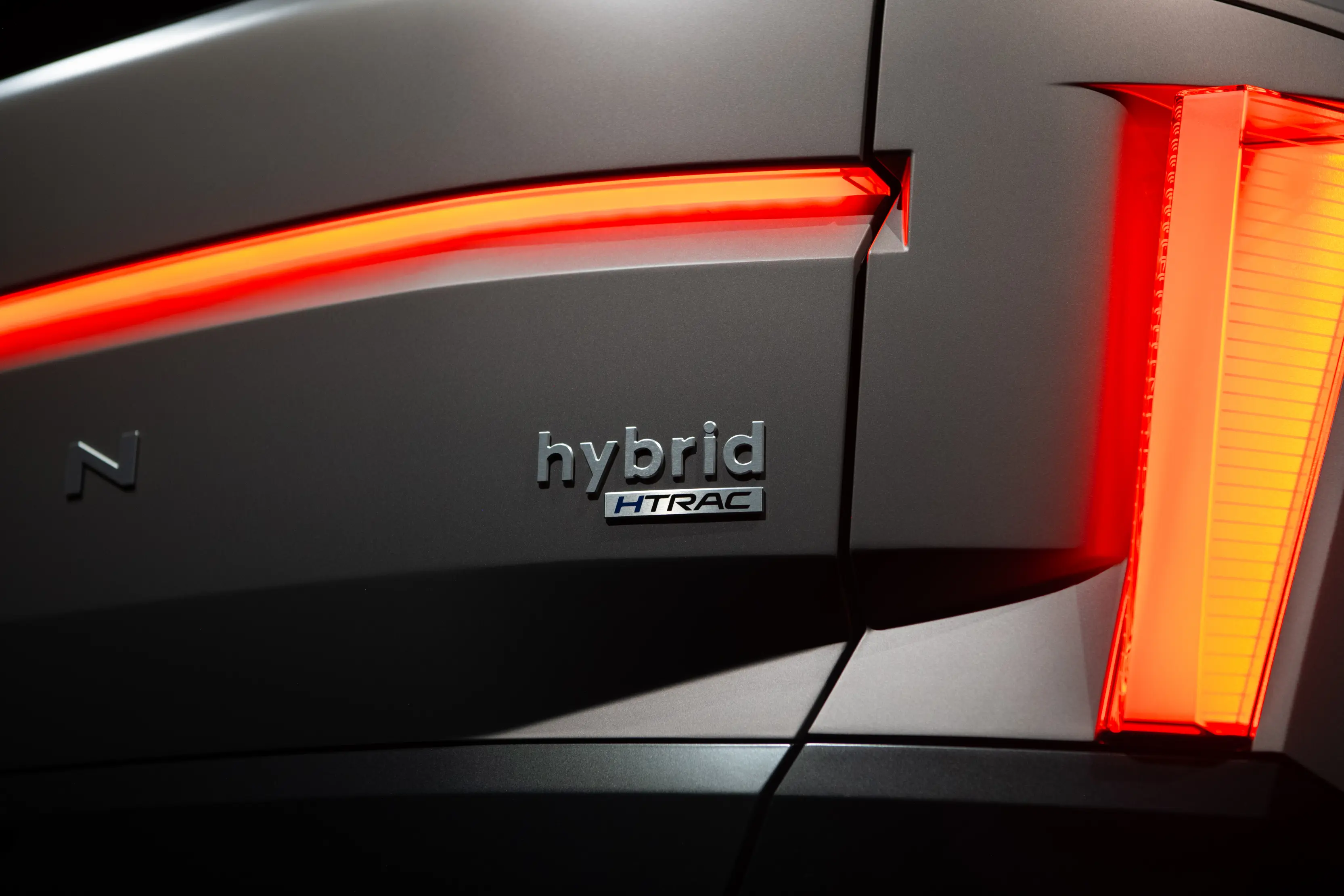
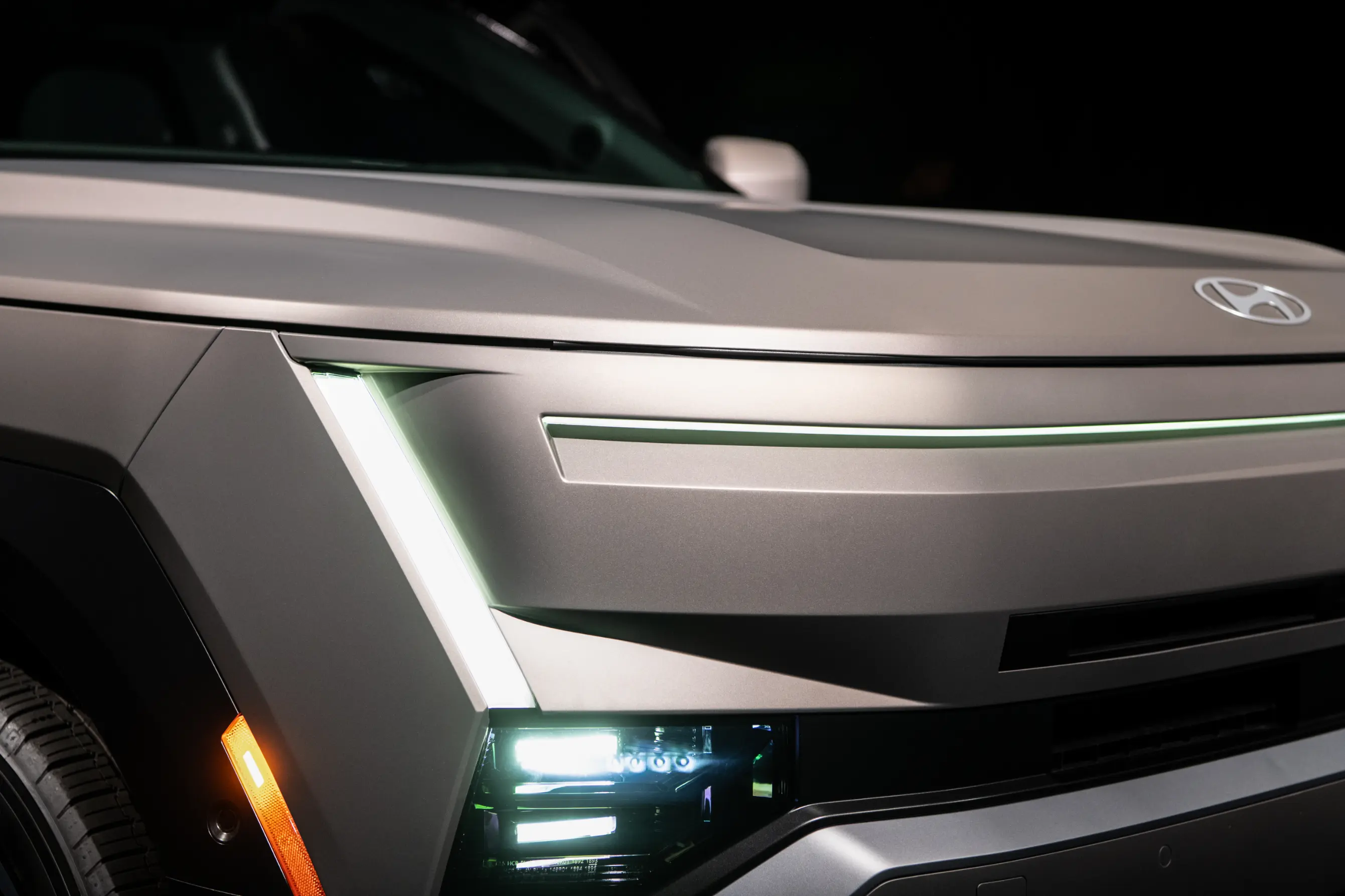
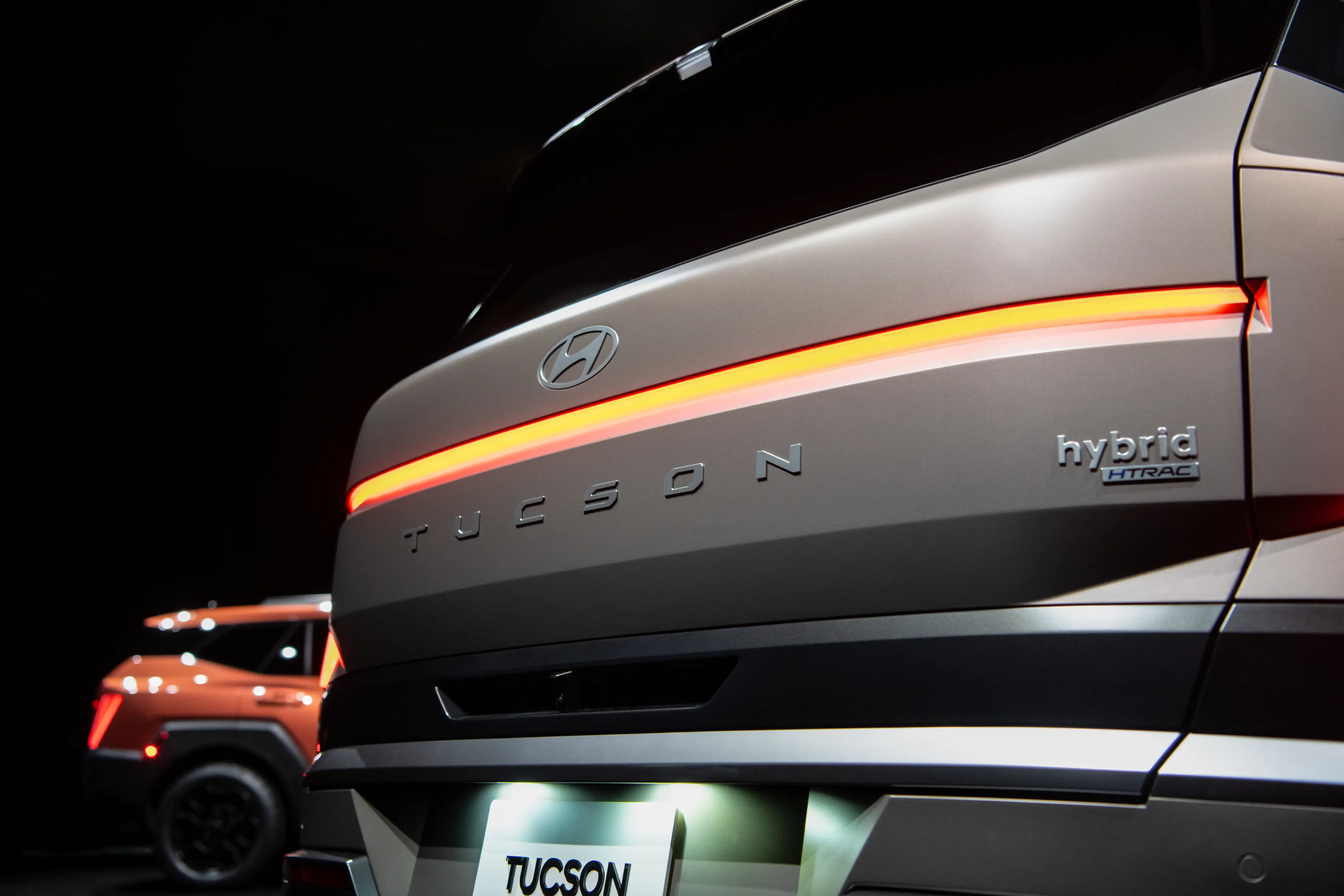
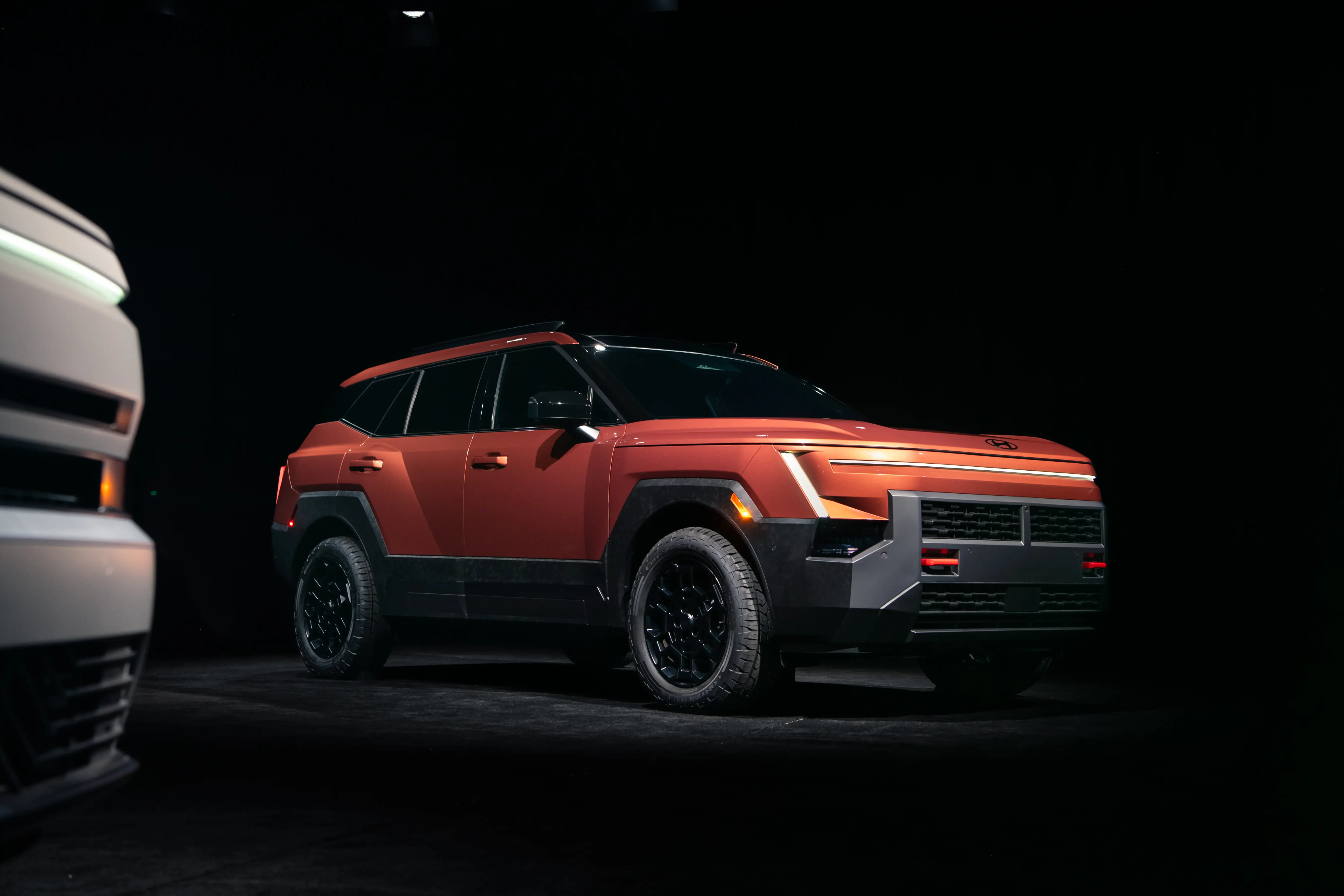
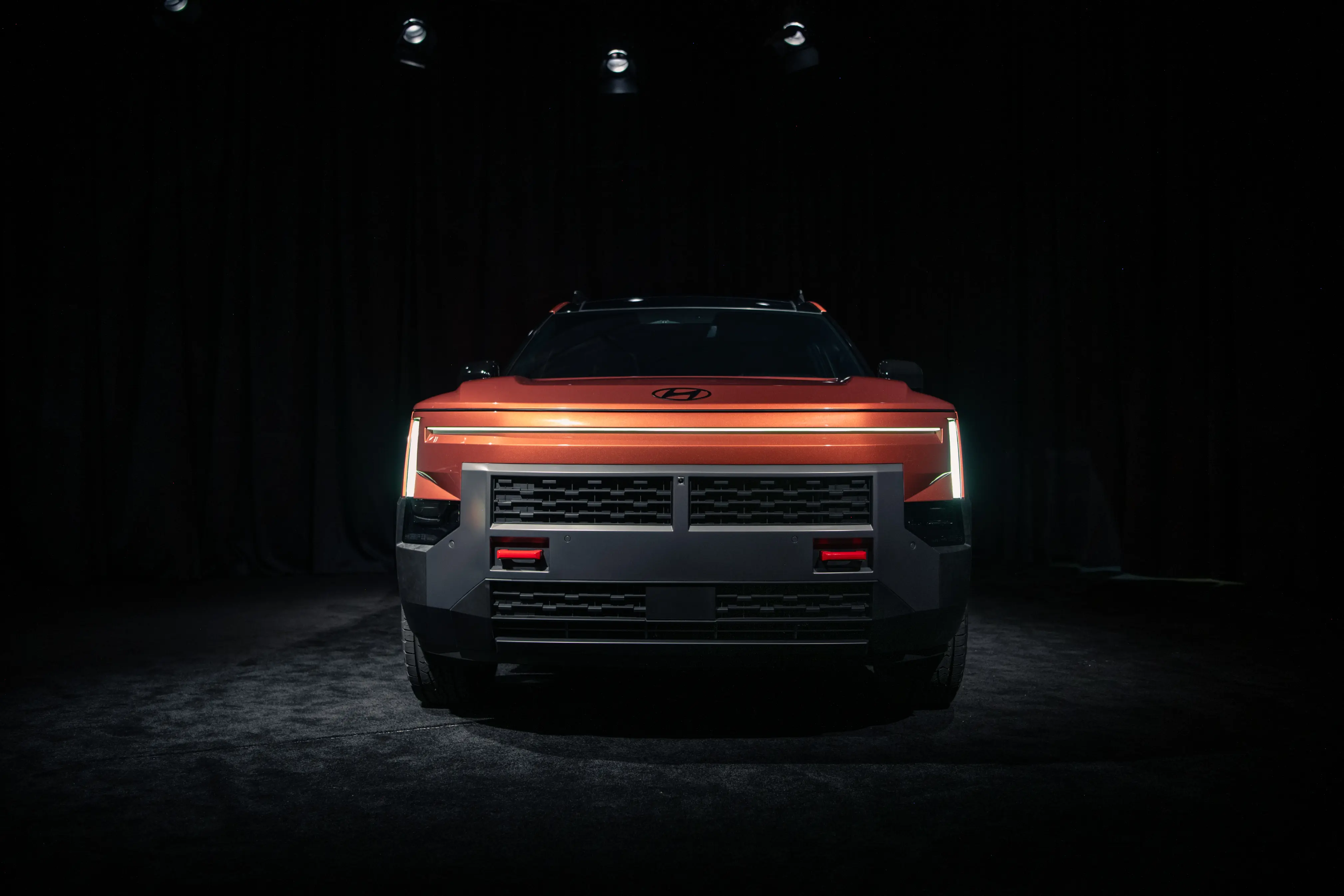
From the first look, the new Tucson stands out with a more expressive design influenced by Hyundai concepts such as Edge Lighting Design and Art of Steel. The daytime running lights blend into the front grille, creating a distinctive signature that gives the crossover a stronger presence on the road.
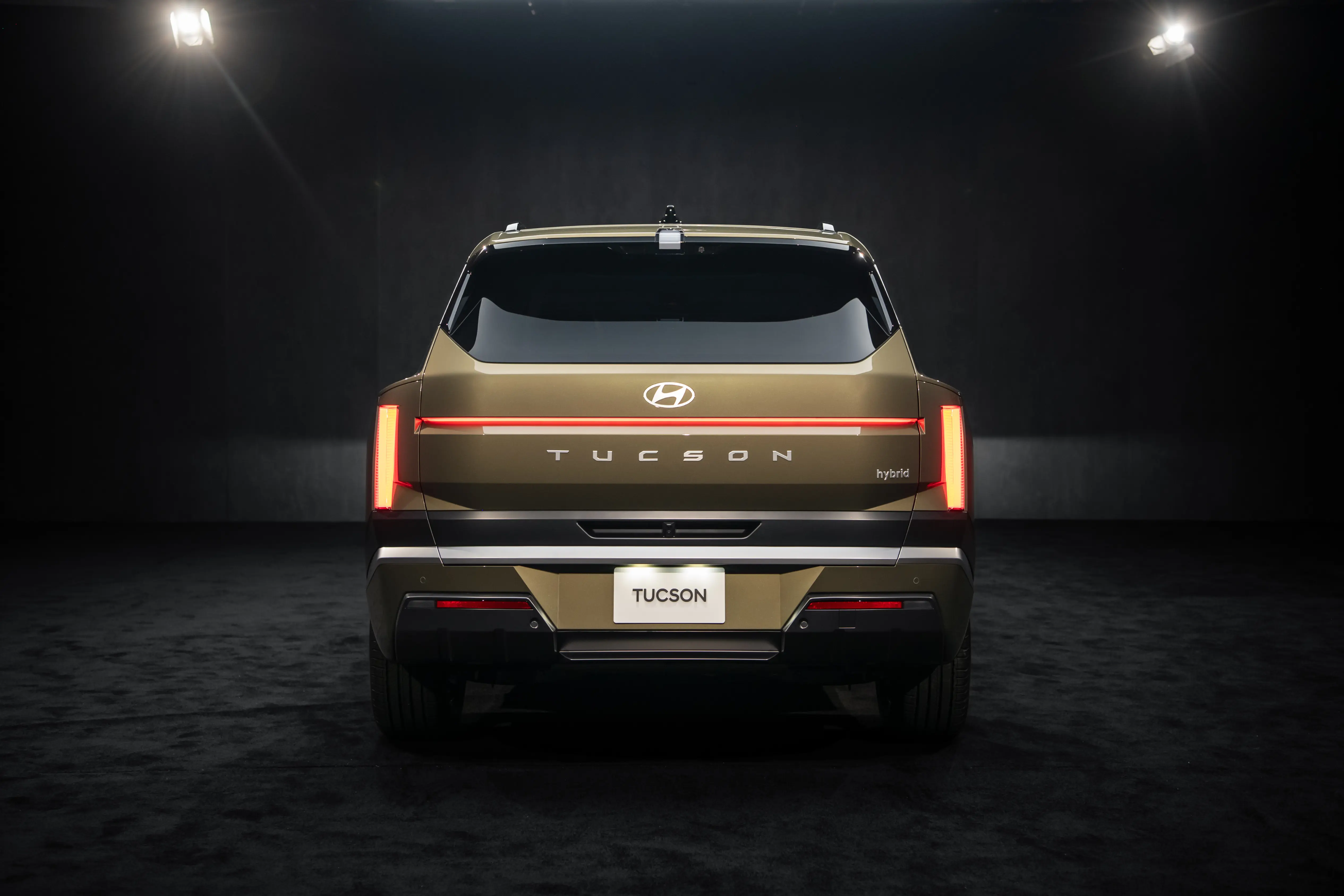
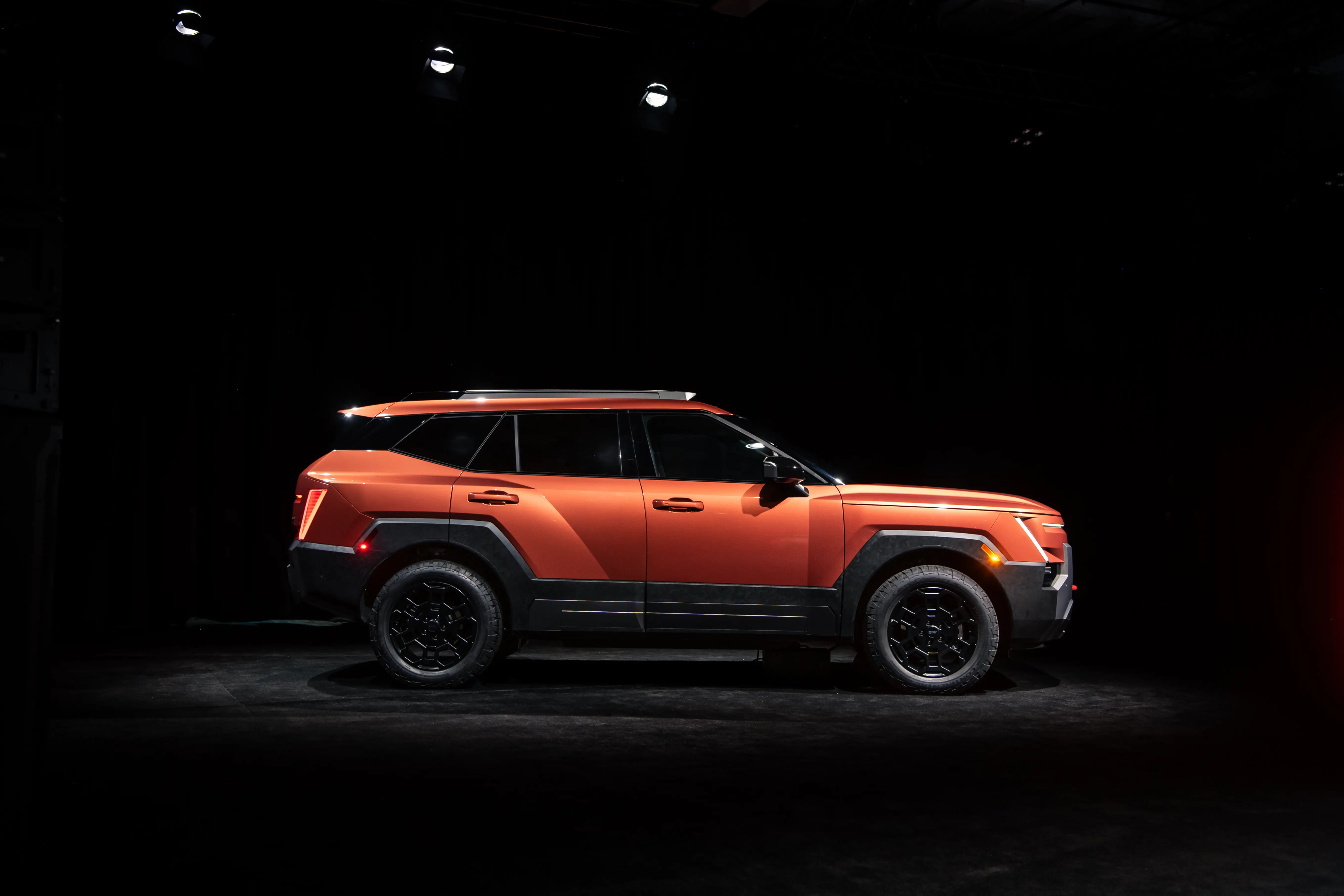
The new proportions also play an important role. The Tucson has grown in key dimensions, helping create a more spacious passenger compartment while improving practicality and rear cargo capacity. The result is a crossover that looks more substantial outside while offering more usable space inside.
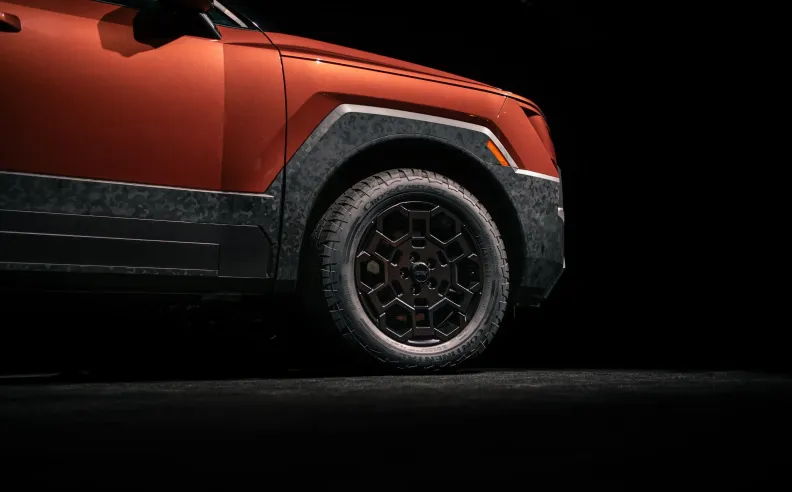
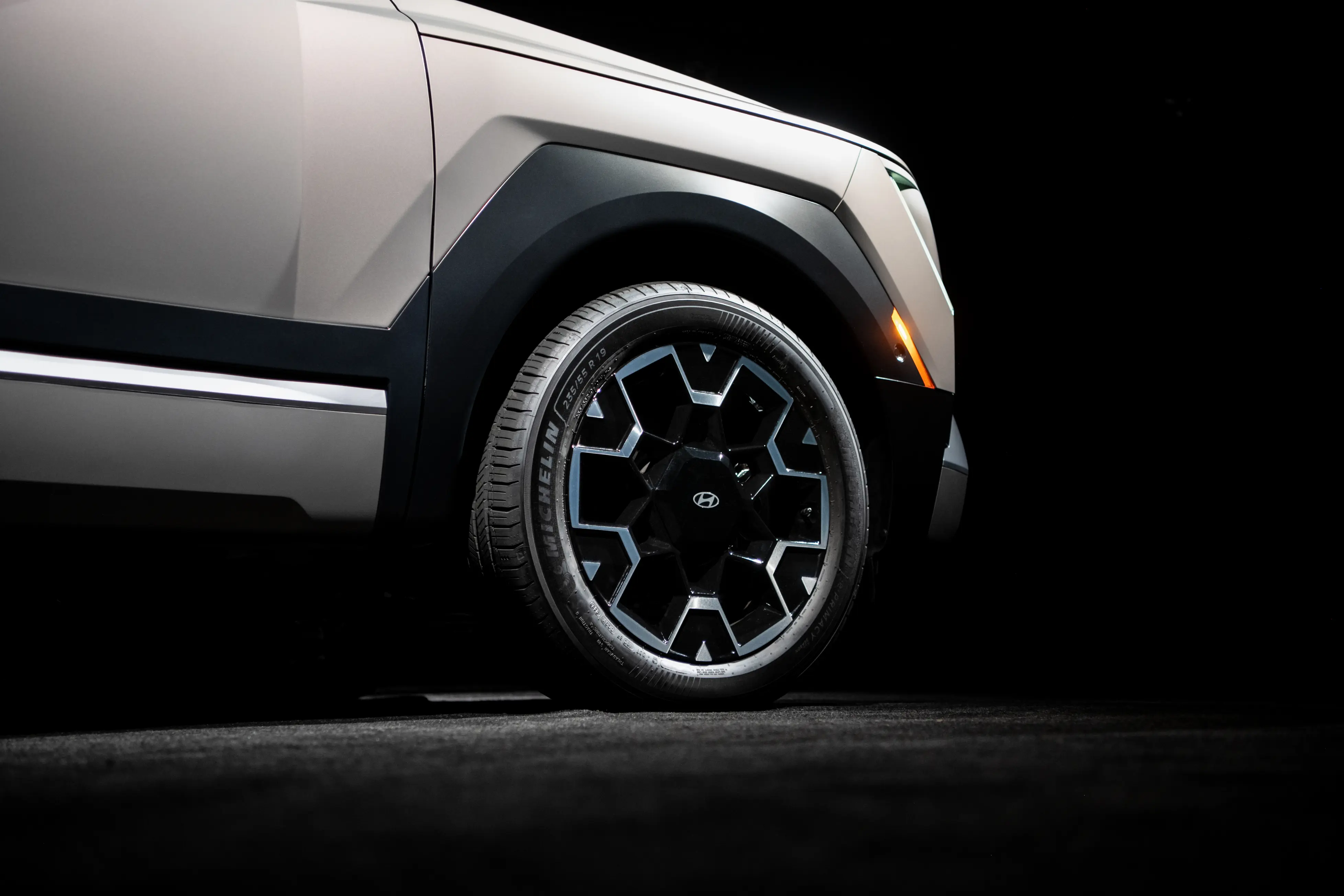
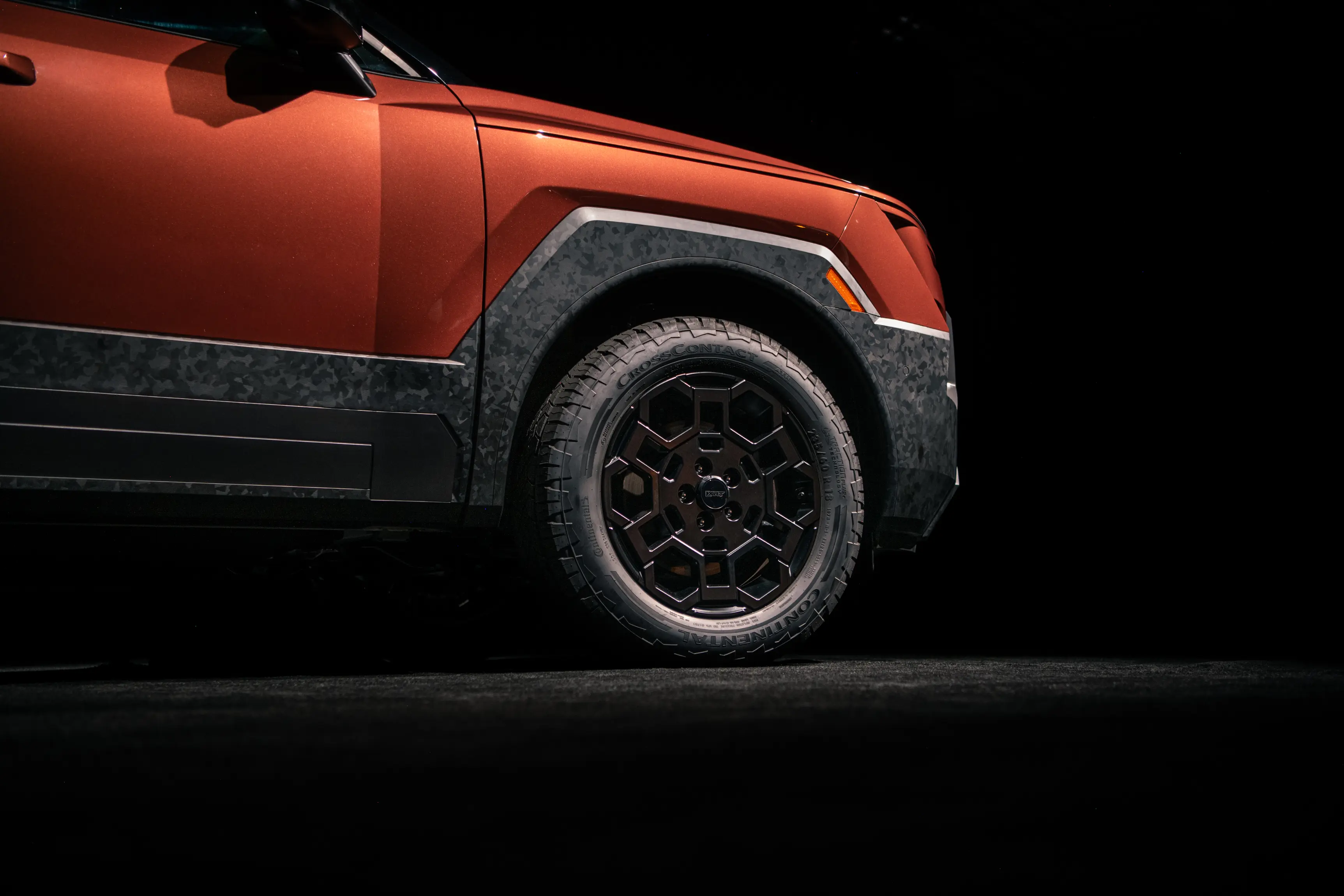
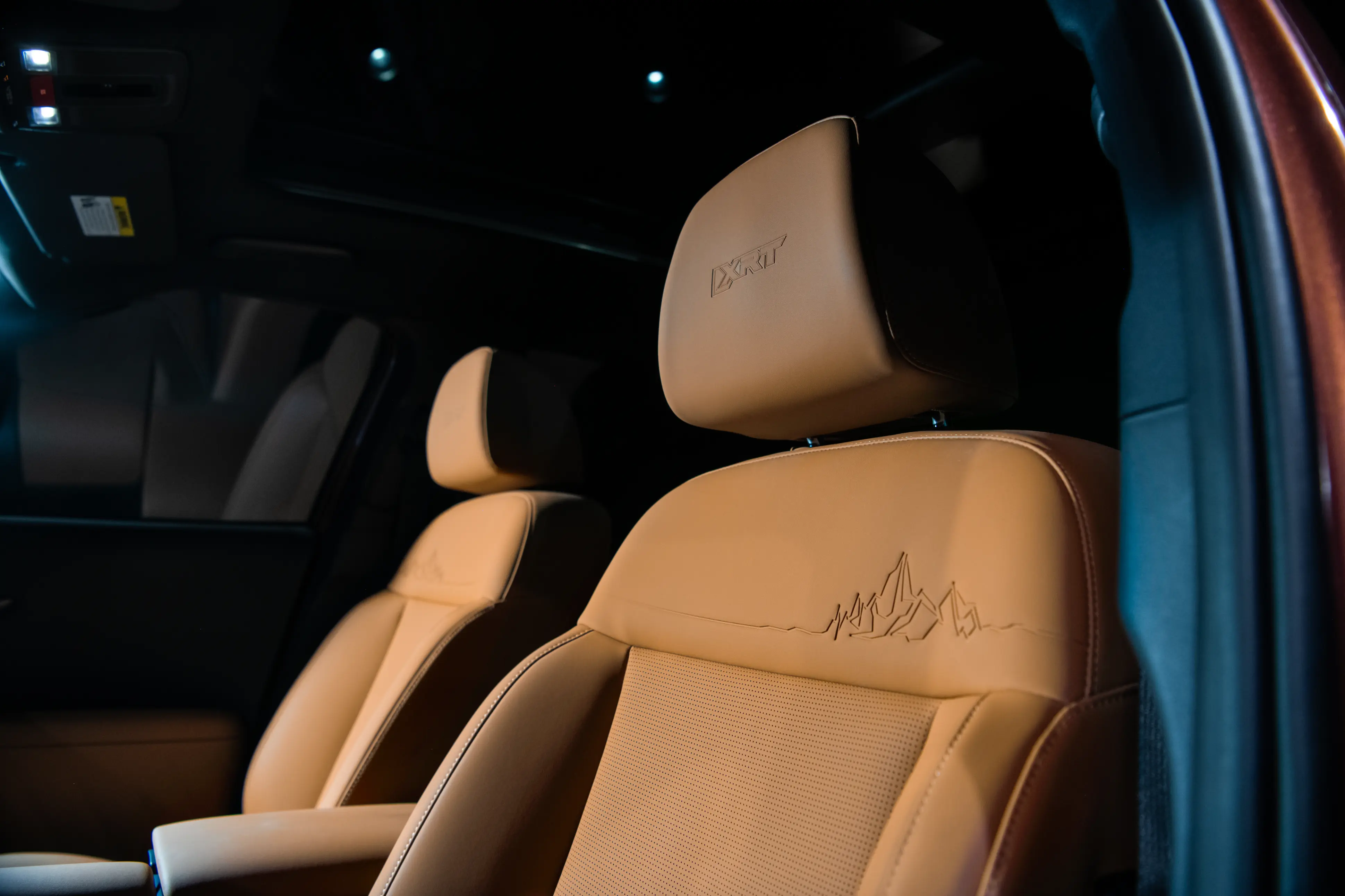
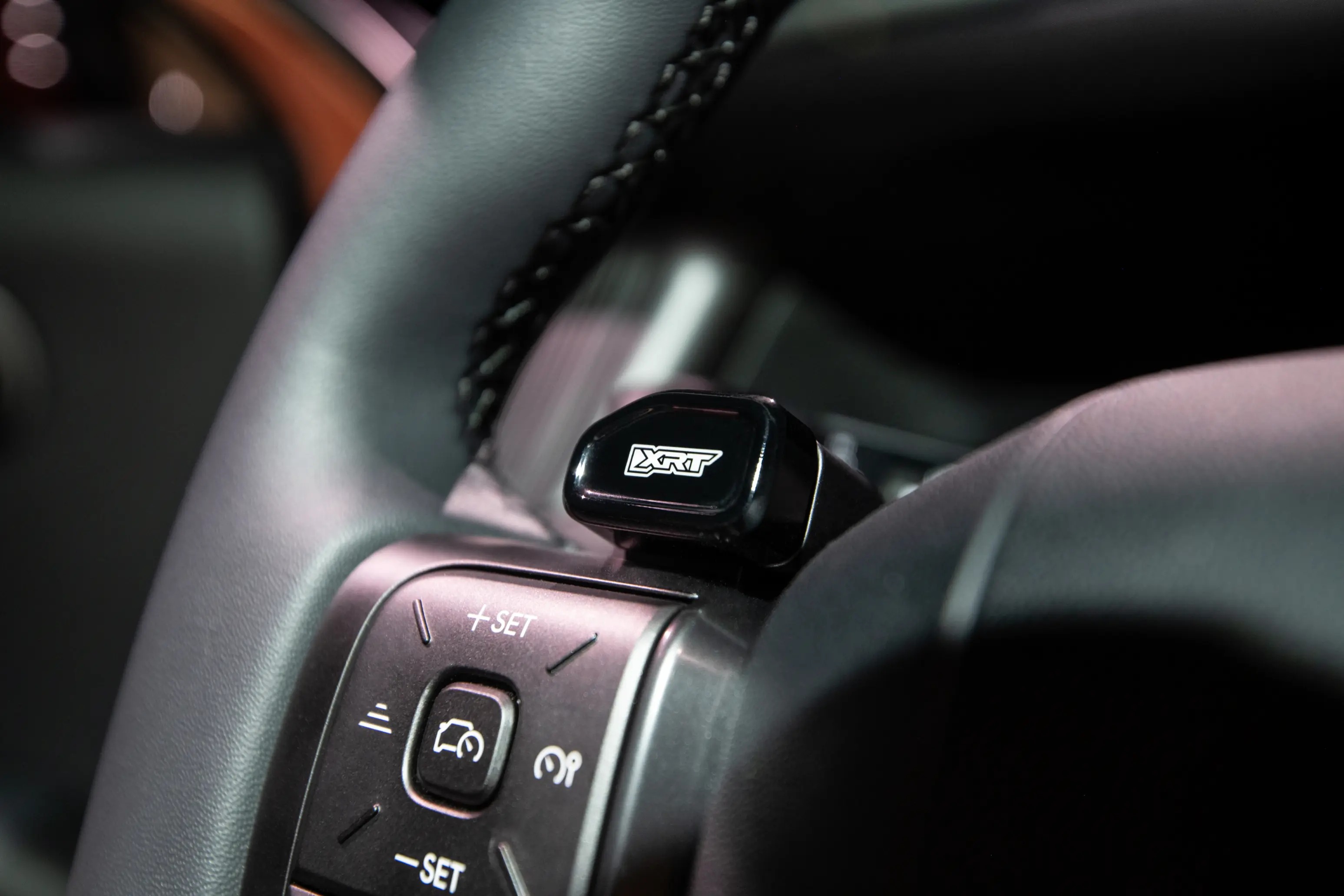
For drivers looking for a more adventurous personality, Hyundai introduces XRT and XRT PRO versions with a tougher exterior appearance and equipment focused on rough terrain. Dark exterior elements, more aggressive details, and all terrain tires give these versions a stronger off road character.
Hyundai also adds intelligent technology designed to help the Tucson adapt to challenging surfaces at low speeds. Between approximately 2 and 30 km/h, the system can assist the driver by managing key vehicle responses according to the terrain, improving confidence when navigating sand, rocks, and uneven trails.
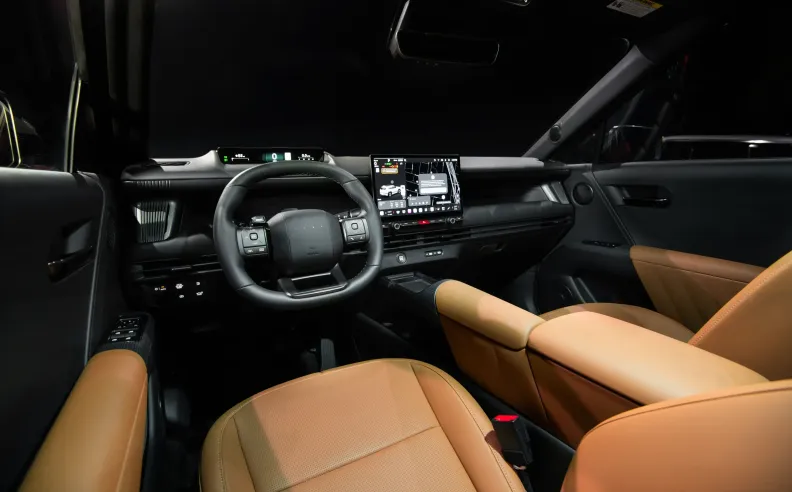
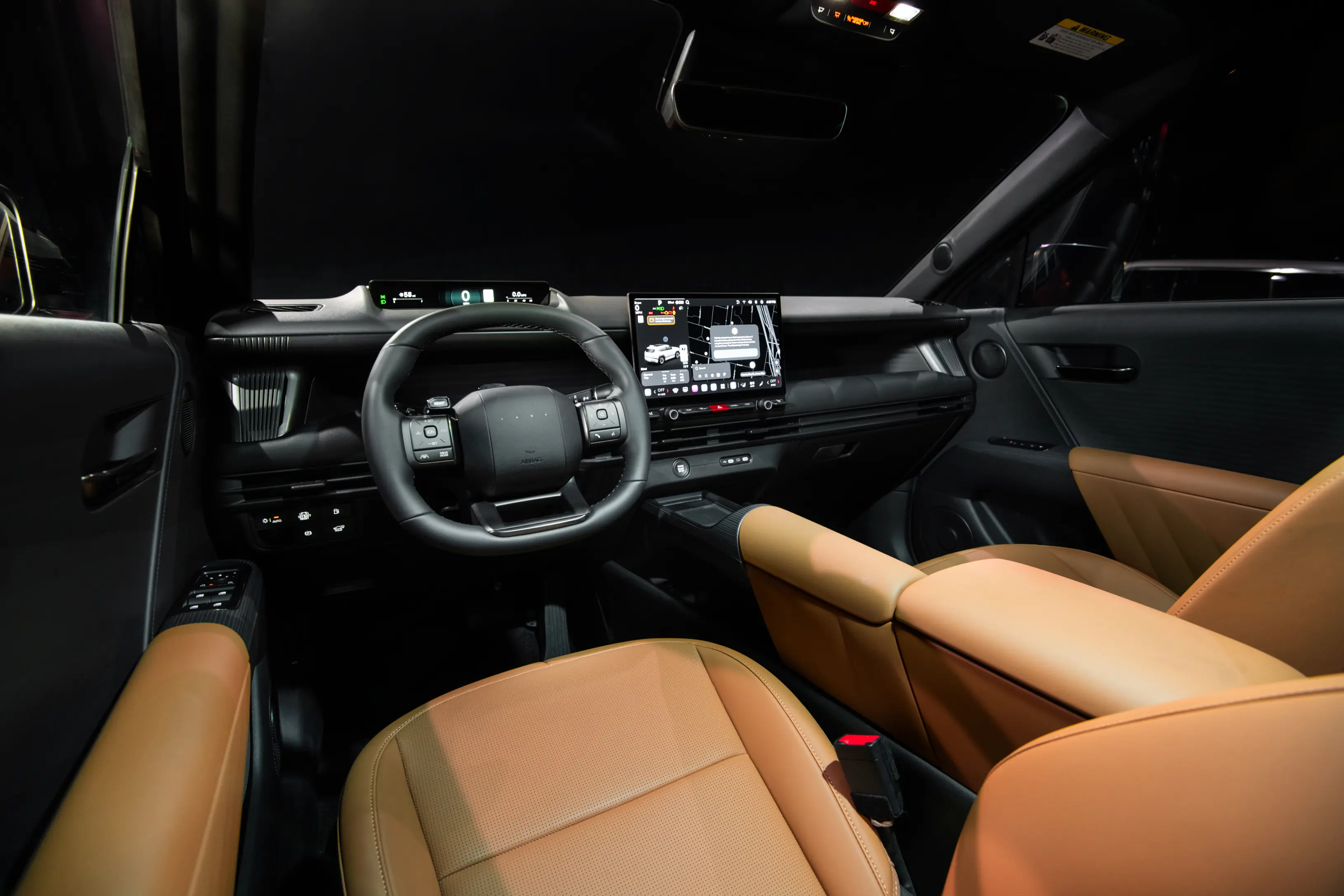
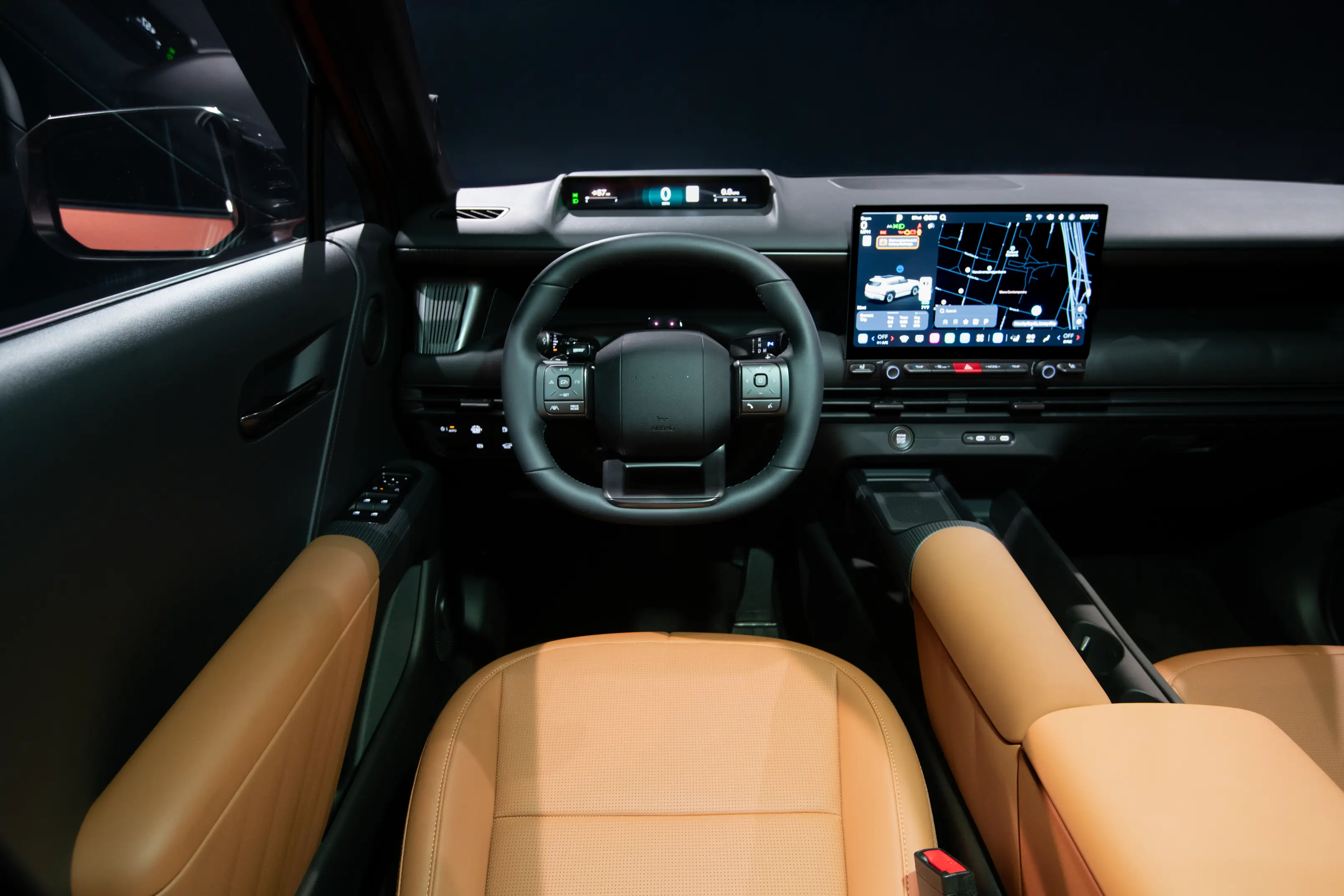
The cabin receives a significant digital transformation with a modern driver display and a large central infotainment screen integrated into a cleaner dashboard design. Hyundai still keeps important physical controls within easy reach, helping drivers operate key functions without becoming completely dependent on touchscreens.
One of the most interesting additions is Stay Mode. The system can use electrical energy from the battery to operate features such as climate control and entertainment while the vehicle is stationary, reducing the need to keep the combustion engine running. This can improve comfort while also reducing unnecessary fuel consumption and emissions.
Hyundai offers several powertrain options depending on the market and customer needs. The lineup includes a 1.6 liter turbocharged gasoline engine alongside a conventional 2.0 liter option.
Drivers looking for greater efficiency can choose HEV hybrid and Plug in Hybrid configurations, combining electric assistance with gasoline power. Front wheel drive and all wheel drive configurations are also available, giving buyers more flexibility depending on whether their priority is everyday efficiency, added traction, or more adventurous driving.
The new Hyundai Tucson brings together stronger design, more cabin technology, improved efficiency, and greater versatility. It remains one of the most important competitors in the crossover segment, but now arrives with an even broader personality that can appeal to daily commuters, families, and drivers looking for more capability.
Watch the full M283 video to experience the new Hyundai Tucson in detail, explore its redesigned exterior and cabin, and see how its latest off road and hybrid technologies perform behind the wheel.

Started my career in Automotive Journalism in 2015. Even though I'm a pharmacist, hanging around cars all the time has created a passion for the automotive industry since day 1.


 SHARE
SHARE

 SEE FULL GALLERY