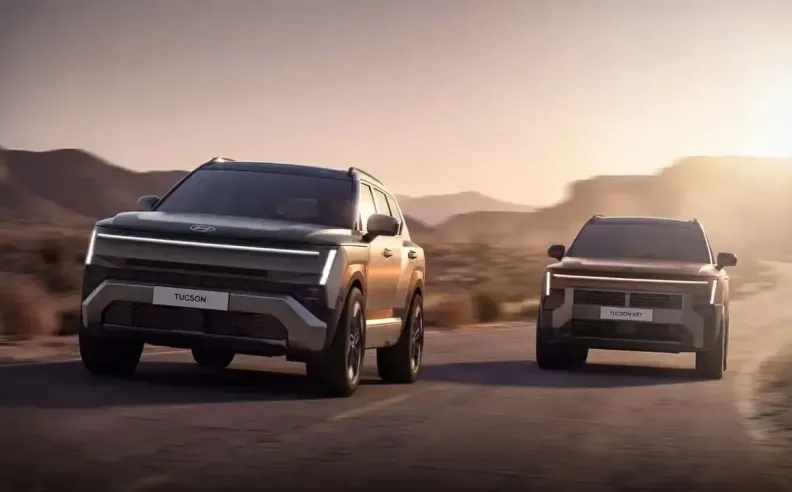
Hyundai has fully revealed the 2027 Tucson XRT, giving the fifth generation compact SUV a more adventurous personality without turning it into an extreme off road machine.
The XRT combines tougher exterior details with standard HTRAC all wheel drive and the broader improvements introduced with the latest Tucson generation. More interior space, better sound insulation and improved aerodynamics make this version as focused on everyday comfort as it is on outdoor inspired style.
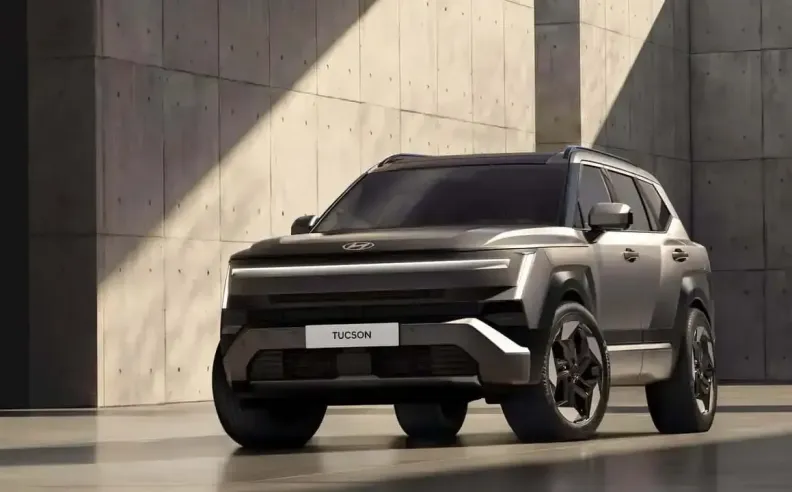
The Tucson XRT receives several exclusive exterior elements designed to give it a more rugged appearance than the standard model.
At the front, a more rectangular grille treatment creates a stronger visual presence, while substantial front and rear lower protection elements reinforce its adventure focused character.
Wide black wheel arch cladding adds another layer of protection inspired styling and features textured details influenced by forged carbon fiber. Exclusive black wheels complete the look and incorporate XRT lettering into their design.
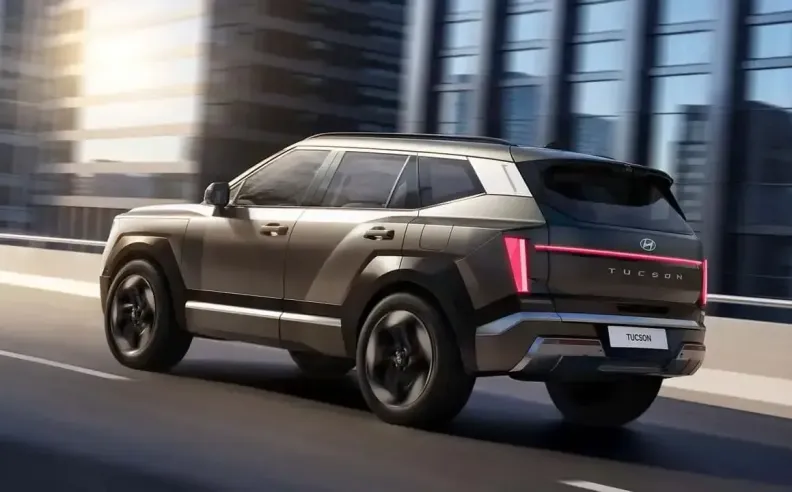
An HTRAC badge at the rear confirms that all wheel drive comes standard on the XRT, giving the tougher styling some additional mechanical substance.
The Tucson XRT is not positioned as an extreme rock crawling SUV. Instead, it gives buyers a more adventurous appearance while retaining the comfort and practicality expected from the Tucson.
Standard HTRAC all wheel drive adds useful traction capability, while the revised suspension, improved insulation and larger cabin make the vehicle better suited to everyday driving and longer journeys.
The 2027 Hyundai Tucson XRT ultimately offers a different interpretation of the modern adventure focused crossover. It looks tougher and feels more purposeful, but its biggest improvements remain the ones owners can appreciate every day through better space, refinement, stability and aerodynamic efficiency.
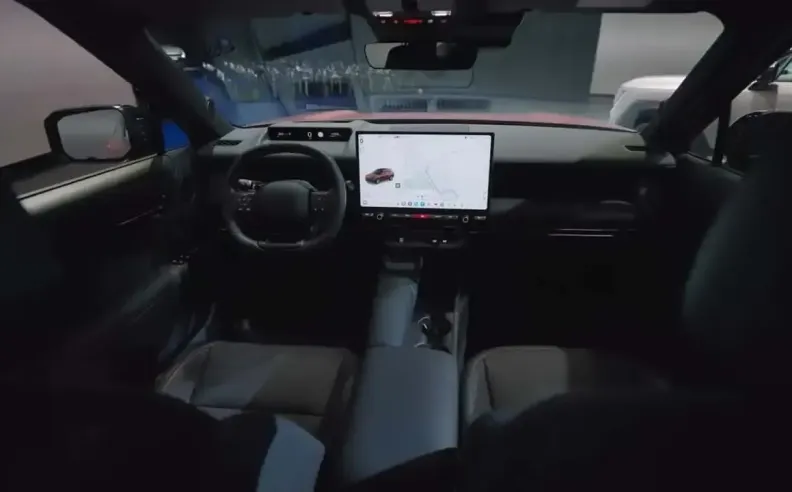
The fifth generation Tucson has grown in several important dimensions, creating a roomier cabin for passengers.
Overall length has increased by 60 mm, while width grows by 40 mm and the wheelbase gains another 30 mm. These changes translate into more usable passenger space, particularly in the rear.
Hyundai has also increased the rear door opening angle to 83 degrees, making it easier for passengers to enter and exit the vehicle.
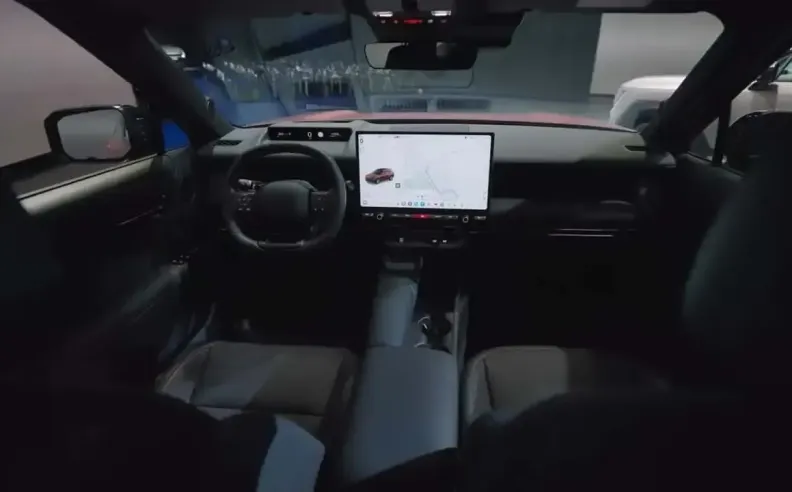
The XRT builds on that practical cabin with exclusive seat patterns, dark metal inspired trim and protective rubber floor mats for both seating rows.
Hyundai has introduced several changes designed to reduce noise and unwanted vibration inside the latest Tucson.
Additional sound insulation has been installed beneath the front floor, while thicker windshield glass helps reduce wind noise at higher speeds.
Engine mounts and suspension components have also been revised to better control vibration and unwanted body movement.
These improvements are particularly important for the XRT because they allow Hyundai to combine its tougher visual character with the refinement expected from an everyday family crossover.
One of the most interesting engineering improvements is hidden behind the Tucson more upright and squared exterior design.
Despite that tougher shape, Hyundai has reduced the drag coefficient from 0.33 to 0.30, making the new generation more aerodynamically efficient than its predecessor.
Active air elements help manage airflow around the vehicle, while aerodynamic wheel details and improvements beneath and around the rear of the body reduce turbulence.
The result demonstrates how a vehicle can adopt a more rugged visual identity without necessarily sacrificing aerodynamic efficiency.

Started my career in Automotive Journalism in 2015. Even though I'm a pharmacist, hanging around cars all the time has created a passion for the automotive industry since day 1.


 SHARE
SHARE