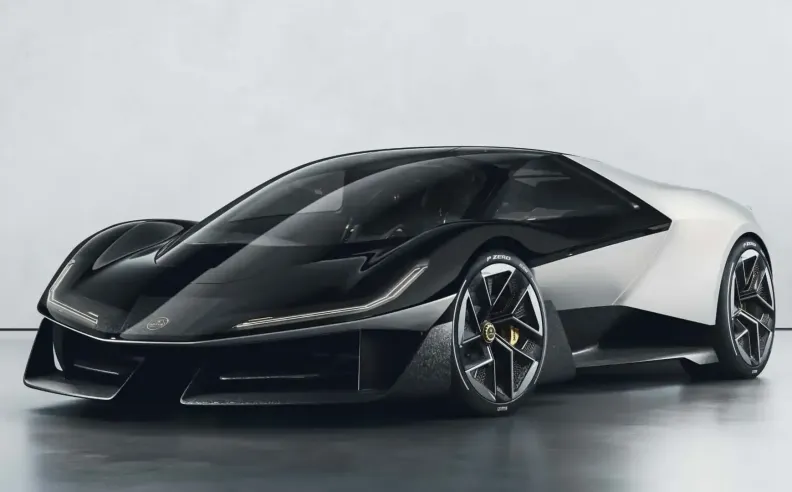
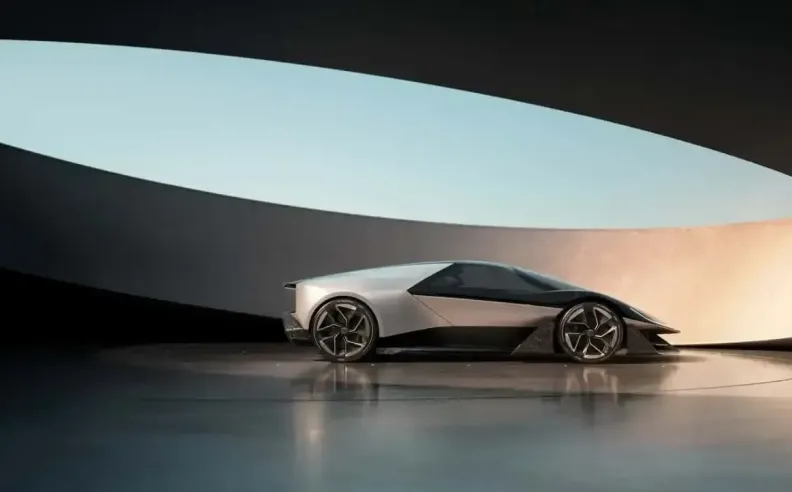
Lotus is changing its future product strategy with plans for a new hybrid supercar that could bring combustion power back to the heart of the British performance brand. Known internally as Type 135, the upcoming model is expected to arrive around 2028 and could also revive the legendary Esprit name.
The new supercar is being positioned between the lightweight Emira sports car and the fully electric Evija hypercar. Rather than abandoning electrification, Lotus appears to be combining electric technology with the sound, response and character of a combustion engine.
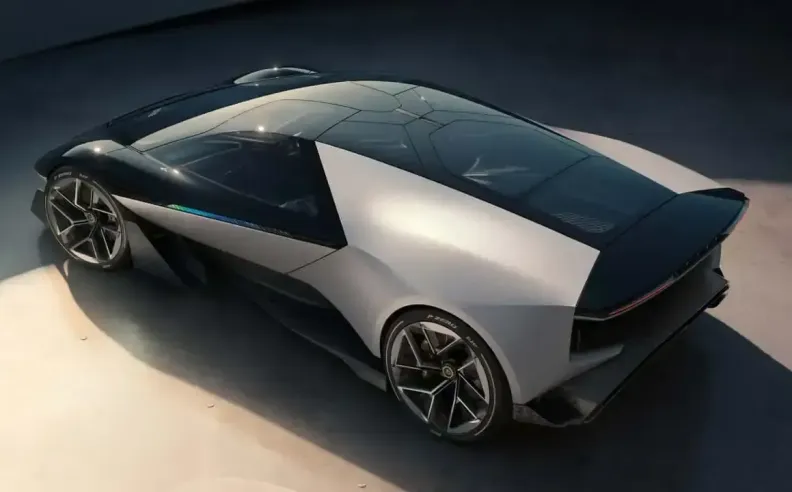
Lotus is reportedly developing a hybrid V8 powertrain capable of producing more than 1000 horsepower. The combustion engine would work alongside electric assistance to deliver supercar performance while maintaining the mechanical character traditionally associated with Lotus.
A V6 version is also being considered, potentially using technology developed through Horse, the powertrain partnership involving Geely and Renault.
Lotus is also expected to use a dual clutch automatic transmission capable of handling the high torque output without adding unnecessary mass.
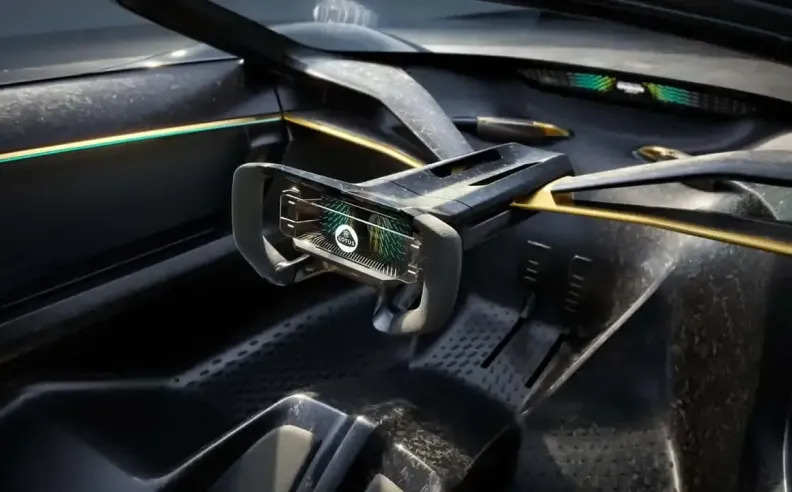
Weight remains one of the biggest challenges for the project. Lotus is targeting a total vehicle weight of around 1500 kilograms despite the addition of batteries, electric motors and an 800 volt electrical architecture.
The company is exploring extremely lightweight electric motor technology inspired by motorsport. One example cited in the development program reduces the weight of a 150 kW electric motor from around 95 kilograms to approximately 20 kilograms.
Reducing the mass of the motors, battery and supporting hardware will be essential if the Type 135 is to retain the agile handling and steering response that have defined Lotus sports cars for decades.
The Type 135 could become a spiritual successor to the famous Lotus Esprit, one of the most recognizable models in the history of the brand.
Its position above the Emira would give Lotus a new flagship focused on traditional supercar proportions and extreme performance, while hybrid technology would allow it to combine combustion power with modern electric assistance.
If the Esprit name returns, the new model would represent a very different interpretation of the original formula. Lightweight engineering and driver involvement would remain central, but performance could rise beyond 1000 horsepower.
The Type 135 forms part of the updated Lotus Focus 2030 strategy, which moves away from an immediate transition to an entirely electric lineup.
Instead, Lotus plans to offer a broader mix of combustion engines, plug in hybrid technology and fully electric vehicles. This approach gives the company more flexibility as customer demand and charging infrastructure continue to develop across different global markets.
For enthusiasts, the change also means combustion engines could remain part of the Lotus experience for longer than previously expected. The Type 135 could therefore become one of the most important cars in the next chapter of the brand, combining advanced electrification with the lightweight engineering and emotional driving experience that made Lotus famous.

Started my career in Automotive Journalism in 2015. Even though I'm a pharmacist, hanging around cars all the time has created a passion for the automotive industry since day 1.


 SHARE
SHARE