Lucid Motors is preparing for its biggest expansion yet as it moves beyond premium electric cars and into the competitive midsize market. Following the Air luxury sedan and the larger Gravity SUV, the company is developing the Cosmos and Earth as more accessible electric models. The new vehicles will share an advanced midsize platform and target popular rivals including the Tesla Model Y and Rivian R2. With efficient engineering, fast charging, advanced driving technology, and production plans connected to Saudi Arabia, the new lineup could become an important step in Lucid's push toward higher sales and profitability.
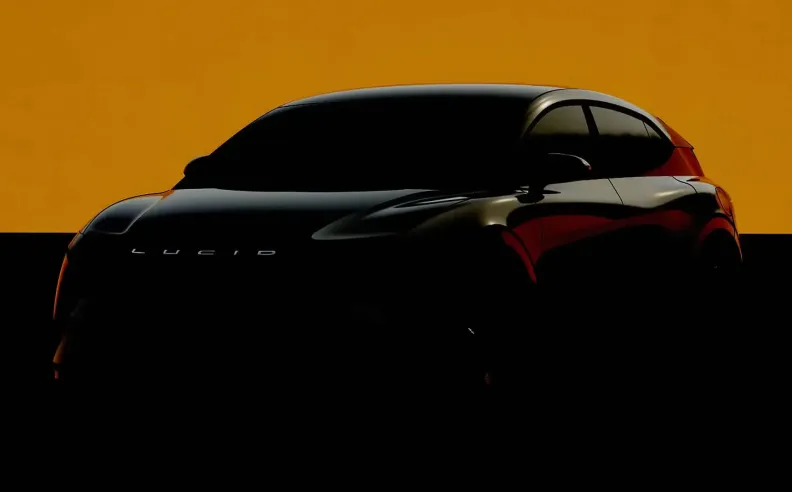
Lucid is giving each model a distinct personality while sharing as much as 95 percent of their structural components to reduce production costs. Patent drawings reveal the Cosmos as a smaller and sportier relative of the Gravity, featuring a sloping roofline and a distinctive rear spoiler that crosses the rear glass. The aerodynamic design is expected to achieve a drag coefficient of only 0.22, helping improve efficiency and driving range.
The Earth will take a more adventurous direction with a taller and boxier shape designed to appeal to drivers interested in outdoor activities and rough terrain. Lucid is also planning a third model based on the same platform, allowing the company to expand its range while sharing key engineering and manufacturing components.
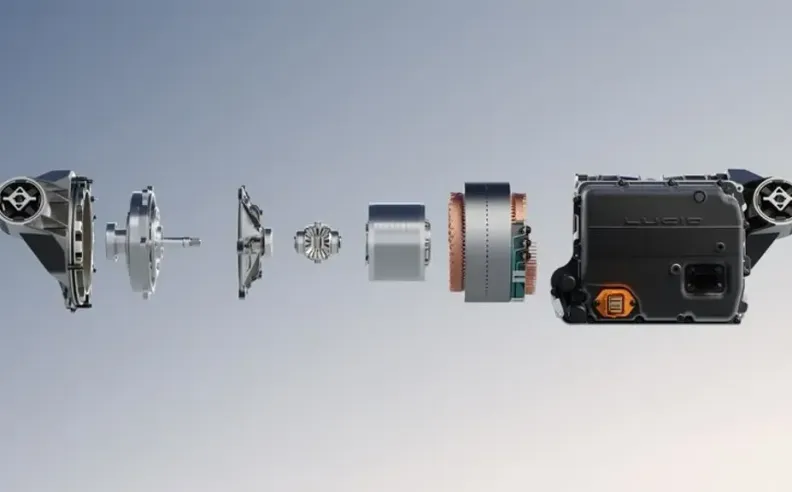
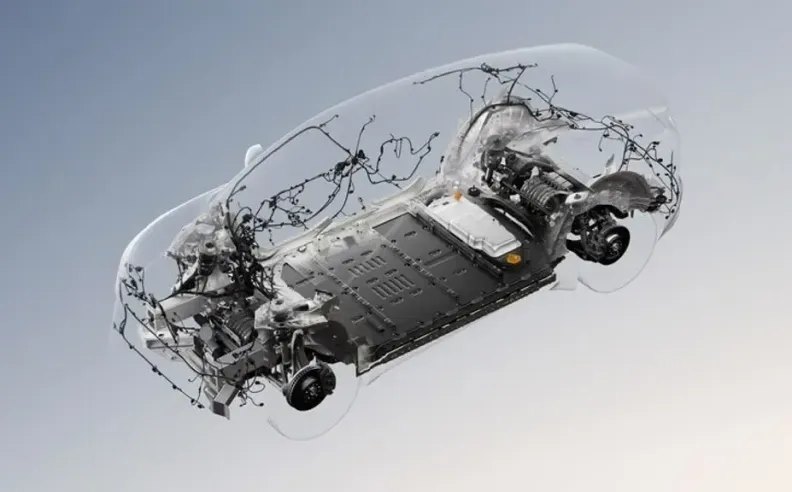
Powering the new platform is the Atlas Drive Unit, which replaces the previous Zeus system. Lucid says the new unit is 23 percent lighter and uses 30 percent fewer parts. It delivers a power density of 4.9 horsepower per kilogram, while higher performance versions are expected to accelerate from 0 to 60 mph in just 3.5 seconds.

Lucid is targeting approximately 300 miles (482 kilometers) of driving range from a relatively compact 69 kWh battery. The company expects efficiency of around 4.5 miles per kWh, allowing the Cosmos to deliver competitive range without relying on an oversized and expensive battery pack.
The Cosmos will also use an 800 volt electrical architecture, giving it a technical advantage over rivals that use 400 volt systems. The charging system is expected to add around 200 miles of range in only 14 minutes, while bidirectional charging support could allow the battery to supply energy to compatible external systems.
Inside, Lucid plans to introduce a wide 36 inch display extending across the dashboard and surrounding the driver with essential information. The Cosmos is also expected to become Lucid's first vehicle designed with future Level 4 autonomous driving capability in mind. Working with NVIDIA technology and Drive AGX Thor processors, the system will combine lidar, radar, and cameras. The vehicle is expected to launch with Level 2 driver assistance before receiving more advanced capabilities through future software updates.
Lucid plans to begin Cosmos production by the end of 2026 at its manufacturing facility in Saudi Arabia. Production at the company's Arizona facility is expected to follow around 6 to 12 months later, with the vehicle reaching global markets as a 2028 model.
Entry versions of the Lucid Cosmos are expected to start below $50,000. This would position the vehicle slightly above lower priced Tesla Model Y versions while placing it closer to better equipped all wheel drive models.
Lucid is also developing the Cosmos with repair costs in mind. Its body structure combines steel and aluminum in a design intended to make repairs easier and potentially reduce insurance expenses. According to current expectations, this approach could lower annual insurance costs by around $1,000 compared with some competing electric vehicles. Combined with Saudi production, efficient battery technology, and a more accessible price, the Cosmos could become one of the most important vehicles in Lucid's future lineup.

Started my career in Automotive Journalism in 2015. Even though I'm a pharmacist, hanging around cars all the time has created a passion for the automotive industry since day 1.


 SHARE
SHARE