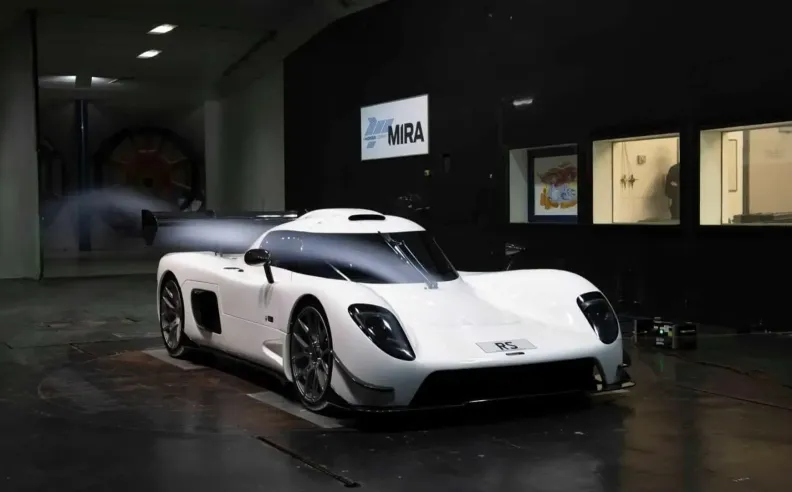
A new American supercar is entering territory dominated by some of the fastest performance machines on the market. Peregryn Automotive is preparing the GTR as a lightweight mid engine supercar focused on mechanical engagement, extreme acceleration and a dramatically different philosophy from the Chevrolet Corvette ZR1.
The company acquired the intellectual property and manufacturing tooling related to the British Ultima sports car range and is moving production of the Peregryn GTS and GTR to the United States.
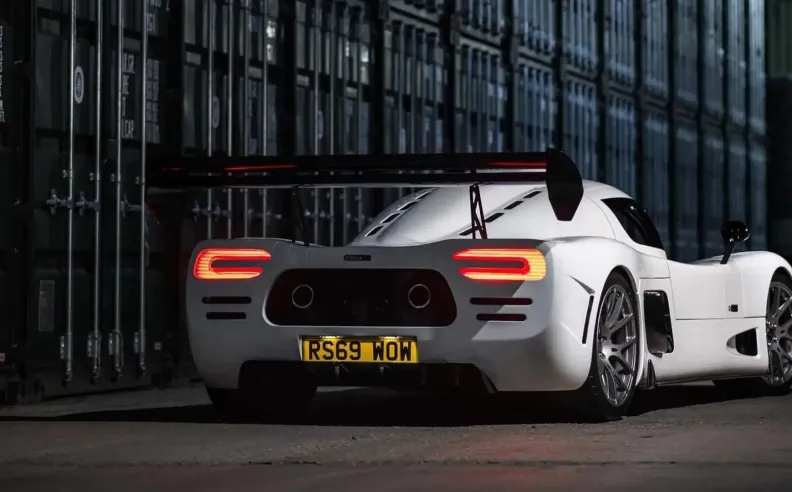
Rather than chasing extreme horsepower figures through increasingly complicated technology, Peregryn focuses on a simple formula. Combine a powerful General Motors V8 with very little weight, racing hardware and minimal interference between the driver and the machine.
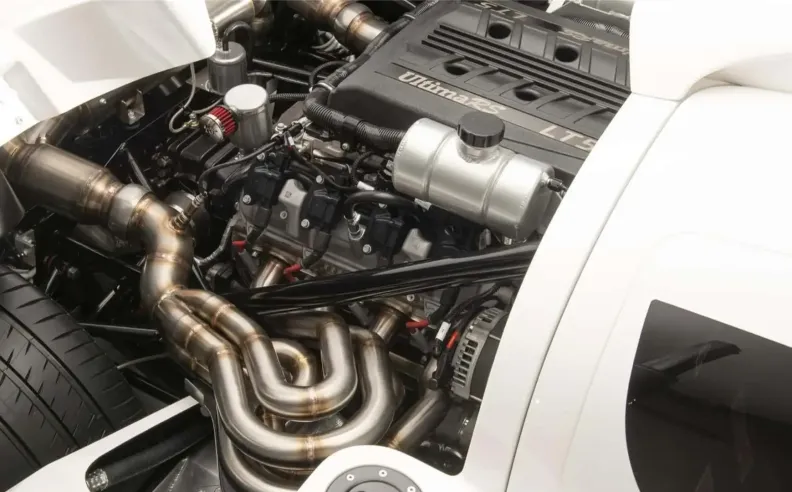
Uses the Peregryn GTR a 6.2 liter V8 from the Chevrolet LS and LT engine family, producing more than 700 horsepower.
That figure might seem modest beside modern hypercars delivering four digit outputs, but the GTR has another major advantage. Its dry weight is only around 952 kilograms.
The resulting power to weight ratio allows the GTR to accelerate from zero to 60 mph in around 2.2 seconds. That puts its straight line performance alongside some significantly more powerful supercars.
Transfers power a sequential racing transmission rather than the more conventional dual clutch setup found in many modern performance cars. This choice reinforces the raw character Peregryn wants to deliver.
Takes Chevrolet a very different approach with the latest Corvette ZR1. Uses the American supercar a 5.5 liter twin turbo V8 and combines massive power with advanced electronics, sophisticated chassis technology and the refinement expected from a major manufacturer.
Prioritizes Peregryn weight reduction and simplicity instead. The GTR is designed around the idea that removing mass can be just as effective as adding horsepower.
Creates this philosophy a car that feels closer to a dedicated racing machine than a traditional road focused supercar. The ZR1 offers greater everyday usability, technology and manufacturer support, while the Peregryn places greater emphasis on direct mechanical feedback.
Targets Peregryn customers who value the physical experience of driving more than luxury features or digital convenience.
Removes much of the complexity associated with modern premium supercars and focuses instead on lightweight construction, racing inspired controls and direct mechanical communication.
Makes this approach the GTR particularly interesting for collectors and track enthusiasts who prefer a more analog driving experience. Owners will sacrifice some refinement and sound insulation in exchange for a stronger connection between driver, engine and road.
The sequential gearbox also contributes to this character, bringing the experience closer to competition machinery than the smooth automatic systems commonly found in modern supercars.

Started my career in Automotive Journalism in 2015. Even though I'm a pharmacist, hanging around cars all the time has created a passion for the automotive industry since day 1.


 SHARE
SHARE