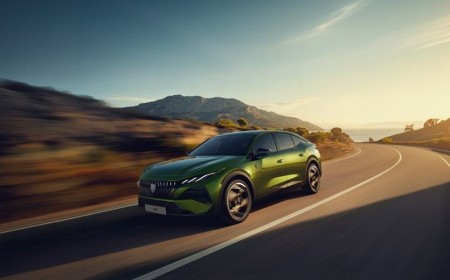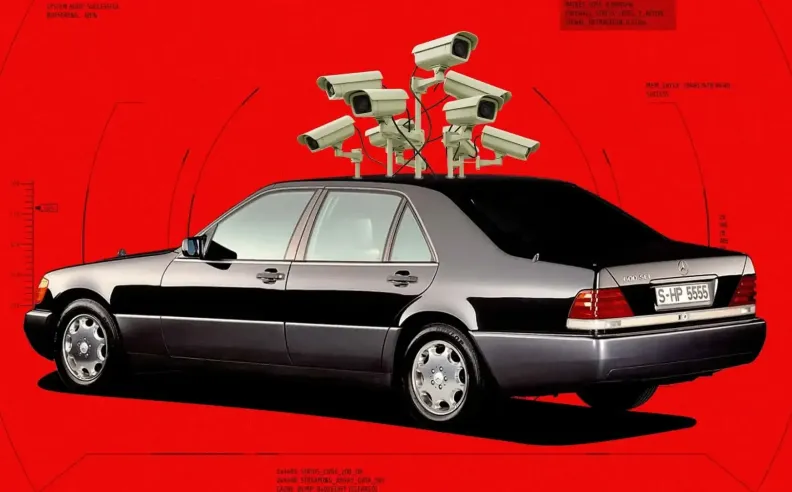
Modern conversations about self driving cars often focus on Tesla and its bold push toward full automation. Yet, the real story stretches back decades before Silicon Valley turned the idea into a business. Long before today’s electric cars and advanced sensors, engineers were already experimenting with vehicles that could see, think, and react.
Across Japan, Europe, and the United States, researchers built the foundation step by step. What started as limited experiments on closed tracks slowly turned into real highway driving, and eventually into the smart systems we see today. By 2026, autonomous driving is no longer just a concept. It is a growing industry shaped by decades of innovation, failure, and breakthrough moments.
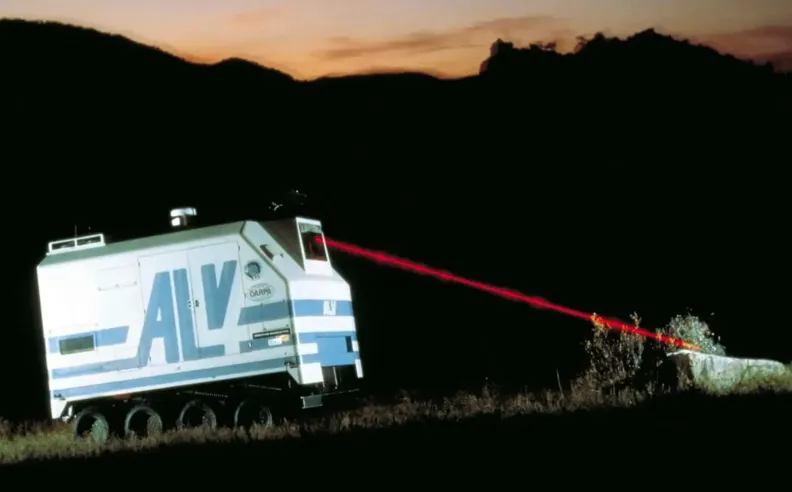
Start the journey in 1977 when engineers at Japan’s Tsukuba Mechanical Engineering Lab created one of the first experimental self driving vehicles. Instead of relying on modern sensors, the system used two roof mounted cameras to capture images of the road. Process these images through a basic onboard computer, and the car could follow lane markings using early computer vision.
Keep expectations realistic though. Limit the speed to around 30 km per hour and restrict testing to controlled environments. Avoid real traffic and unpredictable conditions because the system could not adapt to sudden changes. Even with these limits, this breakthrough proved one critical idea. Teach a machine to see the road, and it can begin to drive itself.
This early experiment laid the groundwork for everything that followed. It showed that software and visual data could guide a vehicle, which later became a core principle in modern autonomous systems.
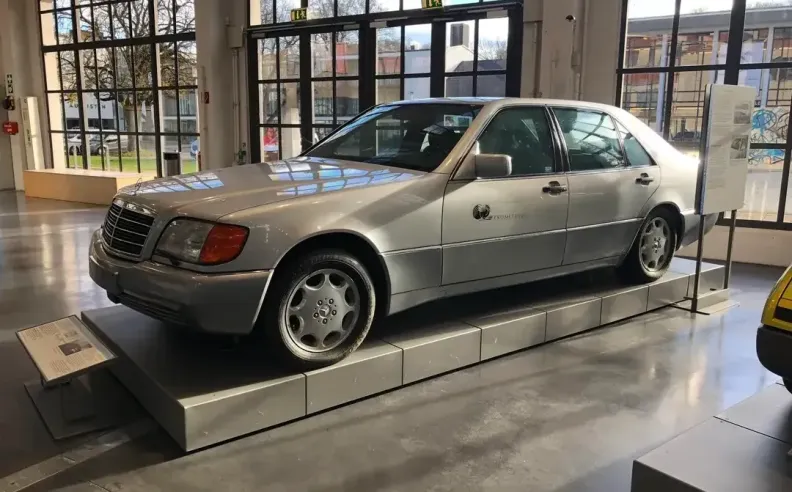
Push the technology forward in Europe during the 1980s and 1990s, where Mercedes-Benz took a leading role. Under Professor Ernst Dickmanns, engineers developed vehicles capable of controlling steering, braking, and speed using cameras and onboard computers.
Reach a major milestone in 1995 when a Mercedes S Class completed a 1000 mile autonomous journey between Germany and Denmark. Achieve speeds up to 180 km per hour while handling most of the trip without human input. Despite limitations with temporary road signs, this journey proved that autonomous driving could work in real world conditions.
Shift the focus to the United States, where DARPA transformed the field through competitive challenges. Failures in 2004 showed how difficult the problem was, but rapid progress followed. By 2005 and 2007, vehicles equipped with lidar and cameras successfully navigated deserts and urban environments, creating the blueprint for modern robotaxi systems.
Turn the technology into a business in Silicon Valley. Launch projects at Waymo and expand efforts from companies like Uber. Push further with Tesla’s Full Self Driving system, which promises automation but still requires driver responsibility in 2026.
Bring everything together today, where autonomous driving blends software, sensors, and AI into a growing industry. Despite major progress, keep one fact clear. The technology still supports the driver rather than fully replacing them, showing that the journey is not over yet.

Started my career in Automotive Journalism in 2015. Even though I'm a pharmacist, hanging around cars all the time has created a passion for the automotive industry since day 1.


 SHARE
SHARE