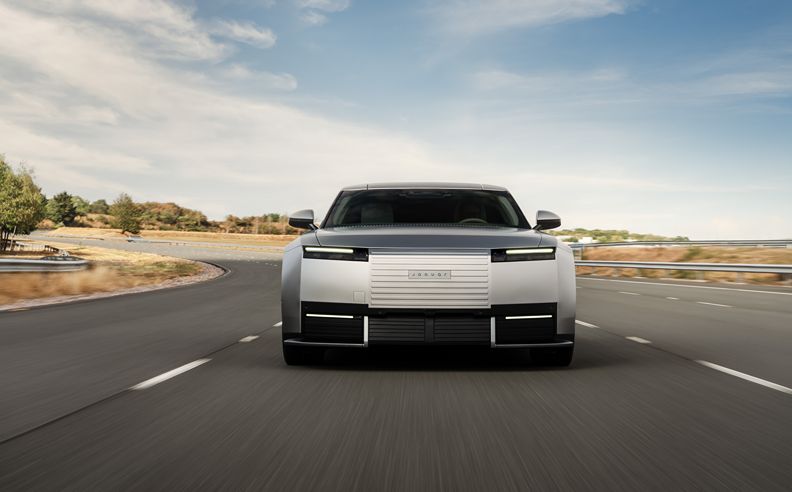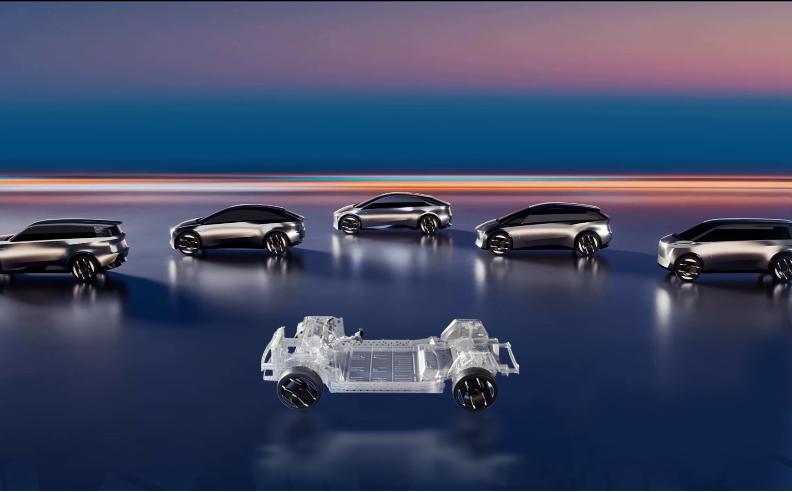
Stellantis today introduced STLA One, a modular vehicle architecture designed to support multiple powertrains and vehicle sizes. STLA One will have a modular, scalable architecture with common interfaces to reduce complexity, speed development and targets 20% cost efficiency, driven by modularity by design and new battery choices.
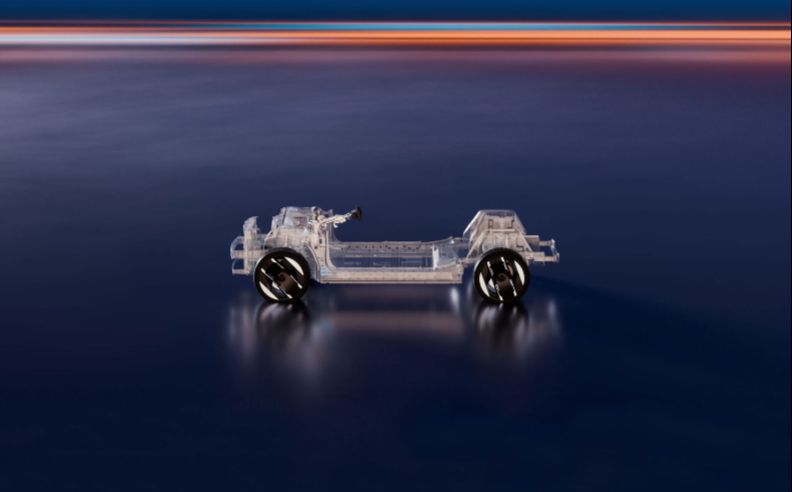
STLA One supports Stellantis’ platform optimization strategy. By 2030, the Company targets 50% of volume on three global platforms, with up to 70% component reuse. This platform strategy is designed to shorten time to market, strengthen supplier stability and improve cost efficiency.
“STLA One is a clear example of a truly modular strategy, giving us the flexibility of a multi-energy platform without carrying inefficiencies from One propulsion system to another,” said Ned Curic, Chief Engineering and Technology Officer.
STLA One covers B, C and D segments with a new modular architecture engineered with dedicated per energy by design to optimize efficiency for each propulsion type from the start. STLA One is also a key step in Stellantis’ push to compete on cost, simplify operations and strengthen competitiveness, closing the cost gap with best-in-class players operating in Europe.
Other key strategic advantages
Simplification at scale: Advanced technology architecture designed to reduce complexity while expanding market coverage
Global reach: Designed to support 30-plus models and grow to more than 2 million units by 2035
Modular by design: modular interfaces are designed to deliver the best possible performance for each type of energy use, supporting different powertrains
Technology and launch timing
STLA One is the first Stellantis platform slated to integrate STLA Brain, STLA SmartCockpit and steer-by-wire technology. This technology suite will support faster feature rollouts and enable each Stellantis brand to tailor the customer experience while reinforcing its distinct identity. Stellantis plans to launch STLA One in 2027.
Intelligent battery strategy
Scaling LFP (lithium iron phosphate): More LFP batteries to support affordability and reduce exposure to critical raw materials.
Cell-to-body integration: Battery integrated into the vehicle structure to reduce cost, weight and complexity, optimizing embedded energy.
STLA One will also be 800-volt capable, delivering very competitive charging time and a better real-world BEV experience.
This intelligent battery strategy is intended to improve BEV economics over time, through reduced battery costs and simpler integration.
STLA One is part of Stellantis’ effort to align hardware and software on a shared technology stack. The platform’s modular design can help speed development, reduce complexity and unlock scale efficiencies.
Forward-looking statements
These statements are based on current expectations and plans and are subject to risks and uncertainties that could cause actual results to differ materially.

Motor 283 is the biggest automotive website created by a team of automotive enthusiats and this author page is used to show the readers the press releases and news posted on Motor 283 website.


 SHARE
SHARE