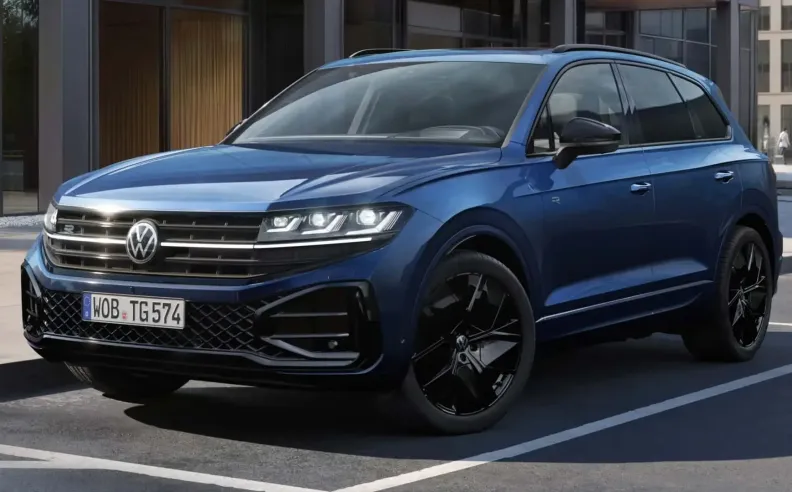
Modern vehicles depend on complex electronics, cameras and sensors that can be affected by even a minor fault. However, a third generation Volkswagen Touareg reportedly demonstrated remarkable mechanical and structural strength after surviving the pressure wave and flying debris caused by a ballistic missile explosion in Ukraine.
Shared by EMG Group, videos of the heavily damaged SUV attracted millions of views online. They revealed a vehicle with a crushed exterior, shattered glass and a cabin filled with dust and debris. Despite the destruction surrounding it, the Touareg reportedly started under its own power and remained capable of moving.
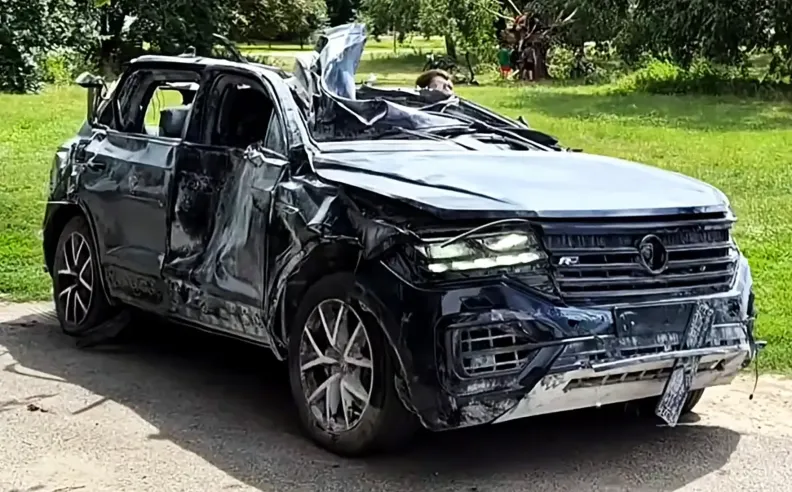
Destroyed the force of the blast much of the Touareg exterior. Bent roof pillars, damaged body panels and broken windows changed the appearance of the SUV almost completely. Entered dust and debris through the shattered glass, leaving the interior exposed to the aftermath of the explosion.
Maintained the lower structure and major suspension components a surprising level of stability despite the visible body damage. Helped the strong foundation of the Touareg protect important mechanical areas and keep the vehicle capable of supporting its own weight.
Uses the Volkswagen Touareg the MLB Evo platform, an advanced architecture also connected to luxury SUVs such as the Porsche Cayenne and Bentley Bentayga. Allows this platform engineers to combine a rigid structure with advanced suspension, safety systems and powerful engine options.
Does not mean the incident prove that the Touareg was designed to survive a direct missile strike. Appears the vehicle to have been damaged by blast pressure and debris rather than a confirmed direct impact. Still, showed the condition of the SUV how strong structural engineering can protect essential areas during an extreme event.
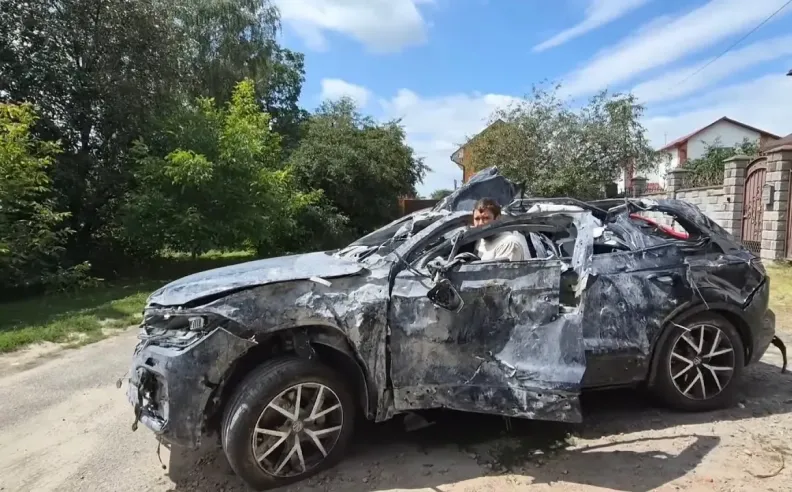
Created the most surprising moment when the driver pressed the start button. Started the engine quickly and reportedly ran smoothly, even though the body and cabin had suffered major damage.
Activated the digital instrument displays and central screen with normal lighting. Responded several controls to driver inputs, while the powered seats, climate system and exterior lighting also reportedly continued working.
Displayed the instrument panel several warnings because external cameras, radar units and safety sensors had been damaged or disconnected. Could not function the head up display normally because the windshield was no longer in place. These warnings showed that the vehicle recognized damaged components while keeping its main electrical network active.
Highlighted the incident the importance of protecting major wiring systems, electronic control units and mechanical components. Allowed this protection the Touareg to preserve basic functions even after many exterior systems had failed.
Prompted the videos some viewers to suggest sending the damaged SUV to the official Volkswagen museum in Germany. Would represent the Touareg there an unusual example of German engineering and structural durability under extraordinary conditions.
Does not make the Touareg an armored vehicle or guarantee similar results in another explosion. Provides the surviving SUV, however, a dramatic real world example of how strong construction and protected electronics can help a modern luxury SUV remain operational after severe damage.

Started my career in Automotive Journalism in 2015. Even though I'm a pharmacist, hanging around cars all the time has created a passion for the automotive industry since day 1.


 SHARE
SHARE