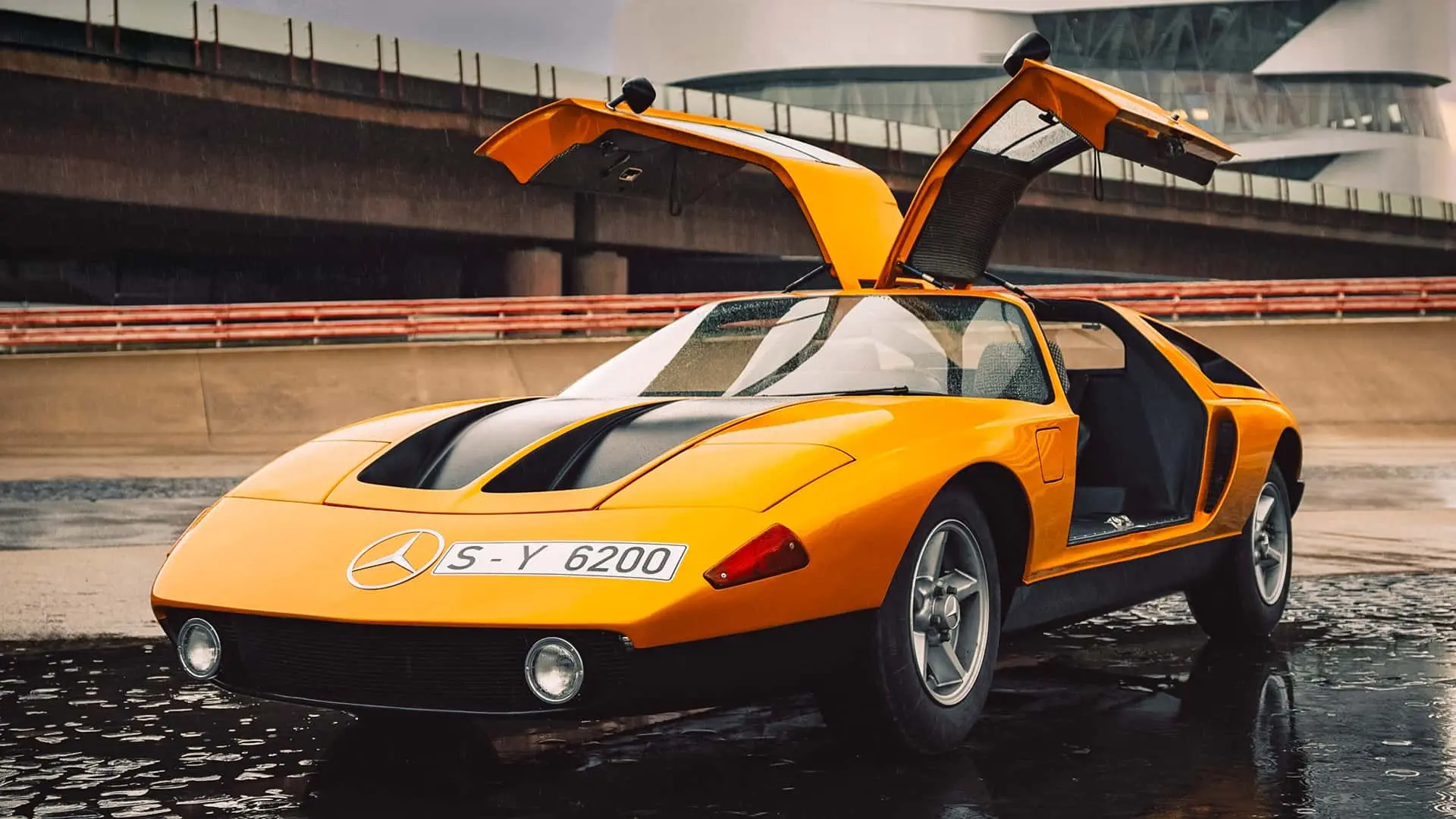
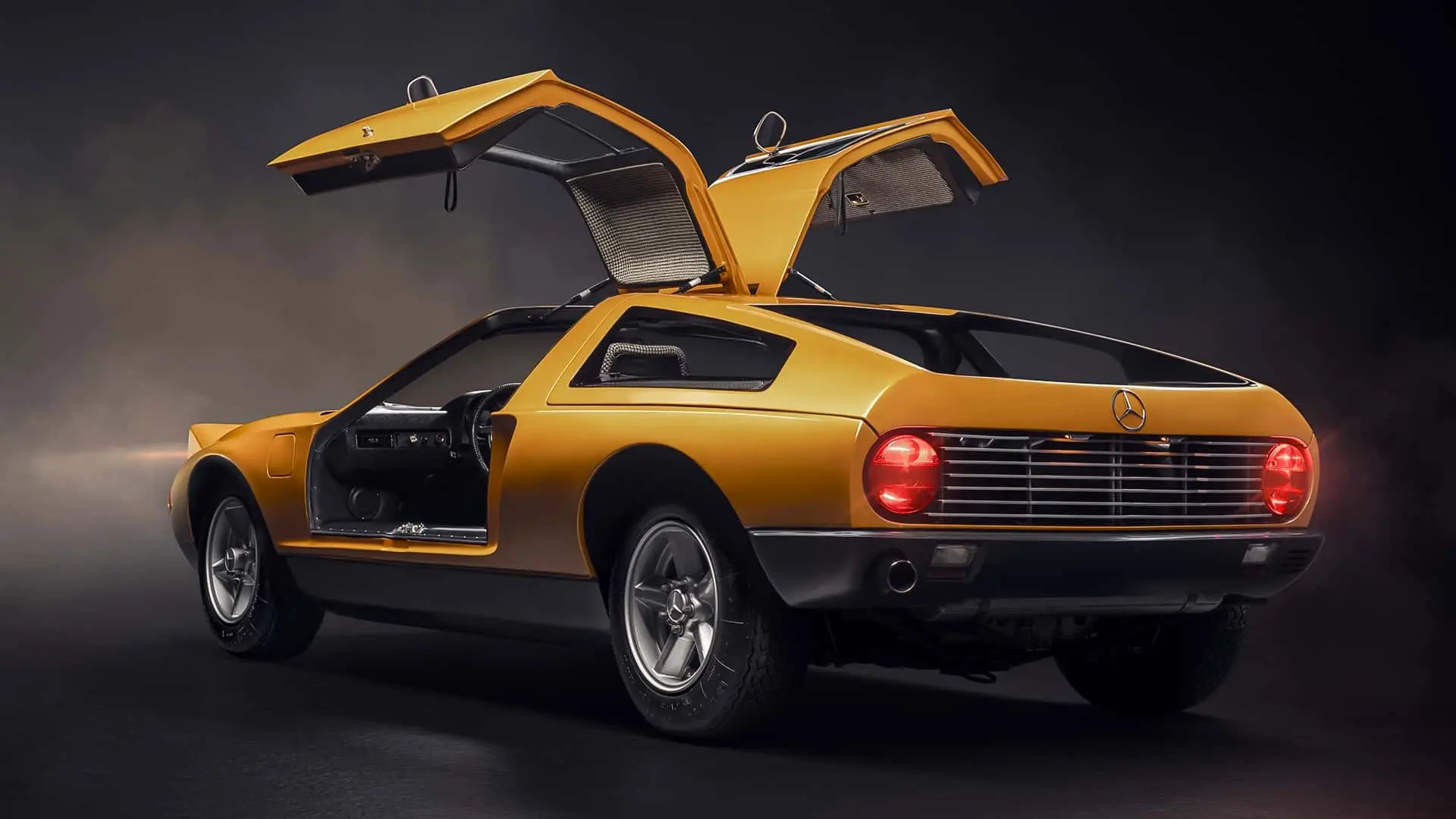
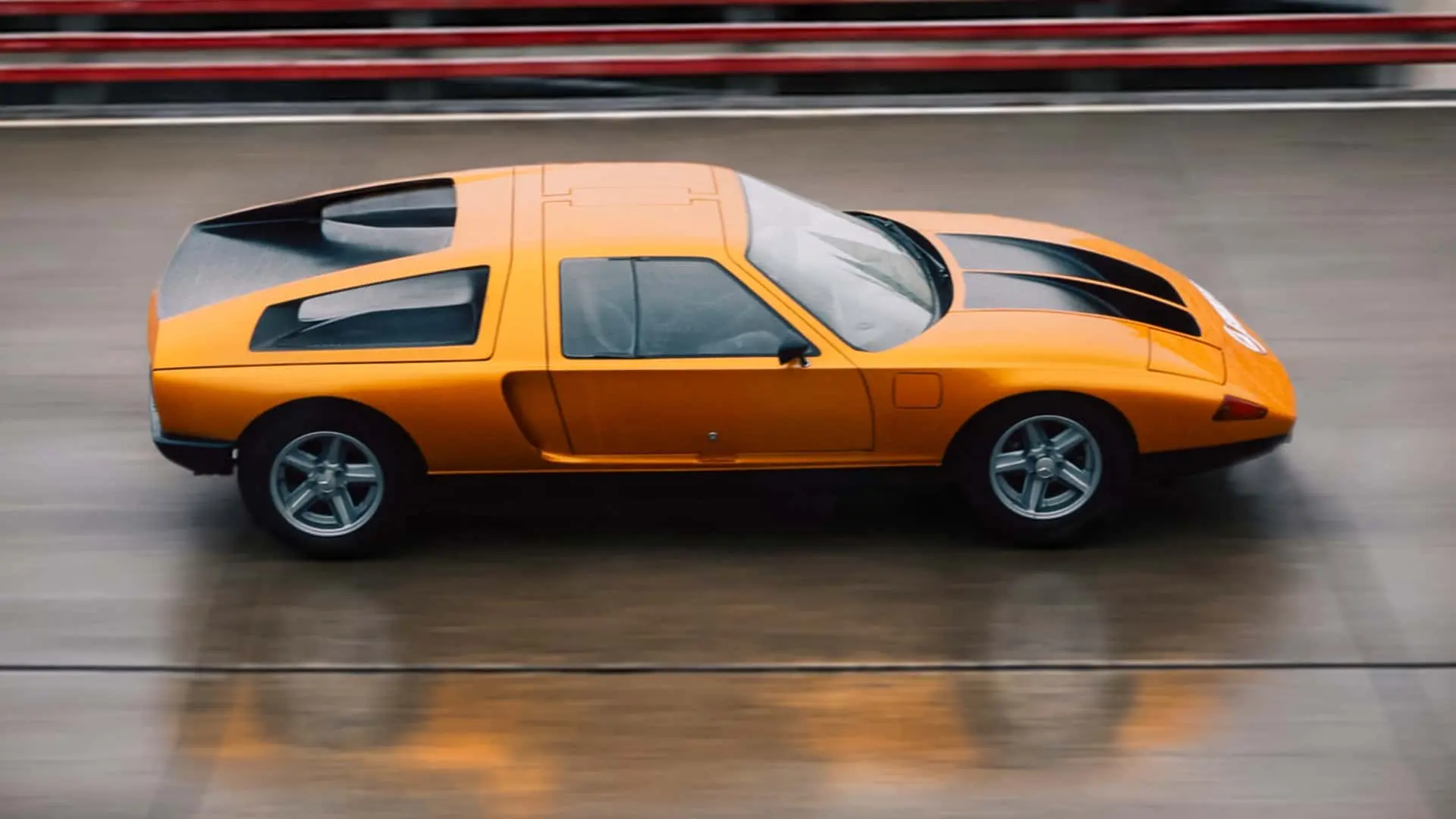
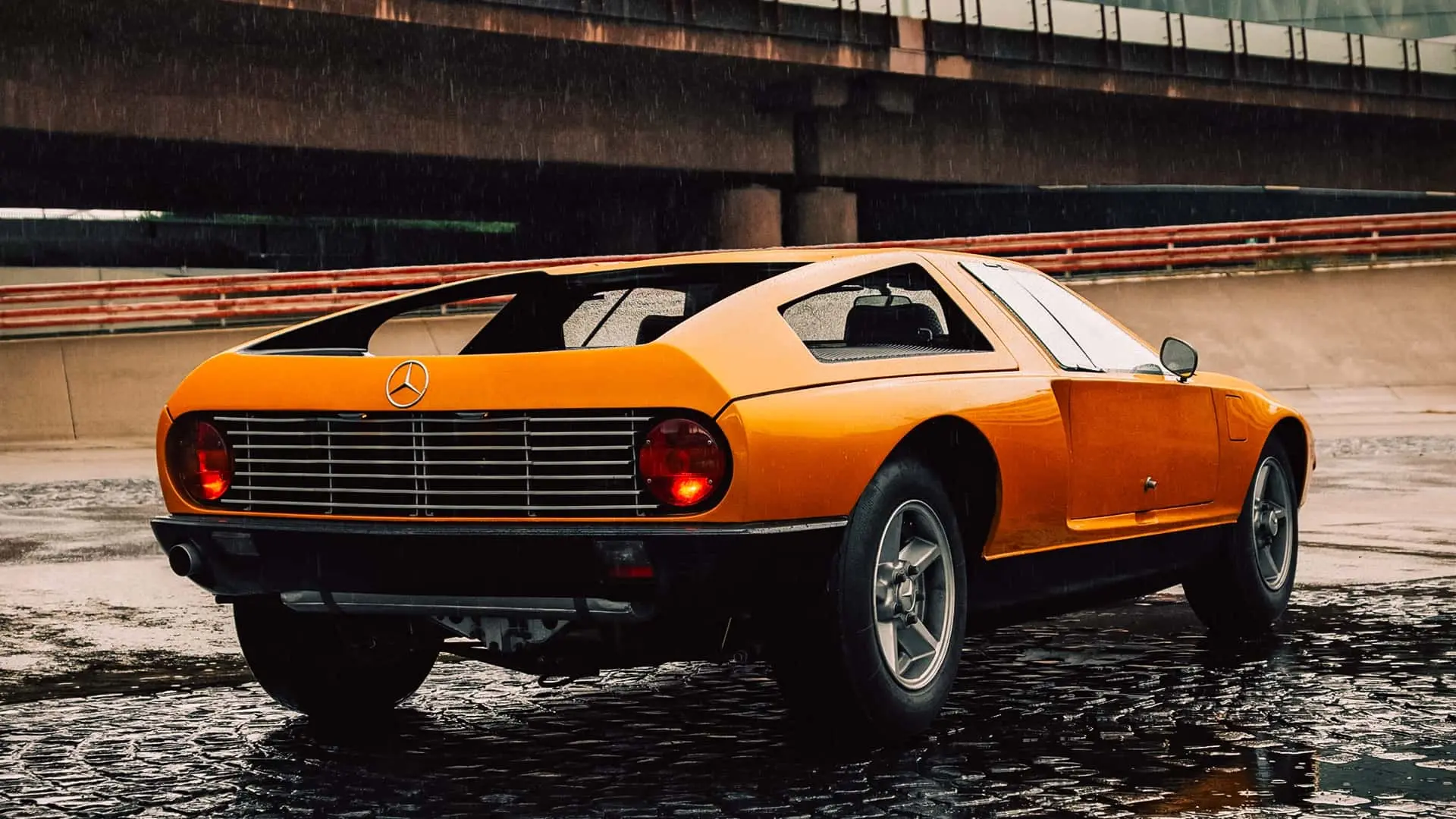
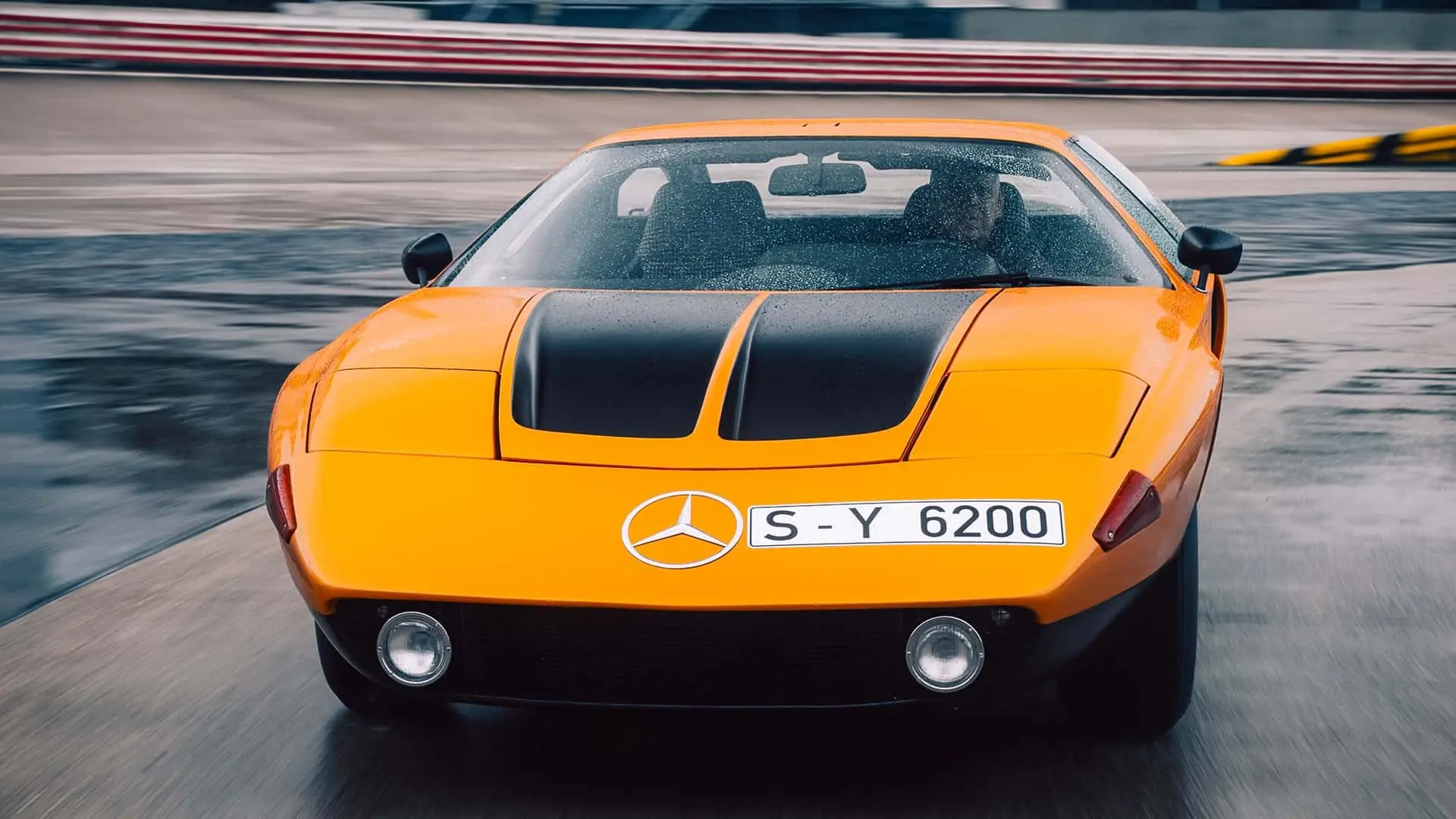
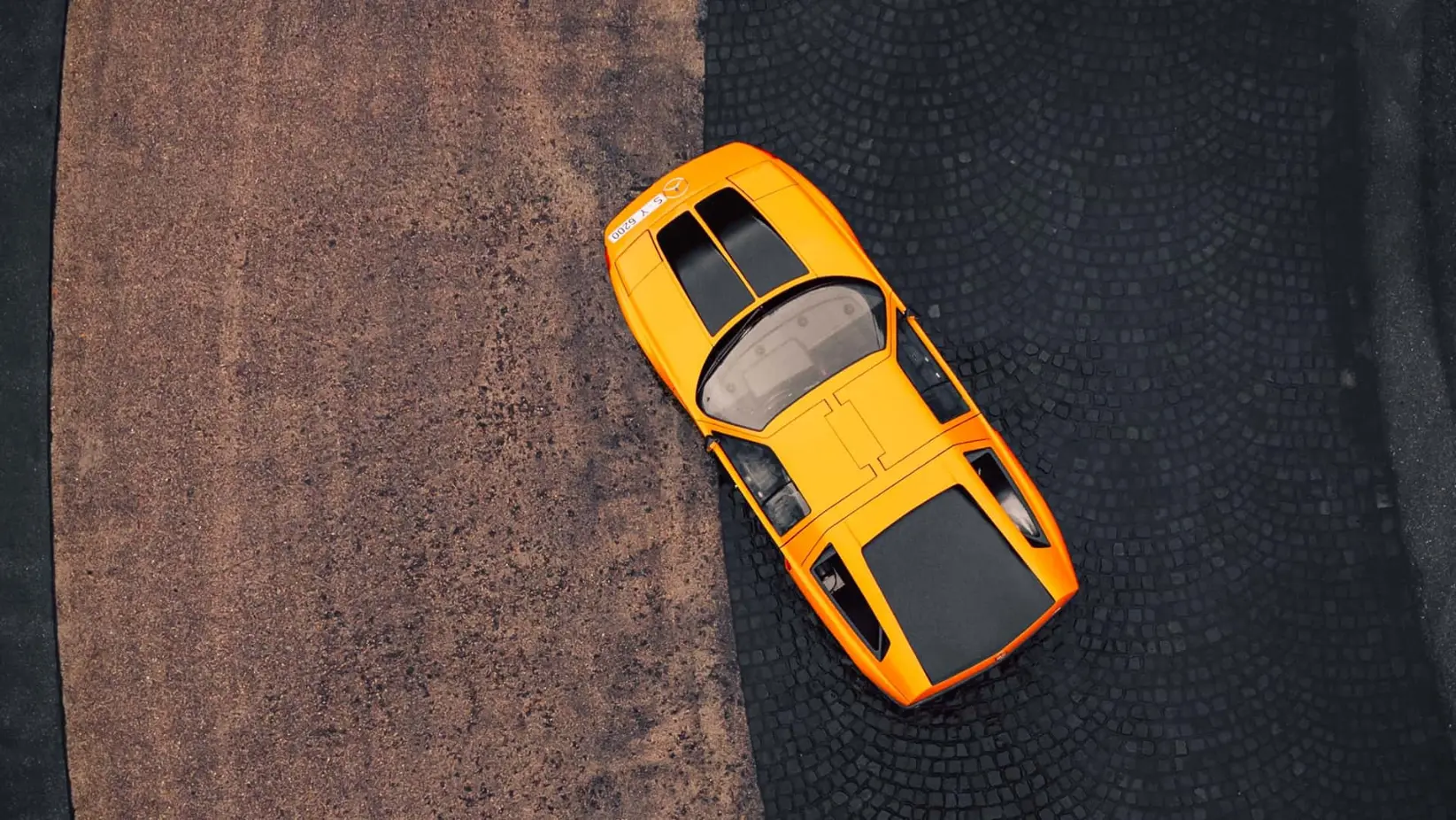
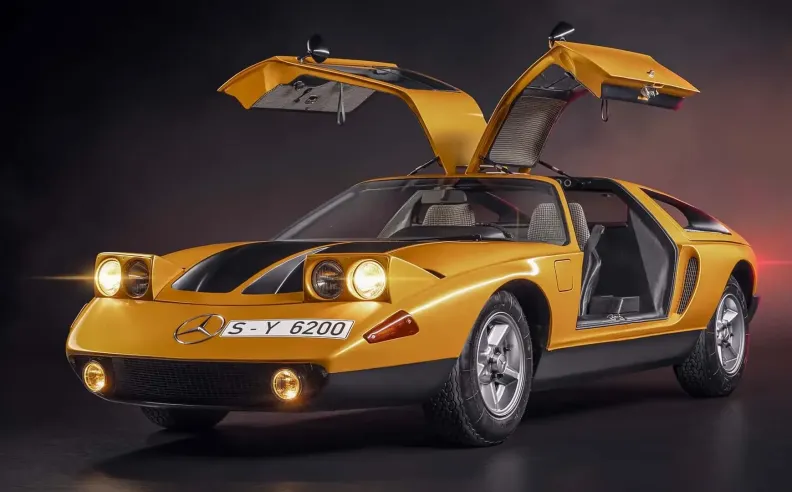
For more than five decades, the Mercedes Benz C 111 has remained one of the most fascinating experimental supercars ever created, admired for its futuristic design, revolutionary engineering, and extraordinary rarity. Now, Mercedes Benz is making automotive history by offering one of these legendary prototypes for public sale for the first time. The spectacular 1970 C 111 II, known internally as Car 33, will be auctioned by RM Sothebys at the Louvre Palace in Paris on February 3, 2027. With its distinctive orange bodywork, iconic gullwing doors, and remarkable rotary engine, this rare machine represents a unique opportunity for serious collectors. Mercedes has also committed to keeping all remaining examples out of the market for at least another 25 years.
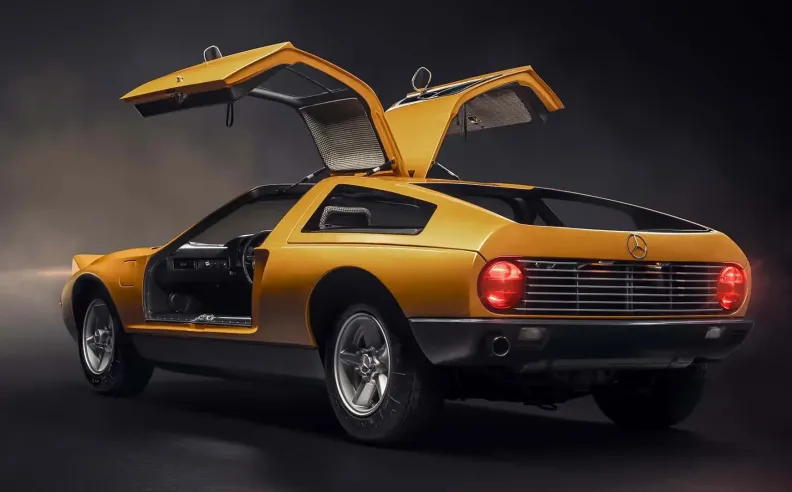
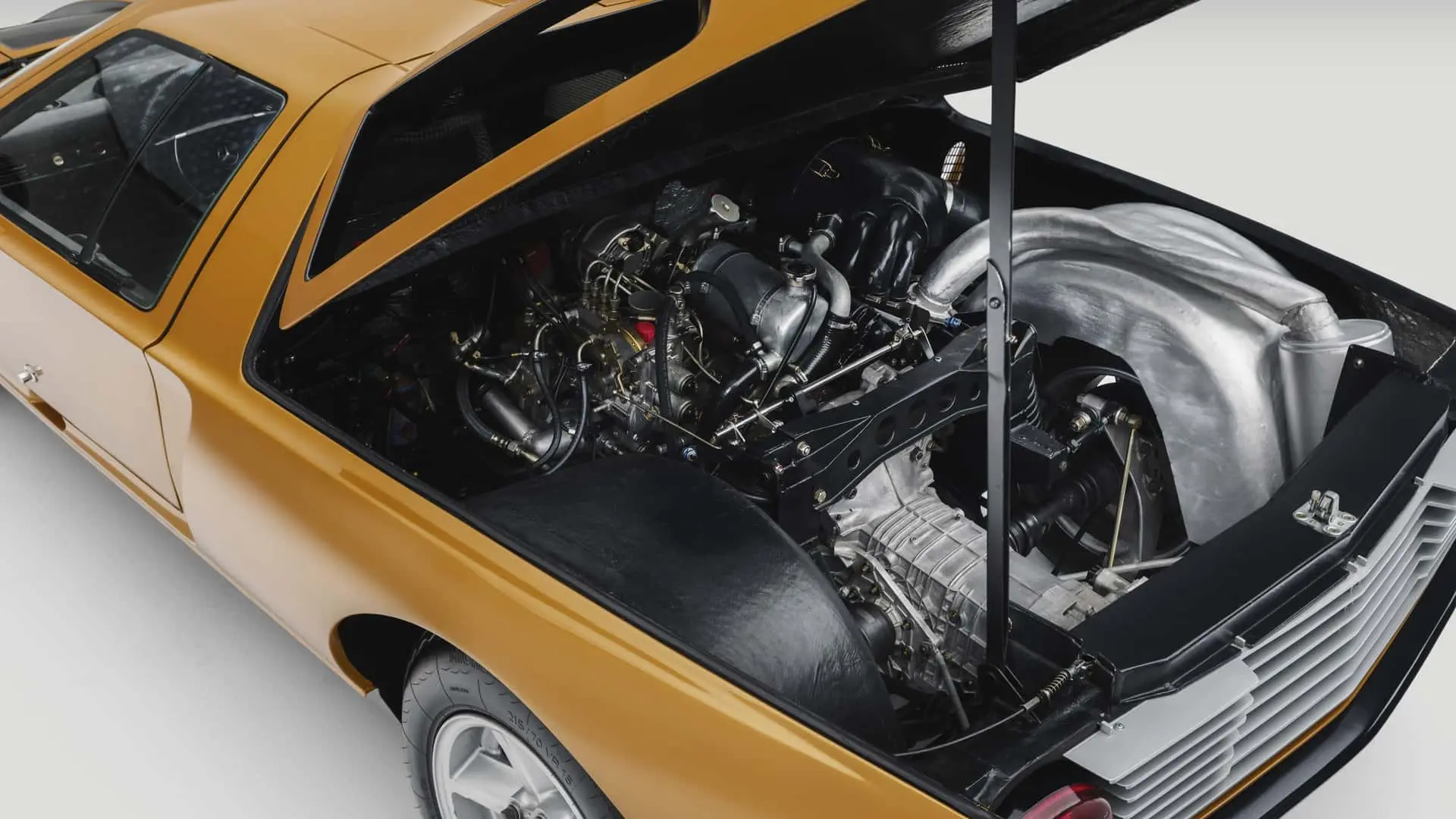
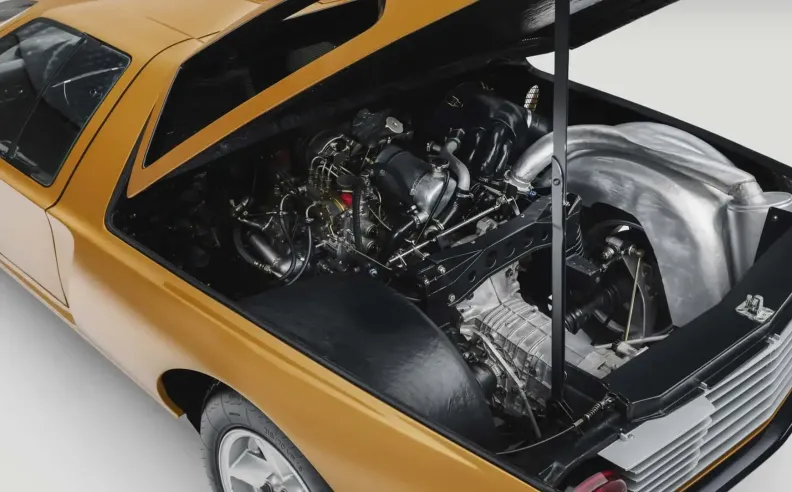
Introduced in 1970, the Mercedes C 111 II was developed as a rolling laboratory for technologies that could shape the future of performance cars. Its most remarkable feature is the mid mounted 2.4 liter M 950 W 48 Wankel rotary engine, featuring four rotors and producing an impressive 350 horsepower.
Combined with a lightweight body weighing just 1,240 kilograms and a five speed manual transmission, the experimental supercar could accelerate from 0 to 100 km/h in approximately 4.8 seconds and reach a top speed of 300 km/h, extraordinary figures for its time.
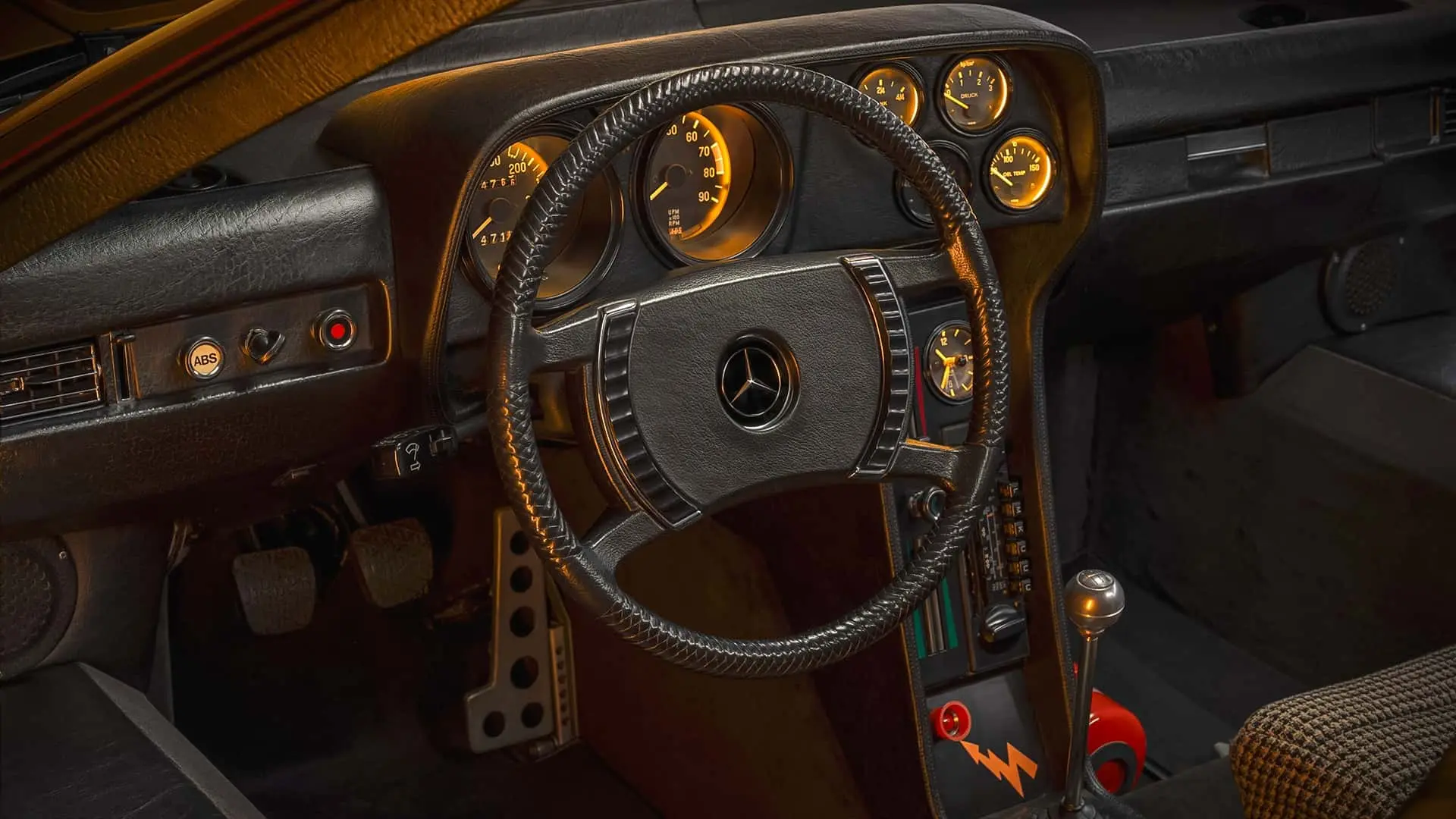
Beyond performance, Mercedes used Car 33 to evaluate early anti lock braking technology, investigate fuel distribution between its twin side tanks, and conduct temperature testing. These experiments helped engineers explore innovative solutions long before many became common features in production vehicles.
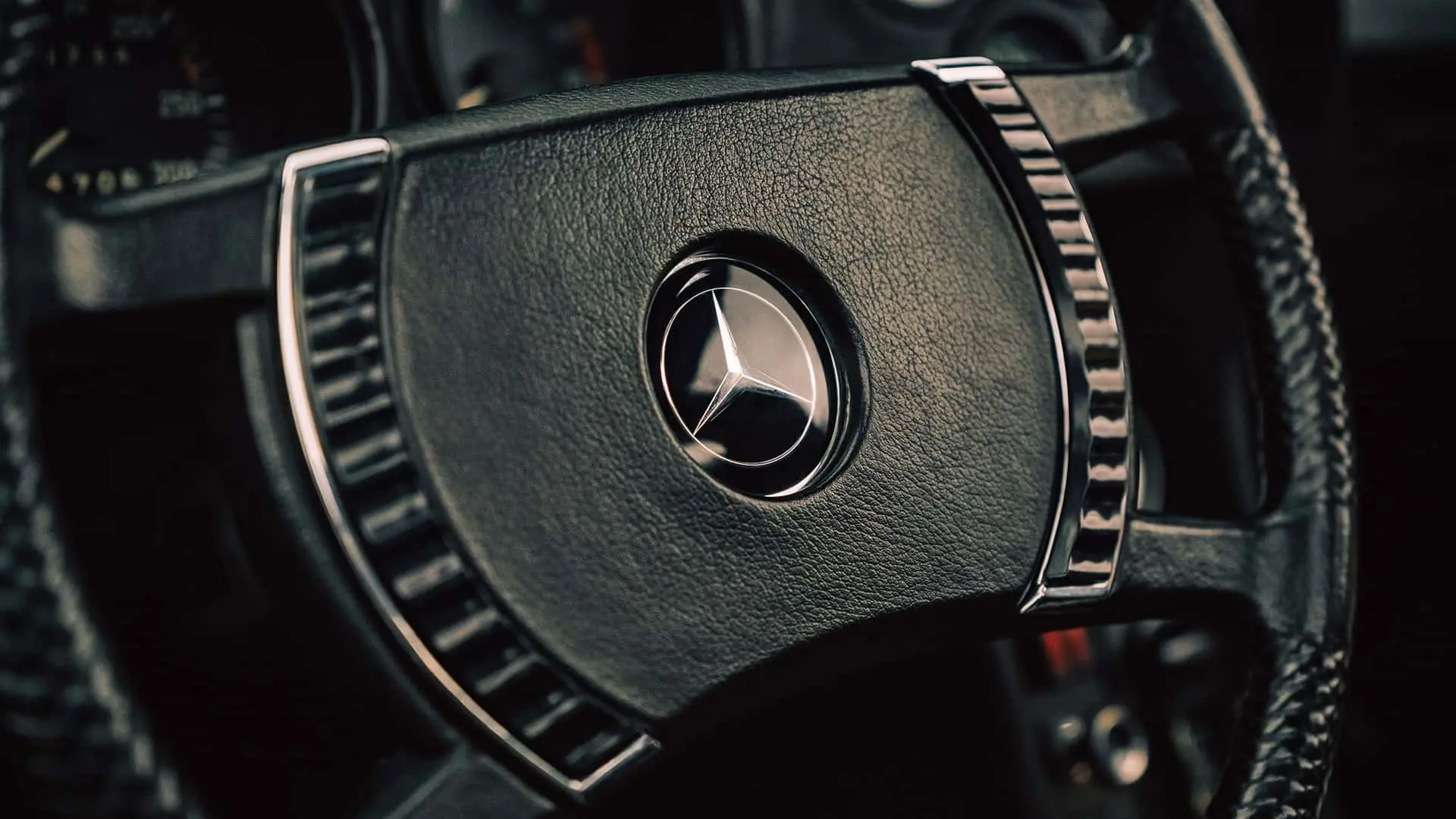
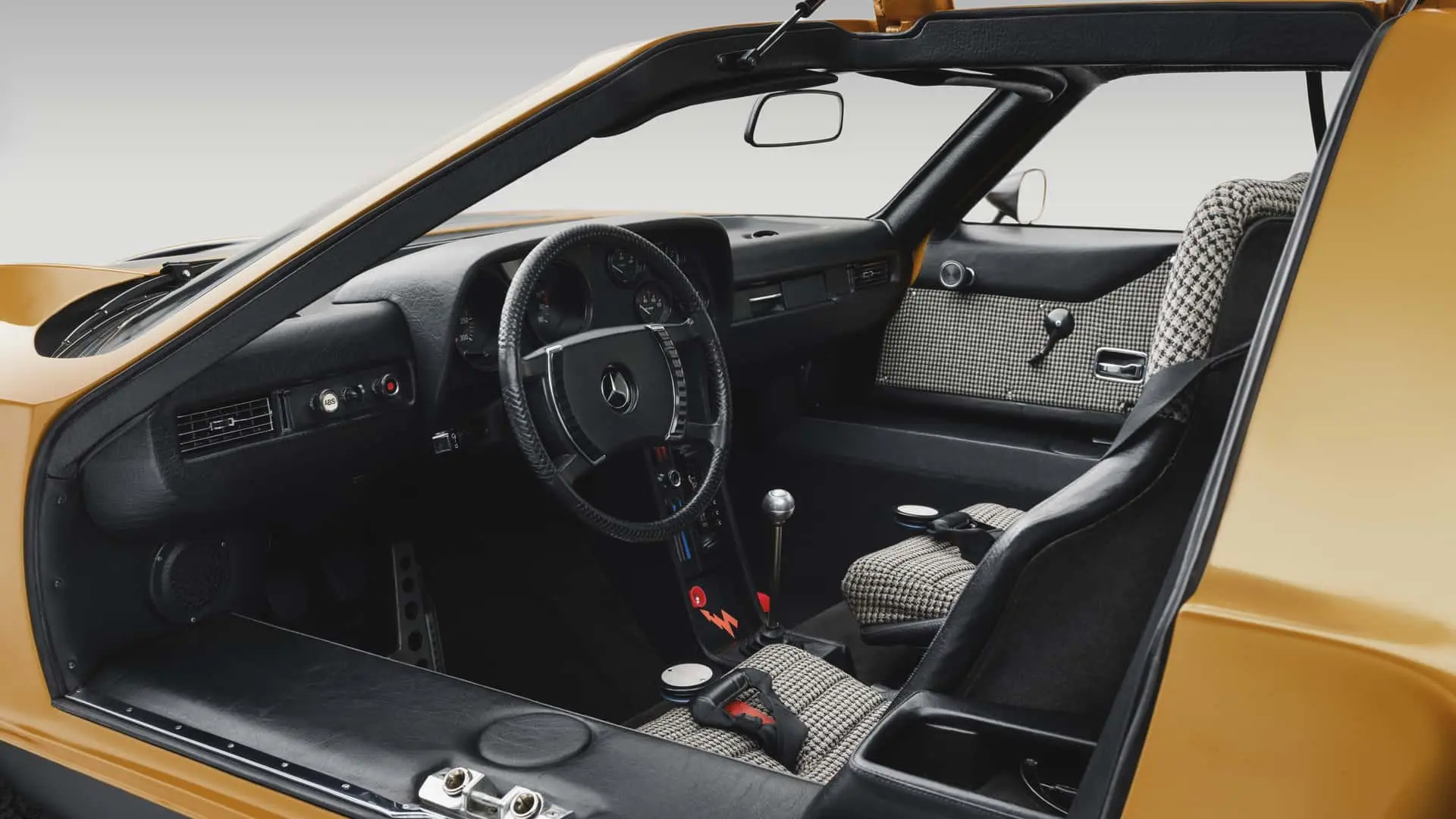
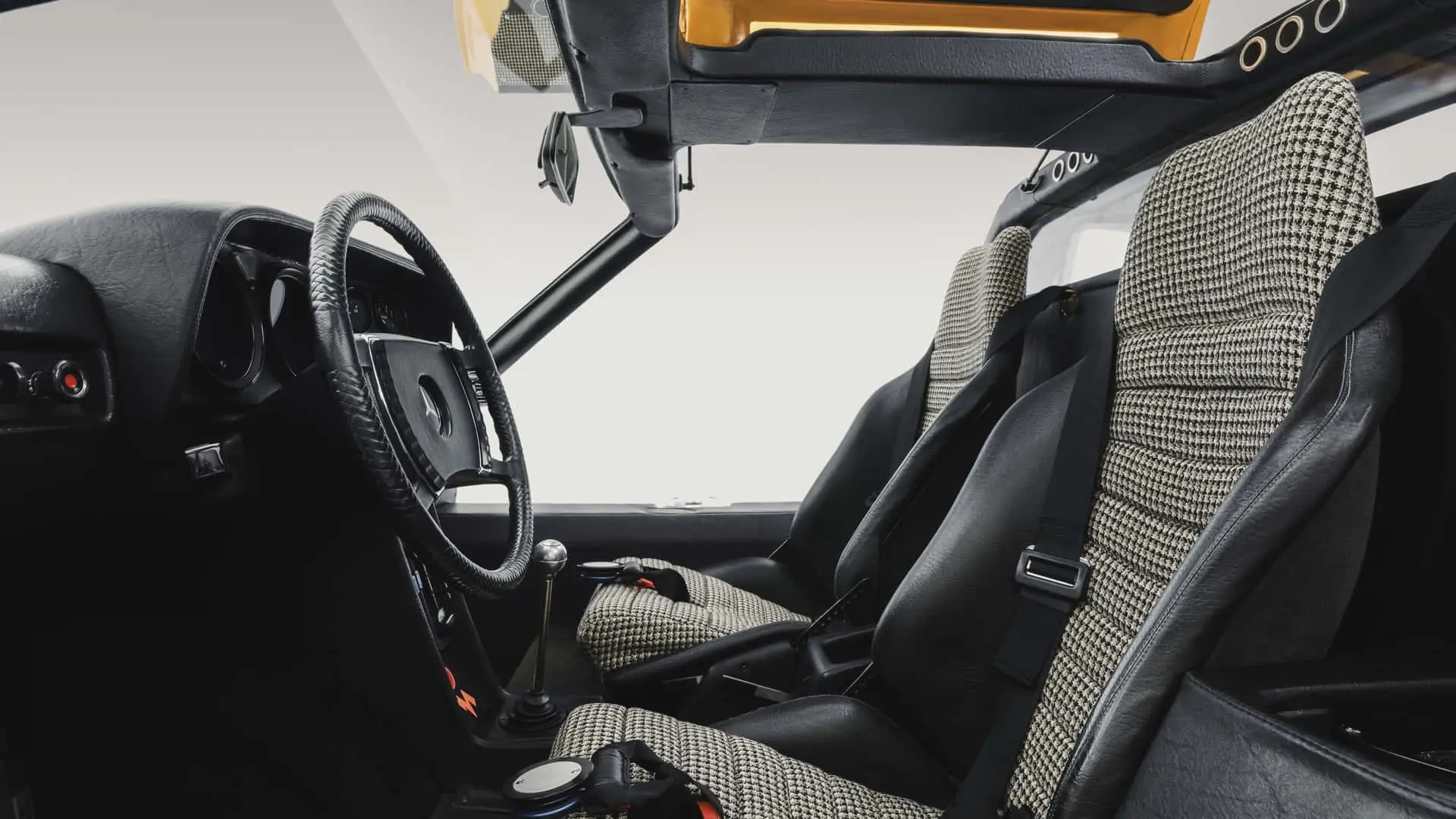
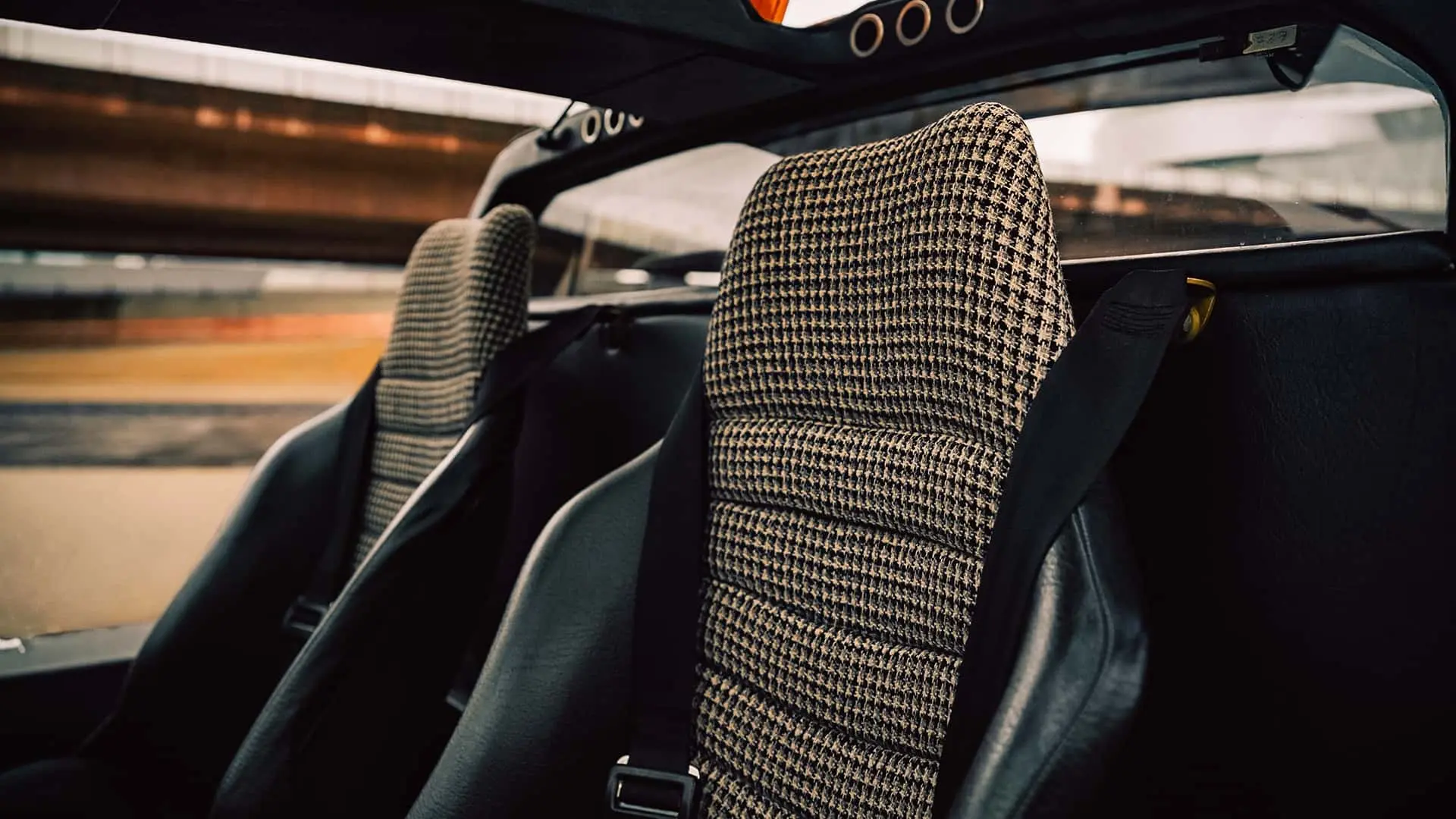
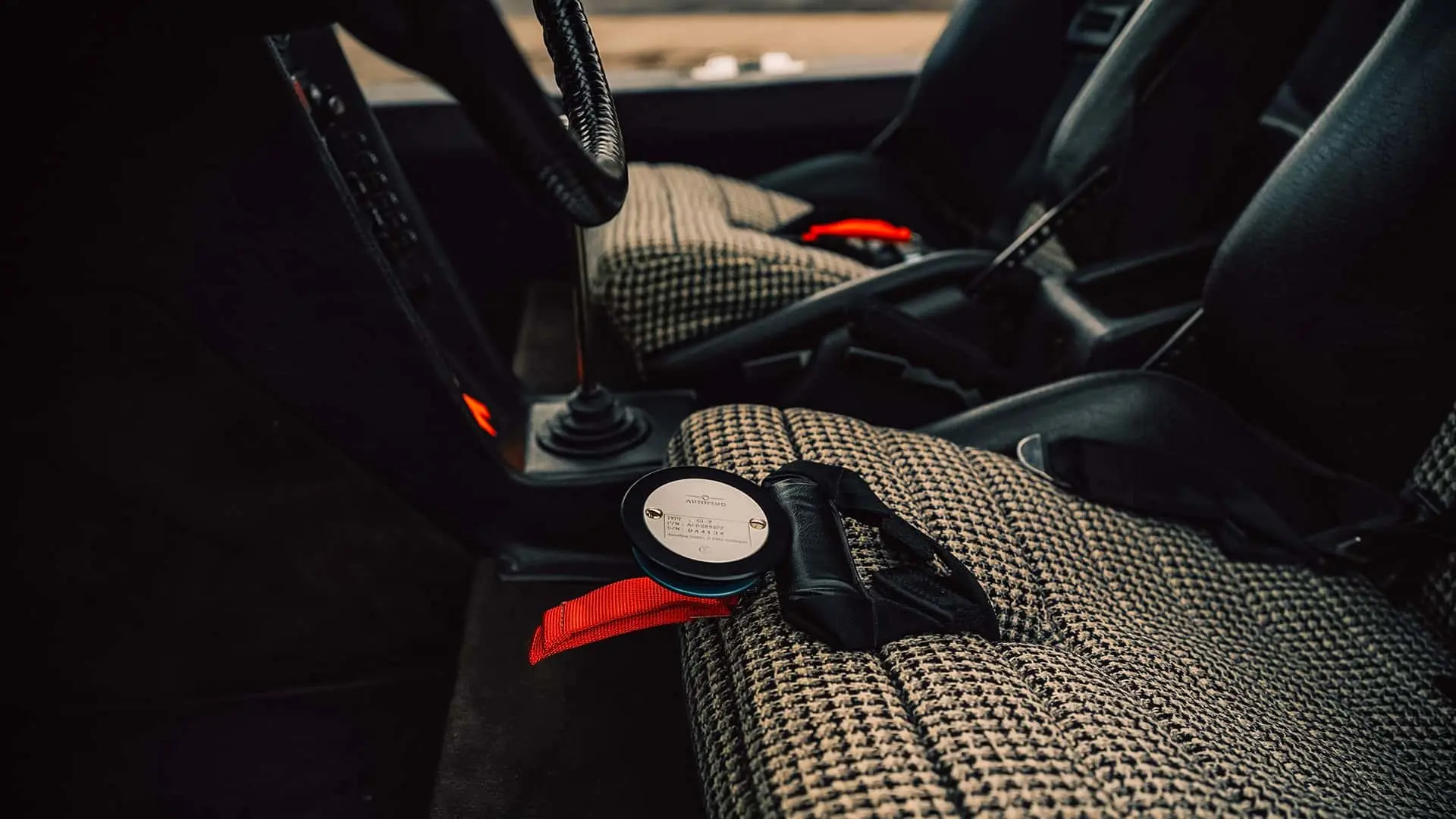
Unlike many historic supercars that undergo extensive cosmetic restoration, the Mercedes C 111 II has retained much of its original appearance. Its unmistakable orange paint, grey and white patterned sports seats, and vertically mounted Becker Europa radio preserve the atmosphere of the early 1970s.
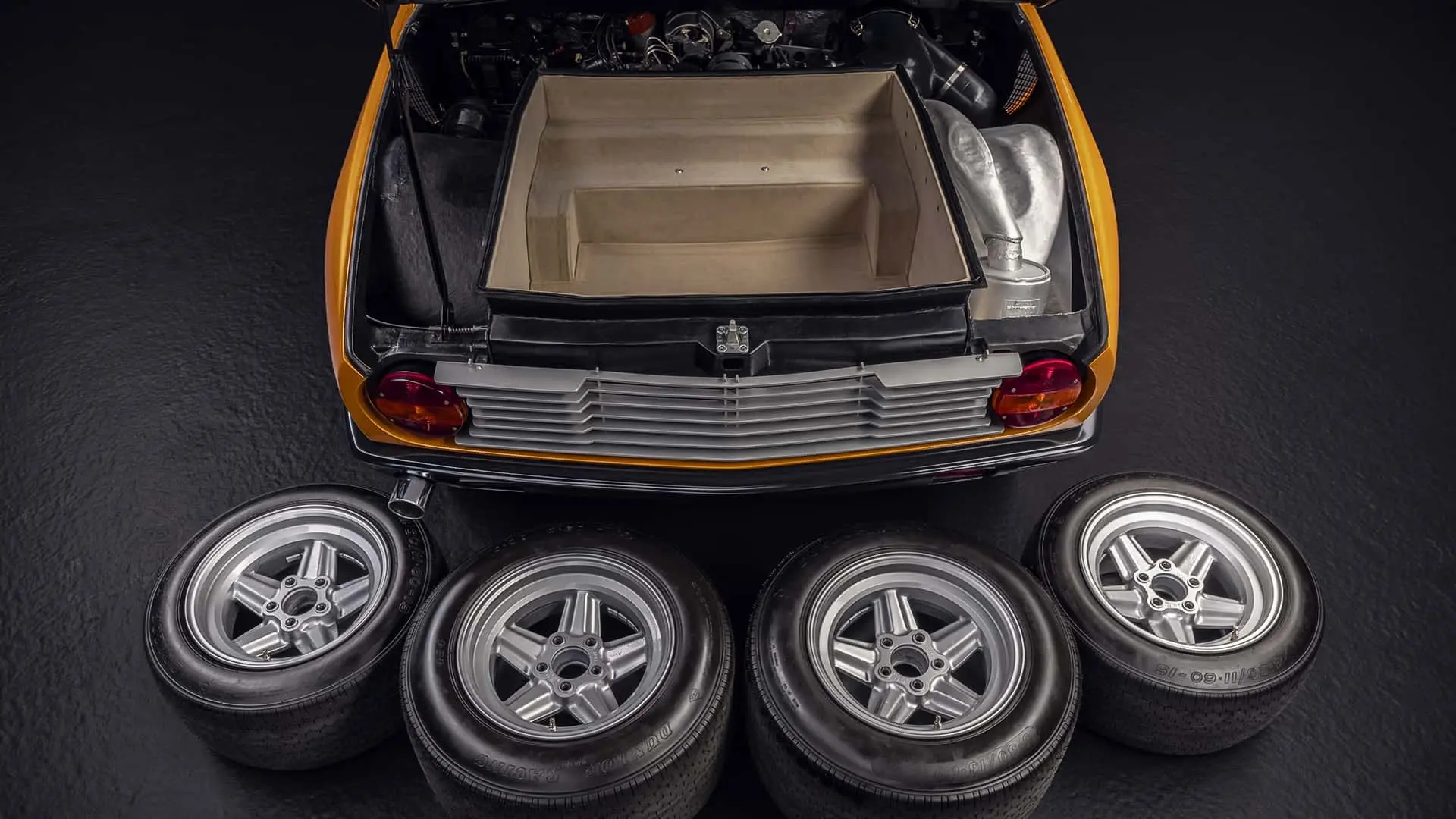
In 2024, specialists at the Mercedes Benz Classic Center in Fellbach carefully recommissioned Car 33, thoroughly overhauling its powertrain while deliberately preserving the original exterior and interior patina. Engineers also installed a fire extinguishing system in the engine compartment to improve protection.
The result is a fully operational historic prototype that returned to public attention at the prestigious Pebble Beach Concours d'Elegance in 2024. With approximately 24,766 kilometers recorded on its odometer in October 2026, this exceptional vehicle offers collectors something increasingly rare: authentic automotive history that can still be experienced on the road.
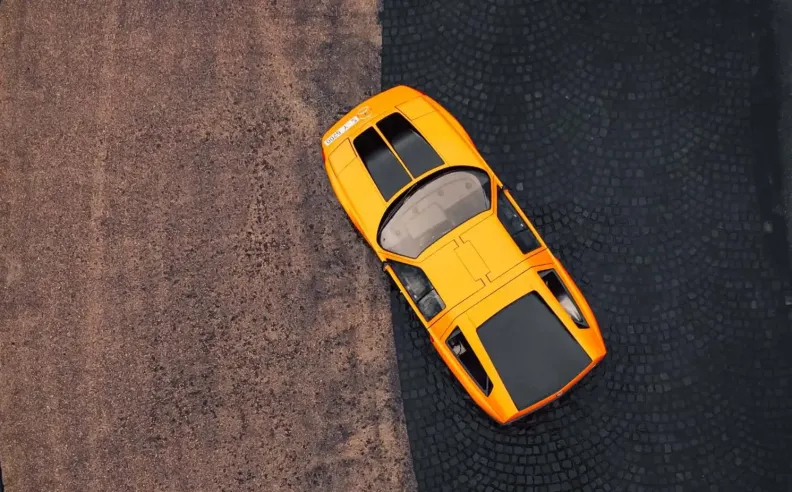
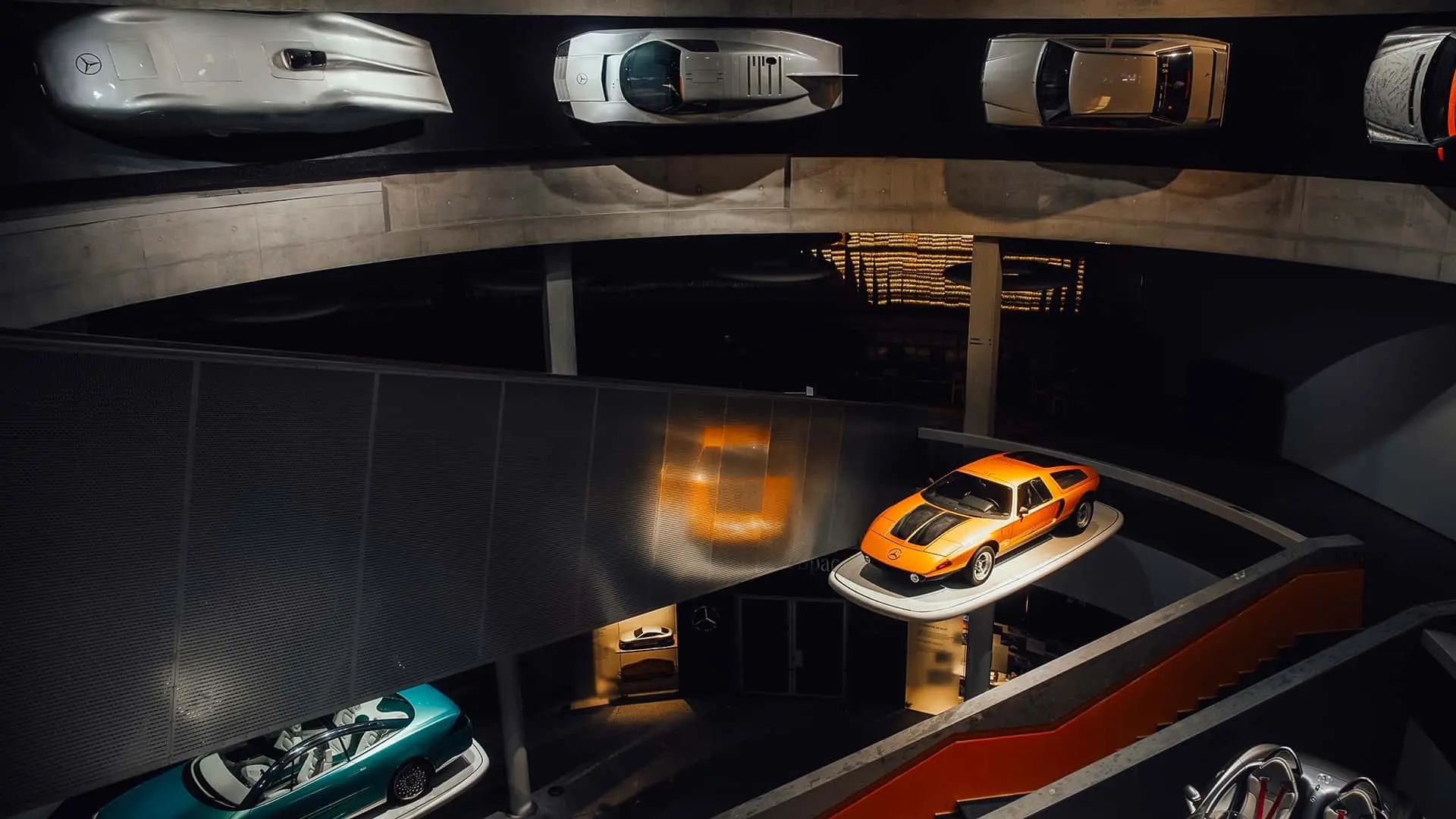
The upcoming auction represents more than an opportunity to acquire one of the rarest Mercedes vehicles ever built. The German manufacturer plans to invest the proceeds into its Mercedes Benz Museum 2.0 initiative, designed to modernize the brand museum in Stuttgart and expand access to its extraordinary automotive heritage.
A central part of the project involves creating a digital twin of the museum in collaboration with The Classic Car Trust and its Roarington platform. This virtual experience will allow enthusiasts worldwide to explore selected historic vehicles and exhibitions interactively without traveling to Germany.
With only 17 C 111 prototypes originally manufactured and 13 examples remaining in the Mercedes collection, the significance of this sale extends well beyond its potential multimillion euro price tag.
The auction demonstrates how preserving automotive history can also help finance its future, transforming one of the most ambitious experimental supercars ever created into an investment in the next generation of automotive enthusiasts.

Started my career in Automotive Journalism in 2015. Even though I'm a pharmacist, hanging around cars all the time has created a passion for the automotive industry since day 1.



 SHARE
 SEE FULL GALLERY