Tesla is taking automotive safety to a completely new level by giving its camera system a life saving role beyond driver assistance. For 2026, the company has introduced a new over the air software update that allows its surrounding cameras to detect an unavoidable crash before it happens. Instead of waiting for physical impact, the system prepares the vehicle and its passengers in advance, creating valuable extra time that could make a major difference during severe collisions.
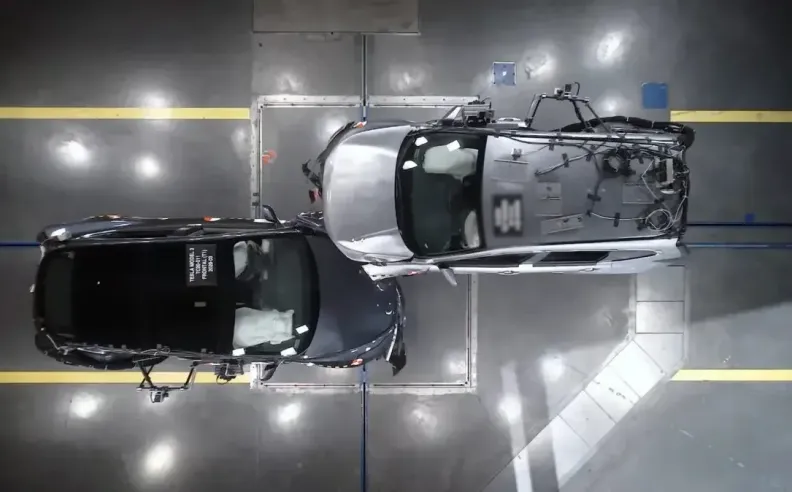
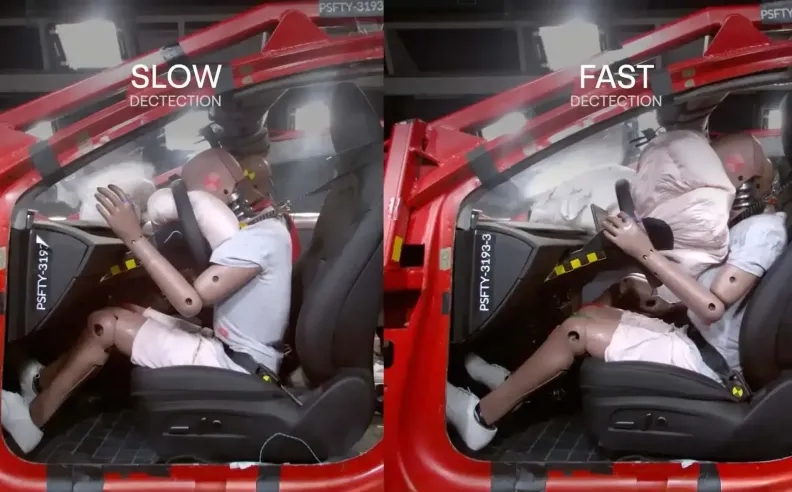
Tesla says its new software allows the airbag system to react up to 70 milliseconds faster than conventional safety systems. While that number may sound small, it represents valuable time during a high speed collision where every fraction of a second matters.
Traditional airbag systems depend on acceleration sensors that only begin working after the vehicle has already been struck. They measure the force of the impact before deciding whether airbags should deploy. Tesla's camera based system works differently by analyzing the road ahead in real time, predicting the exact moment of impact, and preparing the vehicle before the collision actually begins.
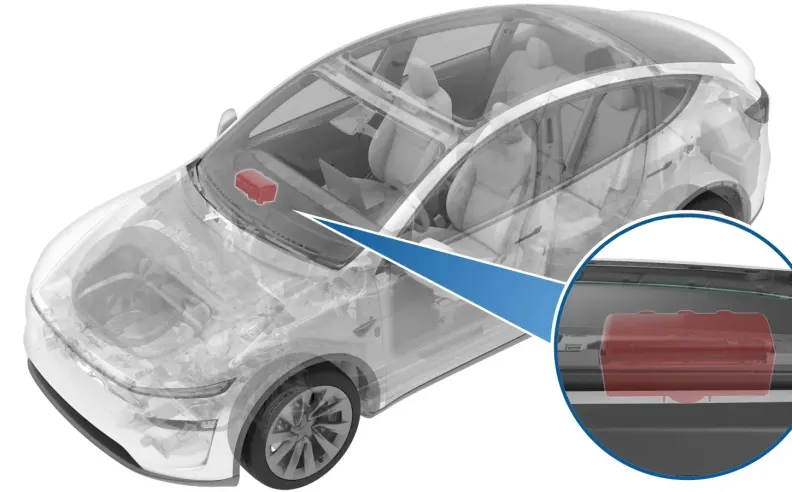
Tesla uses its camera network to identify the type of crash, estimate its severity, and calculate when contact is expected. This early prediction gives the vehicle enough time to tighten the seat belts before passengers move forward and to prepare the airbag system for deployment.
The company explains that airbags still require a brief moment to inflate completely after activation. By preparing the system earlier, Tesla helps ensure the airbags reach full protection at the critical moment. The company also confirms that traditional crash sensors remain part of the safety system and continue to make the final deployment decision. This dual layer approach combines predictive software with proven mechanical sensors to reduce the risk of false activation while maintaining maximum protection.
Tesla also says the feature will arrive through wireless software updates for compatible vehicles without requiring owners to visit a service center. Previous software updates released during late 2025 had already introduced improvements to the front airbag system, suggesting that this breakthrough has been under development for quite some time.

Started my career in Automotive Journalism in 2015. Even though I'm a pharmacist, hanging around cars all the time has created a passion for the automotive industry since day 1.


 SHARE
SHARE