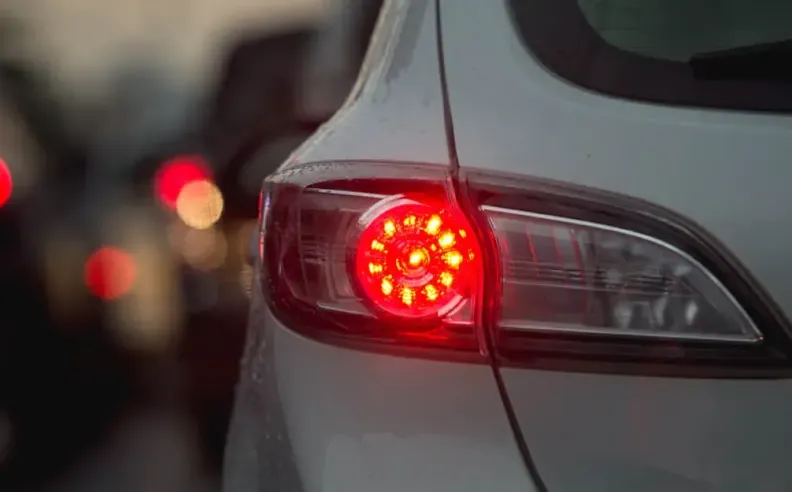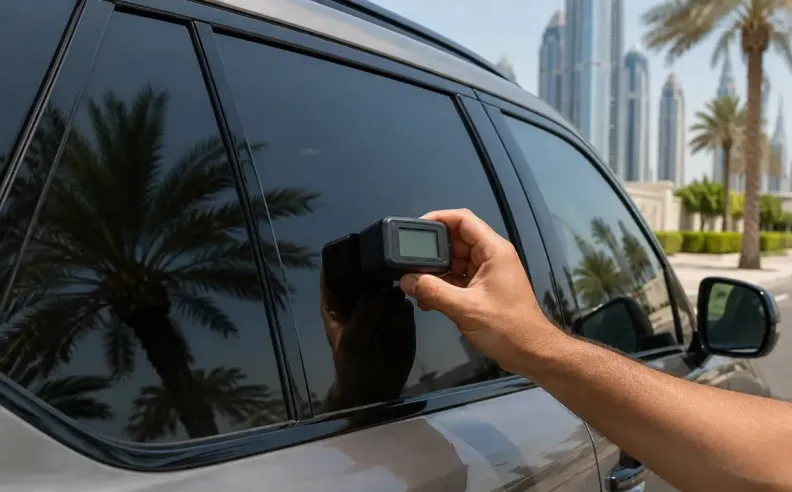
A sudden skid is one of the most stressful moments any driver can face. It can happen because of a tire blowout, oil on the road, standing water, sand, or even a mechanical issue. In that short moment, the safest outcome depends on staying calm and reacting correctly. Instead of panic braking or sharp steering, drivers need smooth control, steady vision, and an understanding of how the car behaves when traction is lost.
Keeping calm is the first and most important step when a car suddenly starts to slide. Many drivers instinctively slam the brake pedal, but this can make the situation worse. Sudden braking shifts the car’s weight heavily toward the front, which can reduce the remaining grip at the rear and increase the chance of the car spinning.
A safer reaction begins by lifting the foot gently off the accelerator. This helps the car slow down naturally without shocking the tires. It also gives the vehicle a better chance to regain balance as the weight settles more evenly across all four wheels.
Drivers should also keep their eyes focused on the direction they want the car to go, not on the obstacle they fear hitting. The hands usually follow the eyes, so looking toward the safe path helps the driver guide the vehicle more smoothly. This matters especially on Gulf roads where sand, sudden rain, or high speed lane changes can quickly reduce grip.
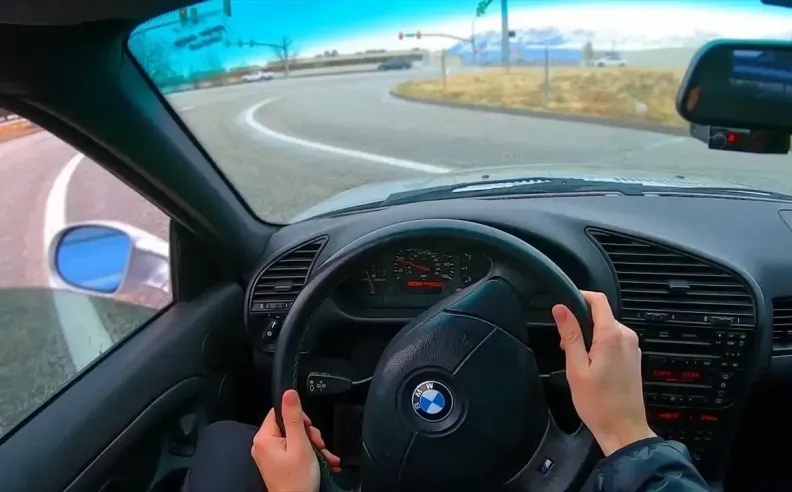
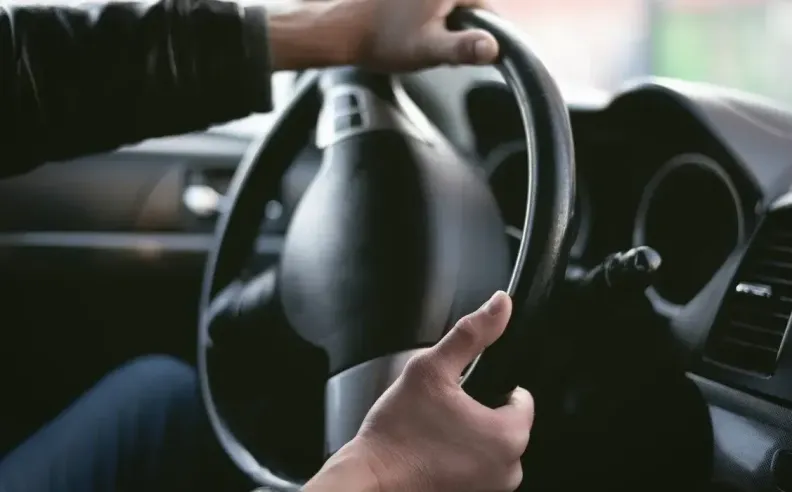
Steering correctly during a skid requires smooth and controlled movement. If the rear of the car slides to the right, the driver should steer gently to the right. If the rear slides to the left, the driver should steer gently to the left. This technique helps align the front wheels with the actual direction of travel and gives the car a better chance to straighten out.
The key is to avoid aggressive steering. Turning the wheel too sharply can cause the car to snap back in the opposite direction once the tires regain grip. This sudden reaction can be more dangerous than the original skid, especially at highway speeds.
Making small corrections is safer than making one dramatic movement. Once the car starts to recover, the driver should gradually return the wheel toward the center. The goal is not to fight the car violently, but to guide it back into balance. Smooth hands, calm breathing, and gentle inputs can make a major difference in keeping the vehicle under control.
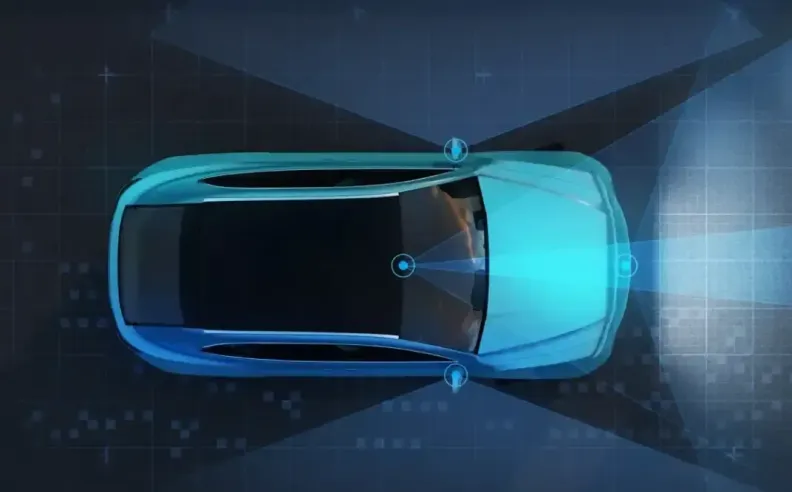
Modern cars include active safety systems that can help reduce the risk of losing control. Electronic Stability Control, often known as ESC or ESP, monitors steering angle, wheel movement, and vehicle direction. When it detects that the car is not following the driver’s intended path, it can reduce engine power and apply braking force to individual wheels to help bring the car back into line.
Anti lock Braking System, known as ABS, also plays an important role. If braking becomes necessary, ABS prevents the wheels from locking, allowing the driver to keep steering while slowing down. This is especially useful on slippery roads where locked wheels can make the car slide straight ahead without responding to the steering wheel.
These systems are valuable, but they do not cancel the laws of physics. Excessive speed, worn tires, low tire pressure, and distracted driving can still lead to dangerous situations. The safest approach is to drive at a speed suitable for the road, keep tires in good condition, avoid sudden inputs, and understand that modern technology supports the driver but does not replace good judgment.

Started my career in Automotive Journalism in 2015. Even though I'm a pharmacist, hanging around cars all the time has created a passion for the automotive industry since day 1.



 SHARE
SHARE