Car floor mats may look like a simple accessory, but they play a major role in protecting the cabin from dust, moisture, stains, and long term wear. They also help preserve the resale value of the car by keeping the original carpeting in better condition. As car accessories continue to evolve, drivers now have several choices, from classic fabric mats to rubber, 3D, and 7D options. Each type suits a different lifestyle, climate, and driving routine.
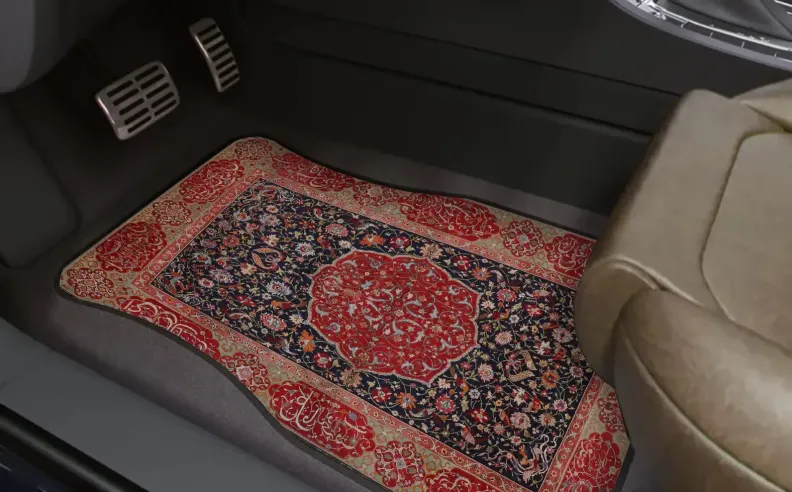
Carmakers usually provide fabric floor mats because they look clean, elegant, and well matched with the cabin upholstery. They suit daily city driving and add a refined finish to the interior without feeling bulky. Fabric mats also help trap dust, which reduces how much dirt spreads through the cabin air.
However, fabric mats are not ideal for wet or muddy conditions. They absorb liquids, hold odors, and take longer to dry. Over time, trapped moisture can affect the original carpet underneath and may even contribute to rust if water reaches the metal floor structure.
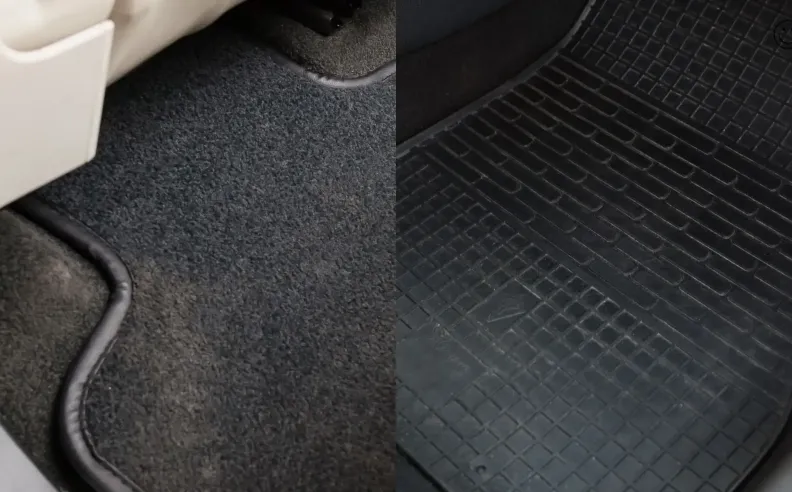
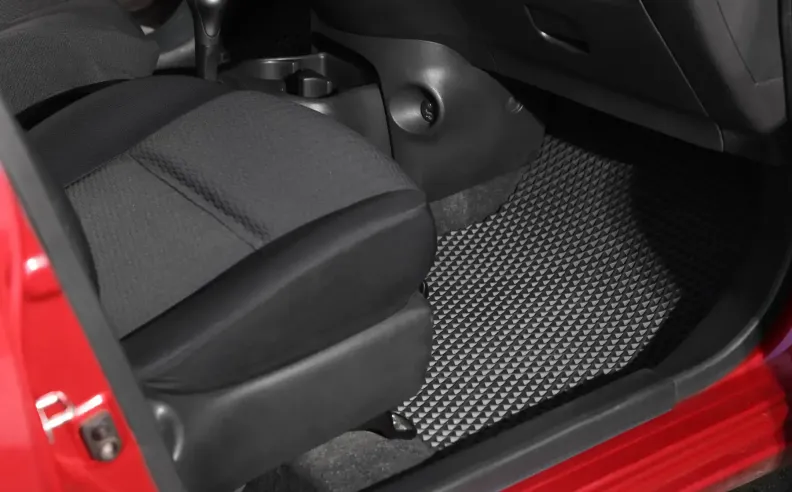
Rubber floor mats become essential when the car is used in tougher conditions, especially around sand, rain, mud, or outdoor activities. They resist water, oils, and dirt much better than fabric mats, making them easier to clean after heavy use.
A quick wash with water is usually enough to restore them. This makes rubber mats especially useful for families, outdoor drivers, and anyone who wants low maintenance protection. Their main downside is appearance, as they usually feel less premium than fabric. Some may also produce a strong rubber smell in hot weather, so choosing good quality materials matters.
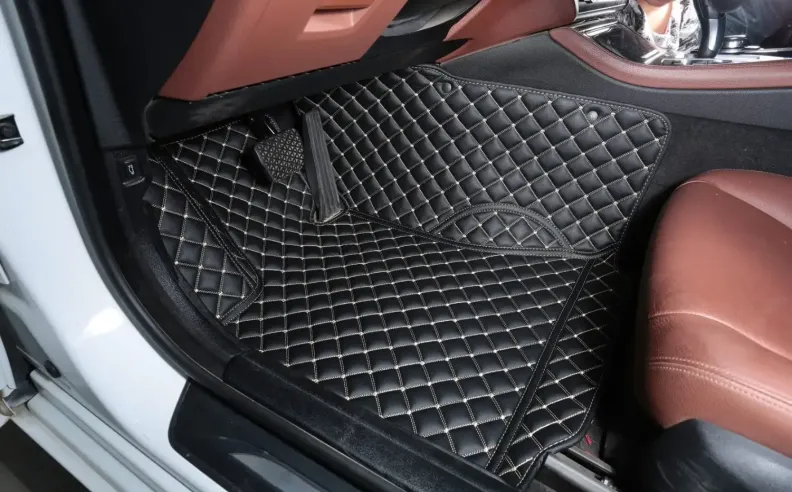
3D floor mats offer a more advanced level of protection because they are shaped to match the exact cabin floor layout. They usually feature raised edges that protect not only the flat floor area, but also the sides around the footwell. Many are made from materials such as EVA or XPE, which can improve heat and sound insulation inside the cabin.
7D mats go further by adding more layers, richer textures, and wider coverage. They are often chosen by drivers who want a more luxurious cabin look along with stronger protection. These mats can make the interior feel more premium, but they are usually more expensive. Poor quality versions may also suffer in extreme heat, so material quality is important.
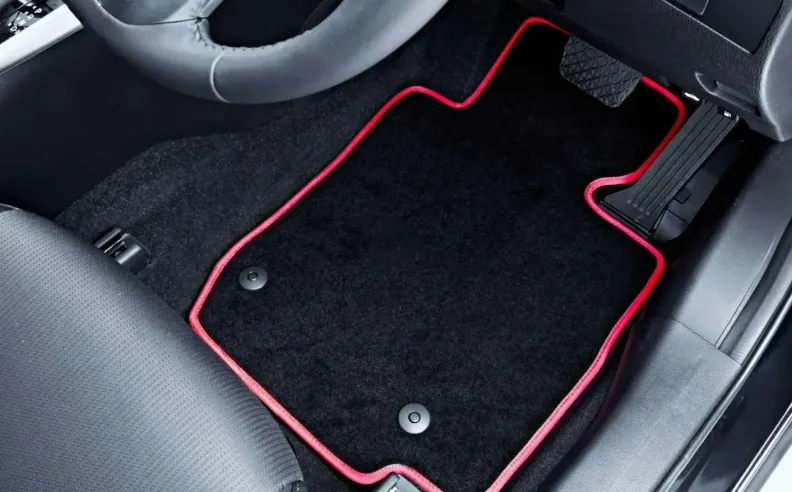
For normal city driving, fabric mats can be enough if the car stays clean and rarely faces mud or rain. For desert trips, rainy weather, construction areas, or family use, rubber mats are usually the most practical choice because they stop water and sand from reaching the original carpet.
For drivers who want both style and protection, 3D or 7D mats offer the best balance. They provide a cleaner fitted look, better side coverage, and a more premium cabin feel. No matter which type you choose, always make sure the mats have secure hooks or clips. A loose mat can slide under the pedals, especially the brake pedal, which can create a serious safety risk.

Started my career in Automotive Journalism in 2015. Even though I'm a pharmacist, hanging around cars all the time has created a passion for the automotive industry since day 1.



 SHARE
SHARE