Dual Clutch Transmissions, commonly known as DCTs, have transformed modern driving by combining the quick gear changes of manual transmissions with the convenience of automatic shifting. However, not all DCT systems operate in the same way. Manufacturers generally use two different clutch designs, dry and wet, each offering distinct advantages in performance, fuel efficiency, and durability. While both systems rely on two clutches to deliver rapid and precise gear changes, their engineering differences can significantly influence how a car behaves in heavy traffic, on highways, and during spirited driving. Understanding these differences can help drivers make better decisions when choosing their next vehicle.
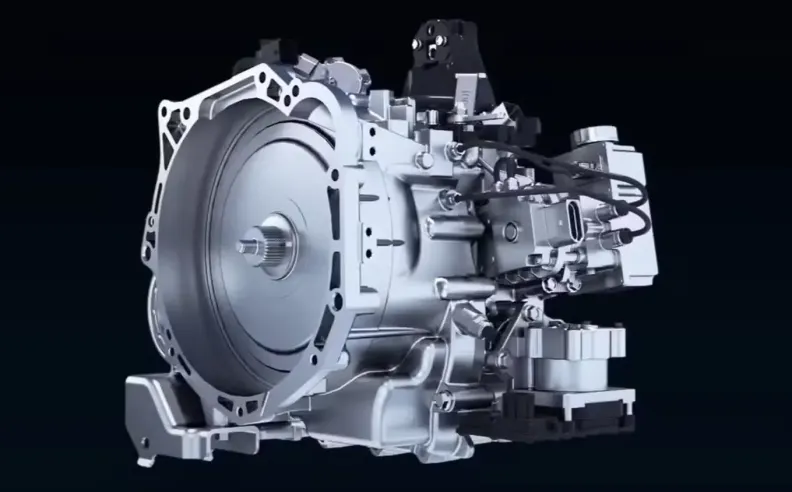
Dry clutch DCT systems operate using friction plates that engage without being immersed in cooling oil, similar to the clutch found in a conventional manual transmission. This design reduces energy losses associated with circulating oil around the clutch assembly, helping improve efficiency while generally reducing weight and mechanical complexity. As a result, dry clutch transmissions are commonly used in compact cars and vehicles with relatively modest engine torque.
However, their biggest limitation is heat management. Without dedicated oil cooling, repeated clutch engagement during slow traffic can generate excessive heat, particularly when the vehicle continuously creeps forward. Prolonged clutch slipping can accelerate wear and potentially cause overheating. For drivers regularly navigating congested city streets, avoiding unnecessary creeping and using the brakes to hold the vehicle stationary can help reduce clutch stress.
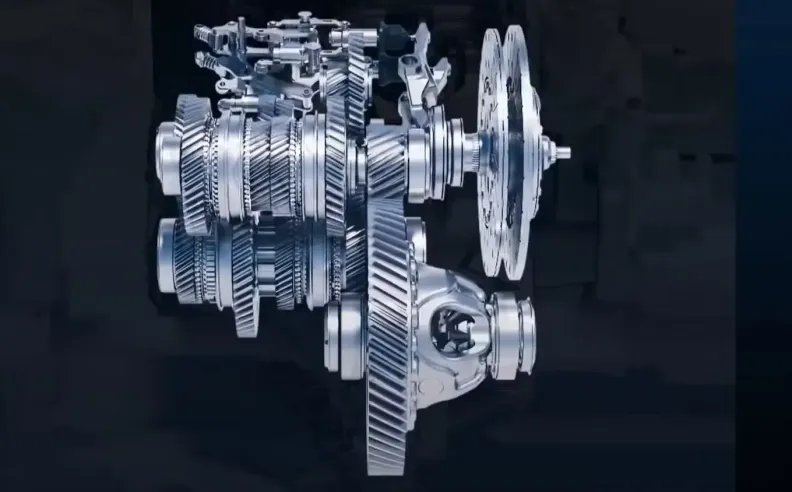
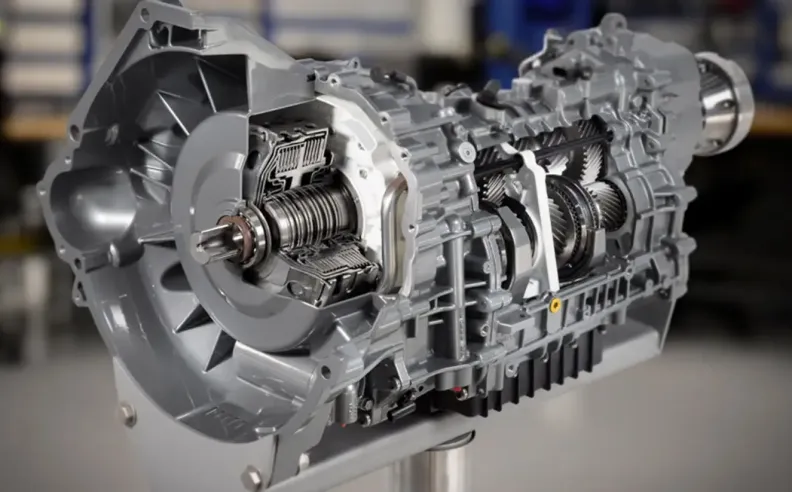
Wet clutch DCT transmissions use friction plates operating in specially formulated transmission oil, which helps remove heat generated during clutch engagement. This additional cooling capacity allows the system to manage greater engine torque and repeated gear changes under demanding conditions, making wet clutch technology particularly suitable for powerful sports cars and performance focused vehicles.
The oil cooled design can also help manage clutch engagement during low speed driving, although overall smoothness depends on transmission calibration and vehicle engineering. These benefits come with additional complexity, including oil circulation components and thermal management systems that can increase weight and reduce efficiency compared with equivalent dry clutch arrangements.
Wet clutch transmissions also require specific maintenance procedures, with transmission fluid and filter replacement intervals determined by the manufacturer. Following these recommendations is essential for maintaining reliable performance and protecting expensive internal components.
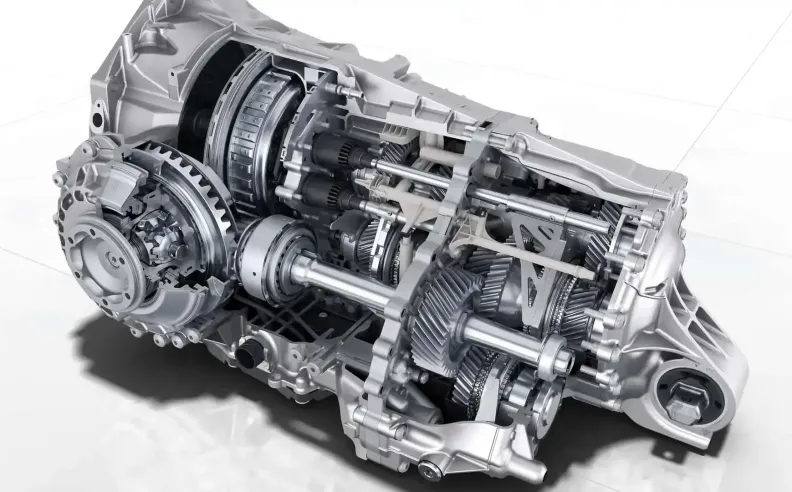
Choosing between dry and wet clutch transmissions depends largely on the vehicle's power output, intended use, and driving conditions. Dry clutch systems prioritize mechanical simplicity and efficiency, making them attractive for economical vehicles used primarily for regular commuting and highway travel. However, frequent stop and go driving can place greater thermal stress on their clutch assemblies.
Wet clutch systems offer better heat management and generally greater torque capacity, making them more suitable for powerful engines, enthusiastic driving, and demanding operating conditions. Their additional cooling capability can be particularly valuable when repeated clutch engagement generates substantial heat.
Ultimately, neither transmission is universally superior. A well engineered dry clutch DCT can deliver excellent efficiency and responsive shifting, while a properly maintained wet clutch DCT provides the durability and thermal capacity required for higher performance applications. Understanding the differences helps drivers choose a transmission that matches their everyday needs rather than simply focusing on gear change speed.

Started my career in Automotive Journalism in 2015. Even though I'm a pharmacist, hanging around cars all the time has created a passion for the automotive industry since day 1.


 SHARE