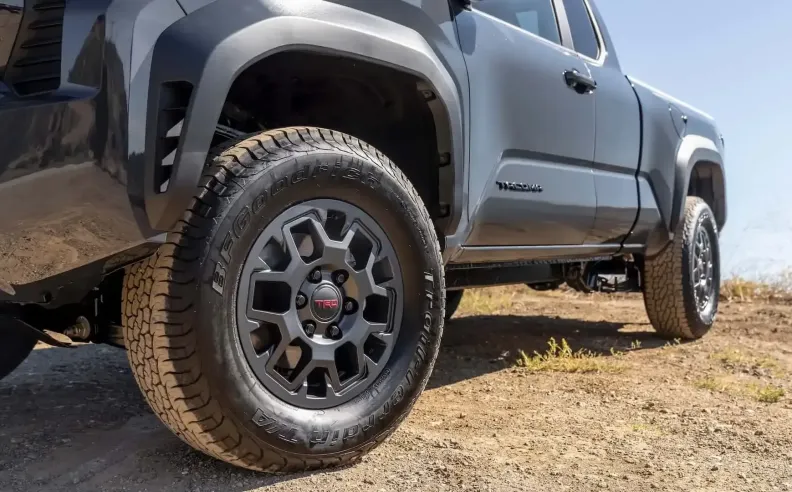
Have you ever noticed that the paint near the bottom of your car doors feels rough and uneven compared to the smooth, glossy finish on the rest of the body? While this unusual texture might initially look like a manufacturing defect or evidence of a previous repair, it is often an intentional protective feature. Automakers apply specialized coatings to vulnerable areas such as rocker panels and lower door sections to protect the metal underneath from flying stones, moisture, and road debris. Understanding how this protective layer works can help you distinguish normal factory finishes from damage that requires attention.
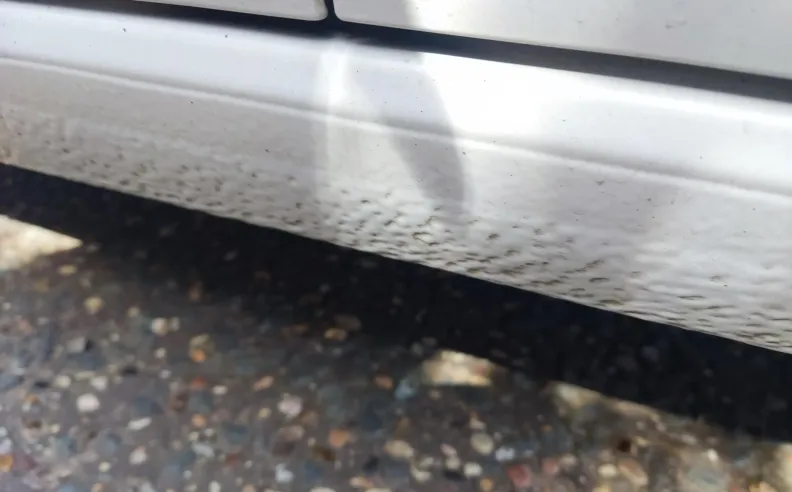
The lower sections of a vehicle face some of the harshest conditions on the road. Every time you drive, the tires throw small stones, dirt, water, and other debris toward the rocker panels and lower doors. Over time, these repeated impacts can damage conventional paint, exposing the metal underneath to moisture and corrosion.
To prevent this, manufacturers use specialized protective coatings made from flexible polymer or rubber based compounds. Commonly known as stone chip protection or anti chip coatings, these materials are designed to absorb and distribute the impact energy of flying debris. Their flexibility helps prevent the paint from cracking or chipping when struck by small stones.
Unlike the smooth paint found on the hood, roof, and upper doors, these protective coatings create a slightly raised, textured surface. Depending on the manufacturing process, the coating may be applied over the primer before receiving the final body color finish.
This difference is intentional. While upper body panels prioritize appearance and a smooth finish, lower sections require additional durability. Some manufacturers also install plastic protective panels or transparent protective films to further reduce damage in areas frequently exposed to road debris.
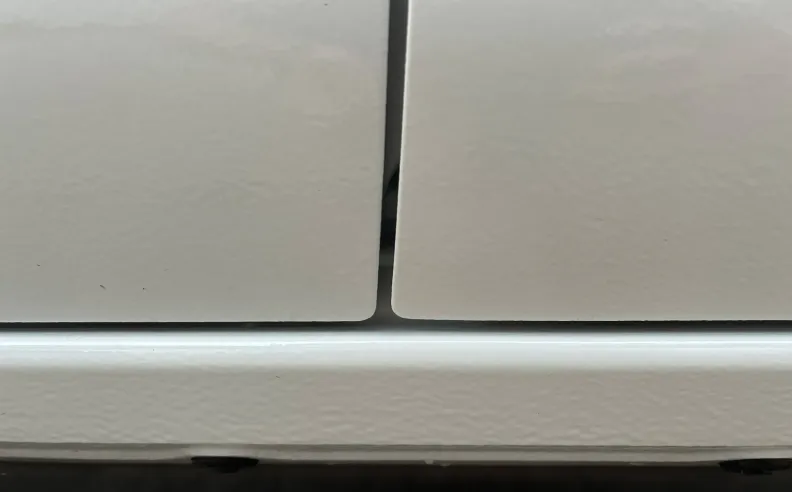
Although textured paint is perfectly normal on many vehicles, not every rough surface indicates factory protection. Recognizing the difference can help you identify potential corrosion, poor repairs, or deteriorating protective coatings before they become expensive problems.
Factory applied stone chip protection generally features a consistent texture across similar sections of the vehicle. The coating should appear evenly distributed, with a relatively uniform transition between the textured lower area and the smooth paint above it.
However, visible bubbling beneath the paint can indicate corrosion developing under the protective layer. Cracks, peeling sections, and exposed metal are also warning signs, particularly around door drainage holes and rocker panel edges where moisture can accumulate.
Another detail worth examining is whether both sides of the vehicle have similar finishes. An isolated rough patch, unusual texture variation, or uneven application could suggest previous bodywork or repainting. However, differences alone do not necessarily prove that a vehicle has been repaired.
If you notice peeling, rust, or suspicious paint irregularities, having a qualified body repair specialist inspect the area can help prevent further deterioration.
Ultimately, the rough texture below your car doors is a reminder that automotive engineering extends beyond performance and appearance. What might look like an imperfect paint finish is often a carefully designed protective barrier that helps preserve your vehicle for years.

Started my career in Automotive Journalism in 2015. Even though I'm a pharmacist, hanging around cars all the time has created a passion for the automotive industry since day 1.




 SHARE