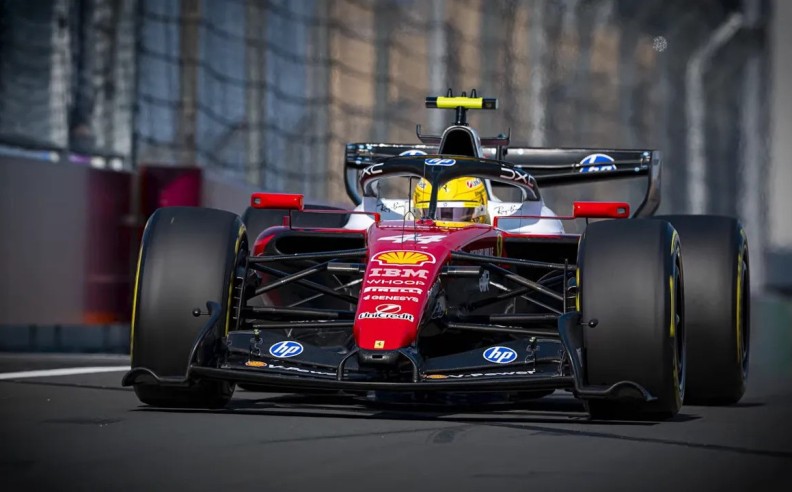
Formula 1 could soon enter a completely different era as FIA President Mohammed Ben Sulayem pushes for the return of V8 engines by 2030. After years of highly complex hybrid V6 power units, the sport may move toward a setup focused on lighter weight, lower costs, louder sound, and simpler engineering. The plan is already creating huge discussions among teams and fans, especially with the possibility of more manufacturers building their own engines in the future.
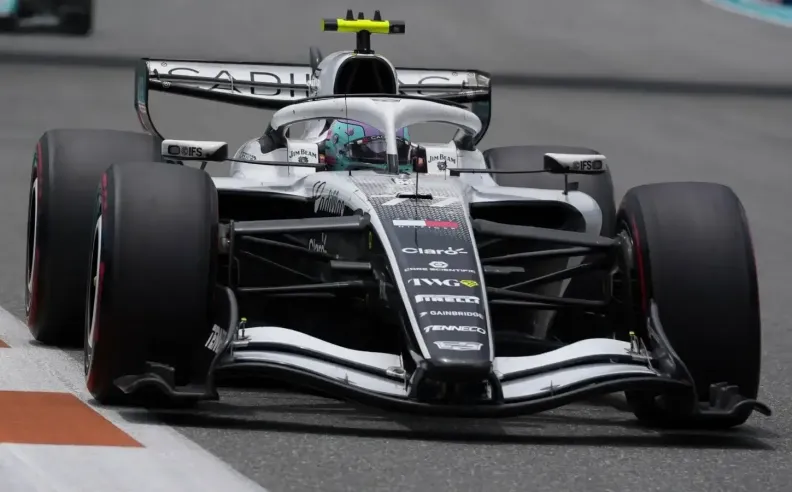
Current Formula 1 power units are among the most advanced engines in motorsport, but they are also incredibly expensive and difficult to develop. According to Ben Sulayem, the current 1.6 liter hybrid setup has become too complicated, especially because of the heavy balance between electric power and internal combustion performance.
By switching to a V8 hybrid setup, the FIA hopes to reduce development costs while making the engines easier to build and maintain. Ben Sulayem explained that simplifying the regulations could allow more teams to create their own engines instead of depending on suppliers like Mercedes.
That possibility could completely reshape the grid. Teams such as McLaren currently rely on customer engines, but the FIA believes simpler rules could encourage independent development in the future.
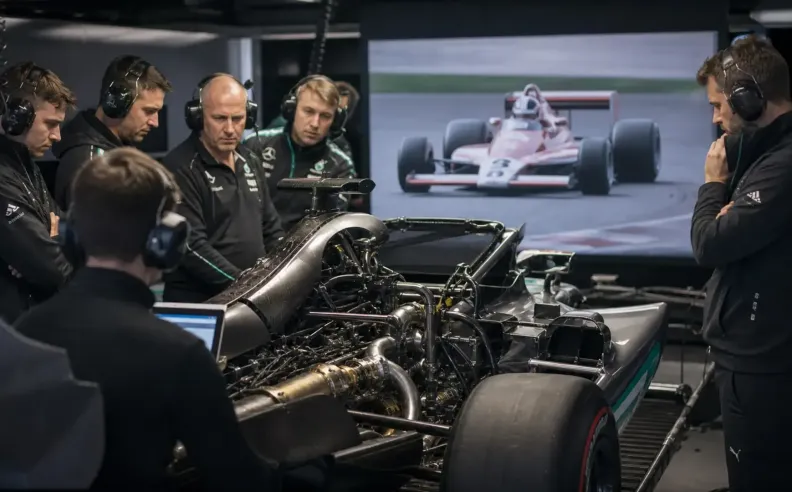
The future V8 power units are expected to feature larger displacement engines ranging from 2.6 to 3.0 liters. Unlike the current cars, which split power heavily between electric systems and combustion, the new setup would rely mostly on the gasoline engine, with electric power contributing only around 10 to 20 percent of total output.
Ben Sulayem explained that the FIA wants to avoid extremely high engine speeds because revving beyond 15,500 or 16,000 rpm increases costs and creates sound frequencies that may become unpleasant for younger fans. Instead, the goal is to create engines that still sound exciting while remaining affordable and reliable.
The FIA also believes the new V8 era could deliver around 880 horsepower while maintaining hybrid technology in a smaller and more manageable role. For many fans, this proposal represents a return to the emotional sound and character that made Formula 1 famous around the world.
For many longtime Formula 1 fans, the return of V8 engines represents more than just technical changes. It brings back the possibility of louder racing, simpler engineering battles, and stronger emotional connection between the cars and the audience.
At the same time, the FIA still wants to keep some level of electrification to support modern efficiency goals. Instead of fully removing hybrid systems, the future cars would balance traditional combustion power with limited electric assistance.
If these plans move forward, the 2030 Formula 1 season could look and sound dramatically different from today’s grid, creating a new chapter that blends classic motorsport emotion with modern hybrid technology.

Started my career in Automotive Journalism in 2015. Even though I'm a pharmacist, hanging around cars all the time has created a passion for the automotive industry since day 1.


 SHARE
SHARE