Buying a new car in 2026 means choosing between countless options, from powertrains and body styles to advanced screens, driver assistance systems and comfort features. Yet buyers appear to be prioritizing features they can appreciate every day rather than technology that simply looks impressive on a specification sheet.
A recent AutoPacific study involving more than 19,000 people planning to purchase a new vehicle found that heated seats were the most desired feature, selected by 47 percent of respondents. The result places a familiar comfort feature ahead of many sophisticated technologies that automakers have spent heavily to develop.
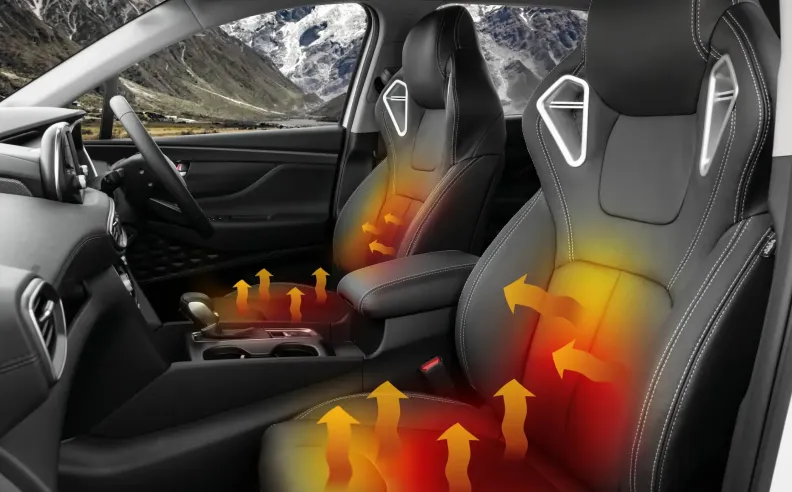
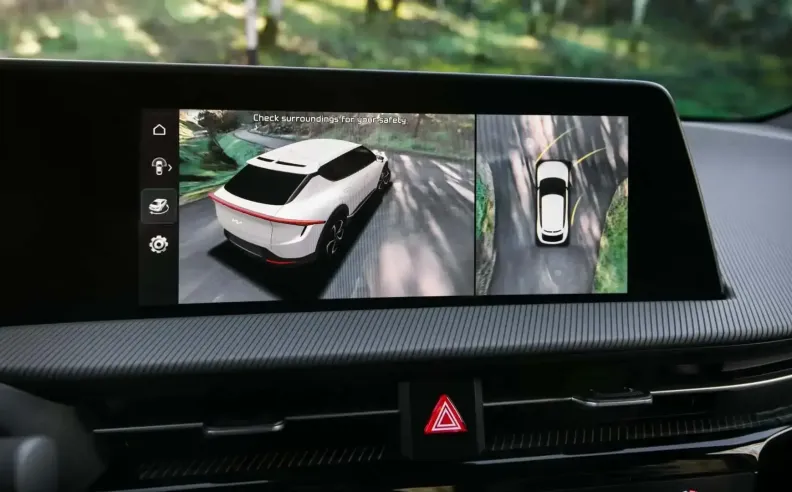
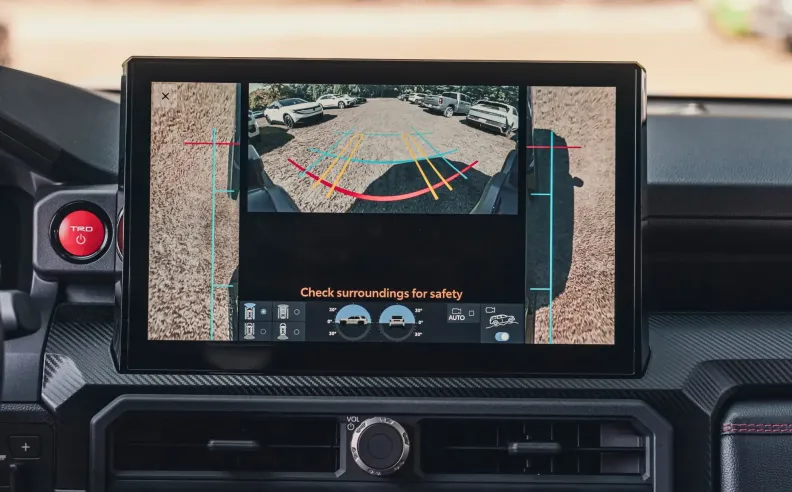
Heated seats took first place with 47 percent of buyers expressing interest, showing how strongly drivers value simple comfort. Front and rear parking sensors followed closely at 45 percent.
Rear automatic emergency braking attracted 44 percent of respondents, while power adjustable front seats received 43 percent. Lane change assistance, night vision systems and adaptive cruise control with lane keeping support also reached 43 percent.
Rear cross traffic warning interested 42 percent of buyers, while automatic parking systems and wireless charging pads reached 41 percent. Dash cameras and systems capable of detecting large animals attracted around 39 to 40 percent, while all wheel drive was wanted by 39 percent.
The results suggest that buyers prefer a balance of comfort, convenience and useful safety features rather than technology for its own sake.
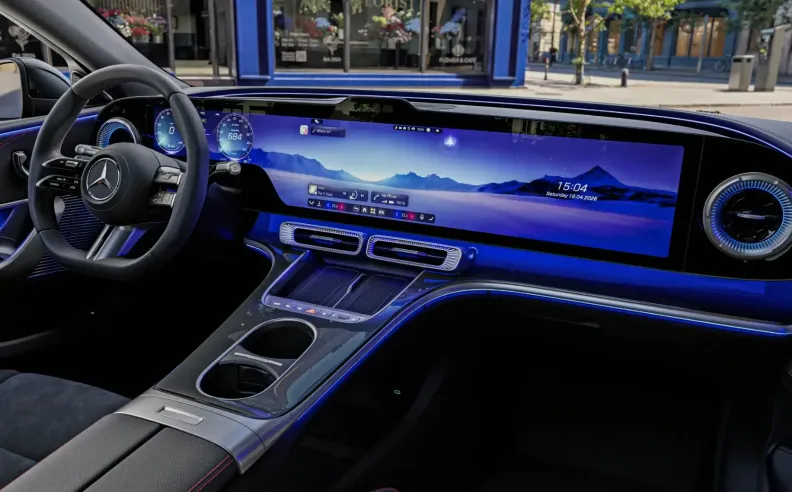
Safety technology still plays a major role when drivers choose their next vehicle. Parking sensors, automatic emergency braking and rear cross traffic warning all ranked among the most requested features.
Buyers also showed strong interest in systems that reduce workload during longer drives. Adaptive cruise control combined with lane keeping support attracted 43 percent of respondents, placing it alongside several traditional comfort features.
Lane change assistance also ranked highly, suggesting that buyers increasingly value systems that support the driver without completely taking control of the vehicle.
These preferences show that shoppers are not rejecting advanced technology. Instead, they appear most interested in features that solve a clear everyday problem and remain easy to understand.
Confidence in selected automated functions continues to rise. The study found that 62 percent of respondents felt comfortable allowing their vehicle to handle certain driving tasks.
These tasks include functions such as automatic lane positioning and parallel parking. The figure has increased from 57 percent in 2024 and 60 percent in 2025.
The gradual increase suggests that drivers are becoming more accepting of automation when it performs clearly defined tasks. Full vehicle autonomy may still raise concerns, but assistance systems that make parking or highway driving easier are gaining broader acceptance.

Started my career in Automotive Journalism in 2015. Even though I'm a pharmacist, hanging around cars all the time has created a passion for the automotive industry since day 1.


 SHARE
SHARE