Car brakes remain one of the most important safety systems on any vehicle. Modern drivers expect a car to stop quickly and smoothly, even when road conditions suddenly become difficult. However, this level of control depends on an innovation that transformed automotive safety almost as significantly as the three point seat belt.
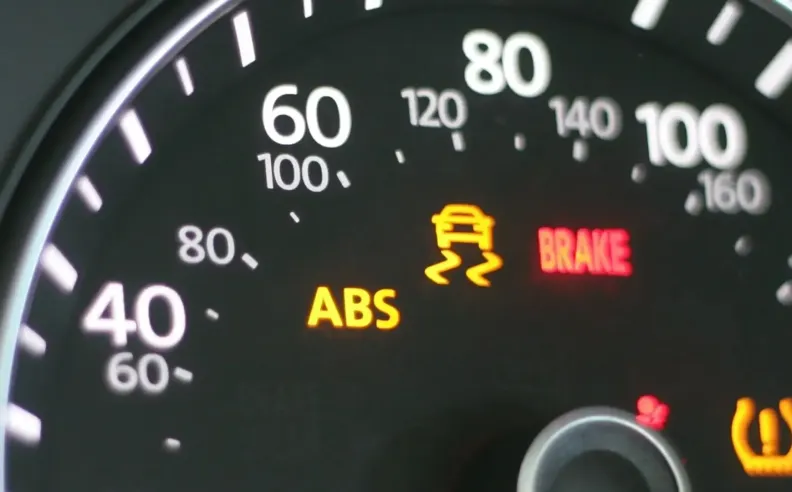
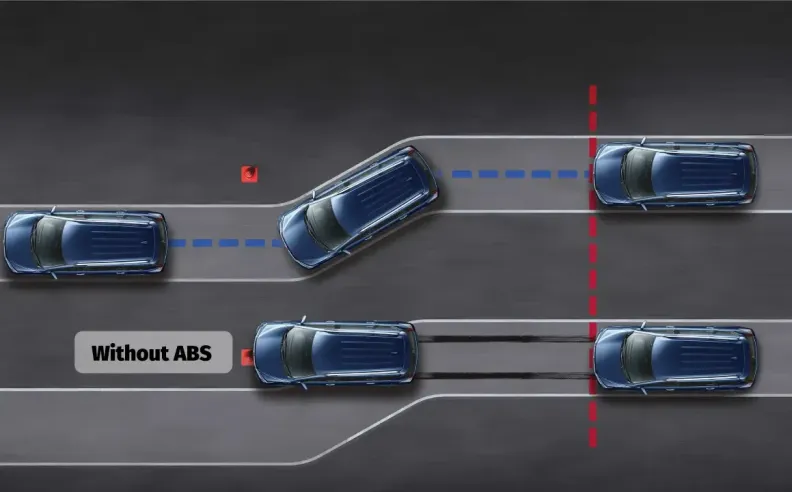
Known as the Anti Lock Braking System, ABS prevents the wheels from completely locking during sudden or aggressive braking. Instead of allowing the tires to stop rotating and slide across the road, the system rapidly adjusts brake pressure so the wheels can continue turning.
Maintaining wheel movement allows the driver to keep steering while slowing down. This ability becomes especially important when avoiding another vehicle, navigating a slippery surface or responding to an unexpected obstacle.
Developed the original concept of ABS the aviation industry, where pilots needed better control during difficult aircraft landings. Early systems relied on complicated mechanical components that were not practical enough for widespread automotive use.
Changed electronic technology this situation during the 1970s by making ABS faster, smaller and more accurate. Introduced Mercedes Benz and Bosch one of the most important milestones in 1978 when they launched the first fully electronic four wheel ABS system in the Mercedes Benz S Class.
Used early automotive ABS systems relatively rough operating methods. Drivers could often hear loud mechanical sounds and feel strong vibrations through the brake pedal when the system activated.
Operate modern ABS systems much more smoothly. Integrate vehicle manufacturers the technology with electronic stability systems, driver assistance features and advanced vehicle software. This integration allows the braking system to react quickly while maintaining a more natural feeling through the pedal.
Monitors ABS the rotational speed of every wheel through dedicated sensors. Send these sensors continuous information to the main ABS computer, which compares wheel speeds and identifies whether one tire is about to stop rotating.
Reduces the system brake pressure when it detects an approaching wheel lock. Increases it again once the tire regains grip. Repeats this process many times every second, creating the pulsing sensation that some drivers may notice during emergency braking.
Controls hydraulic valves the amount of brake fluid reaching each wheel. Hold or release pressure these valves based on instructions from the ABS computer. Restores an electric hydraulic pump pressure immediately so the braking cycle can continue without interruption.
Allows this rapid process the tires to maintain contact and directional control rather than sliding uncontrollably. May not always shorten the stopping distance ABS on loose gravel or deep snow, but it usually gives the driver a much better chance of steering around danger.
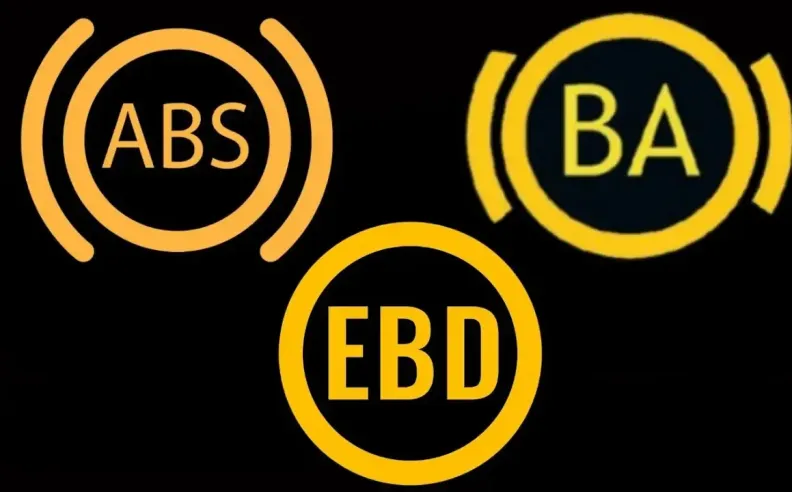
Combines modern braking technology ABS with Electronic Brakeforce Distribution. Adjusts EBD braking pressure based on vehicle weight, road grip, steering angle and the amount of traction available at each tire.
Focuses ABS mainly on preventing wheel lock, while manages EBD how braking force is distributed between the wheels. Work both systems together to keep the vehicle balanced during sudden stops, cornering and changing road conditions.
Forms ABS the technical foundation for many advanced safety technologies, including electronic stability control and modern driver assistance systems. Without its sensors, hydraulic controls and rapid computer calculations, vehicles would become much harder to control during emergency braking.

Started my career in Automotive Journalism in 2015. Even though I'm a pharmacist, hanging around cars all the time has created a passion for the automotive industry since day 1.


 SHARE
SHARE