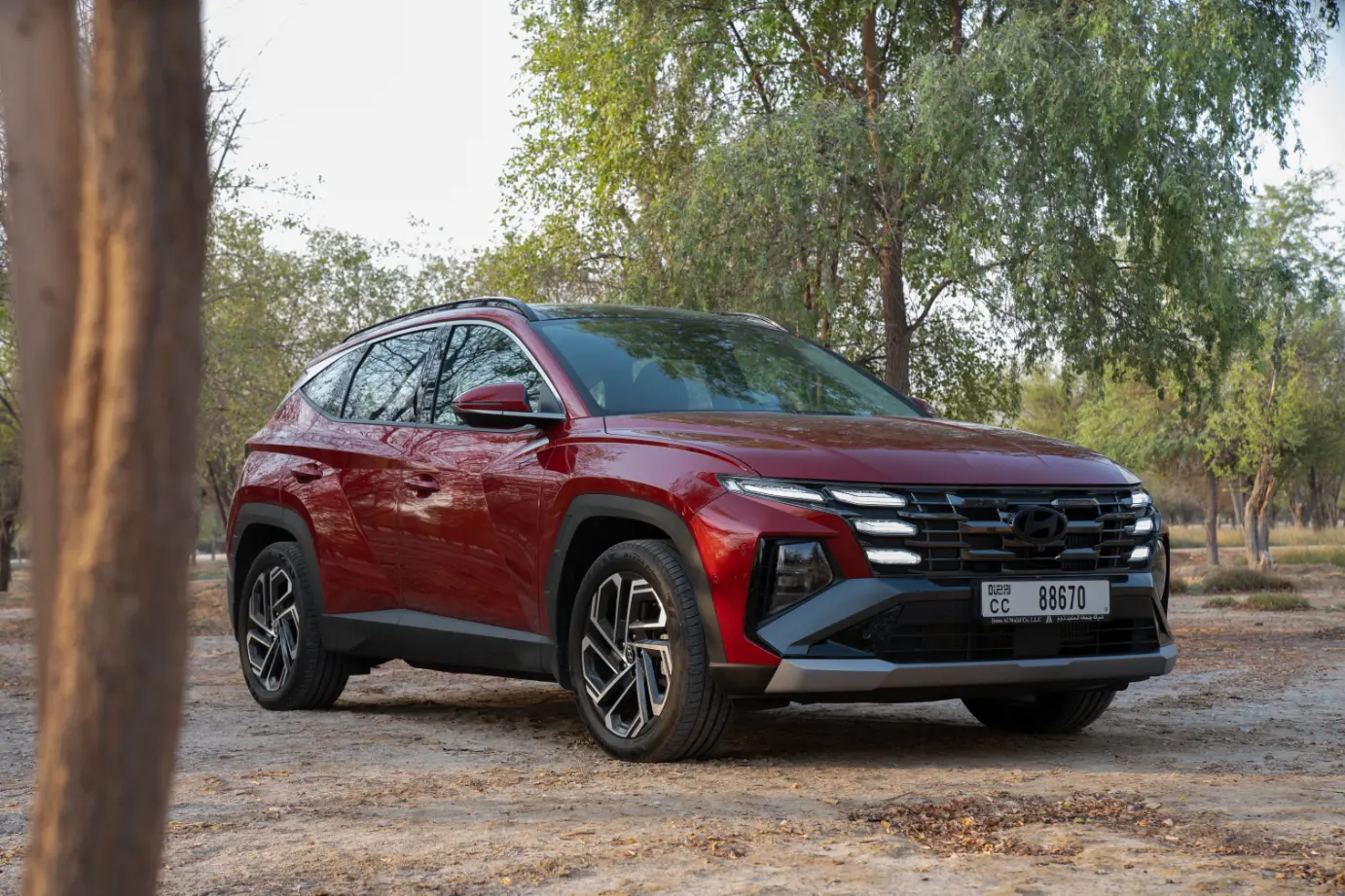
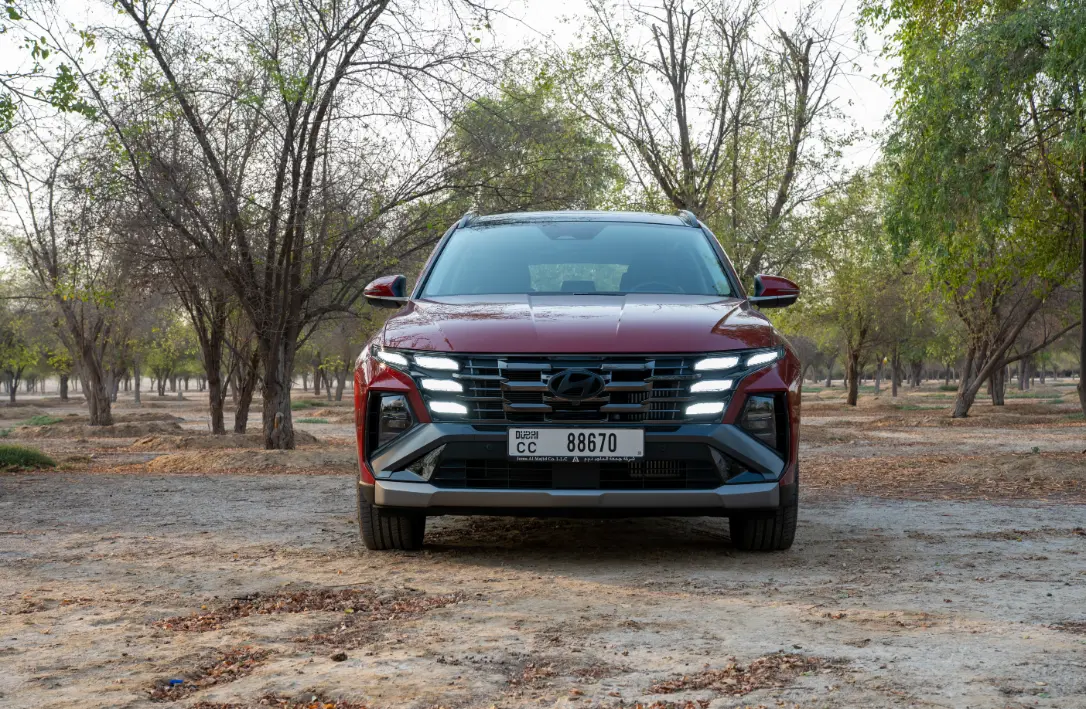
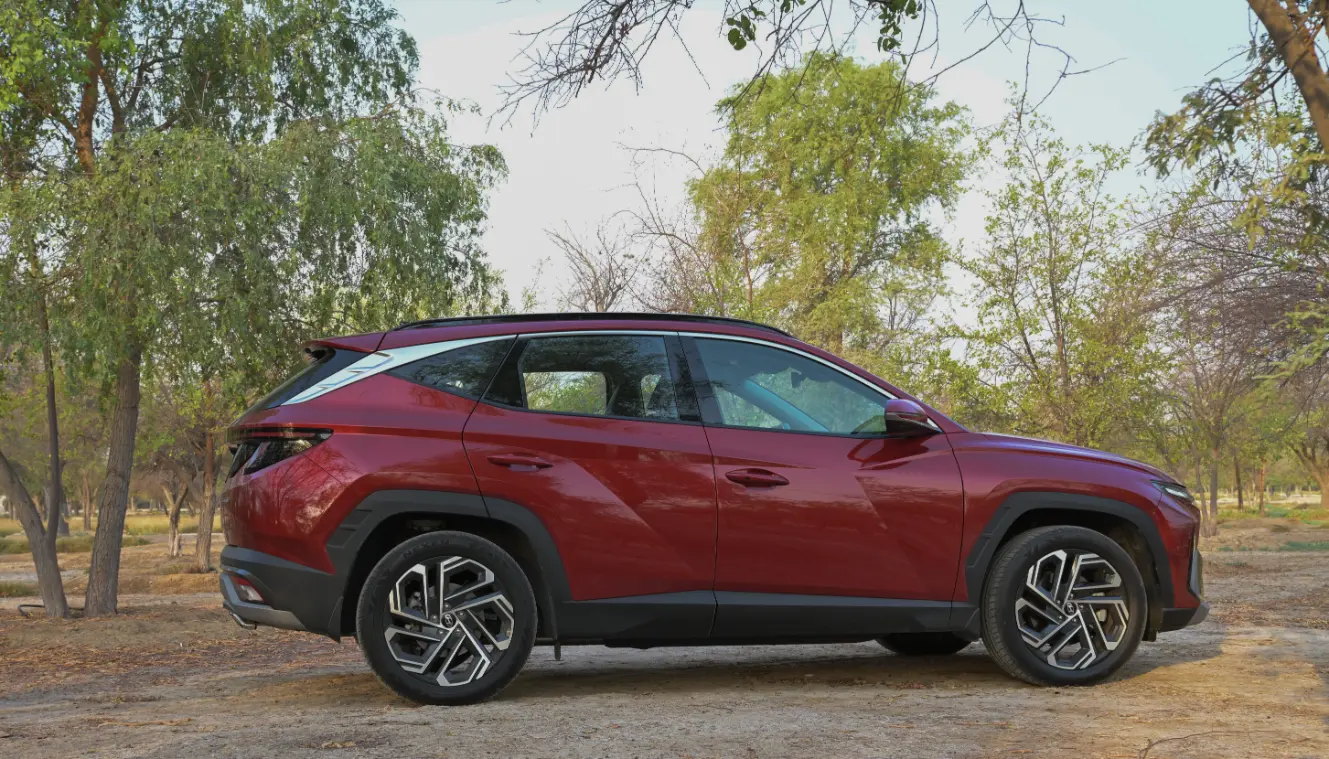
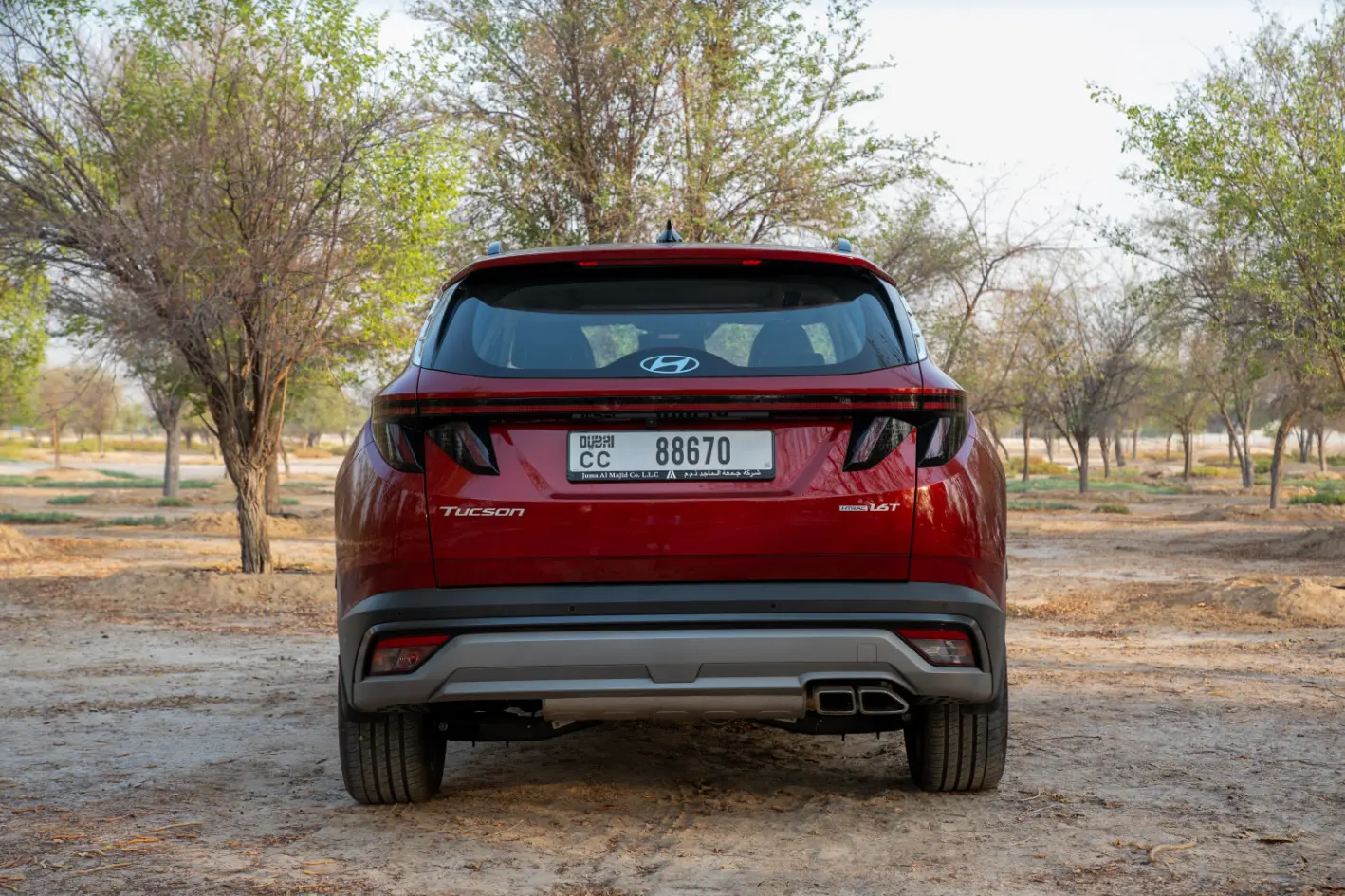
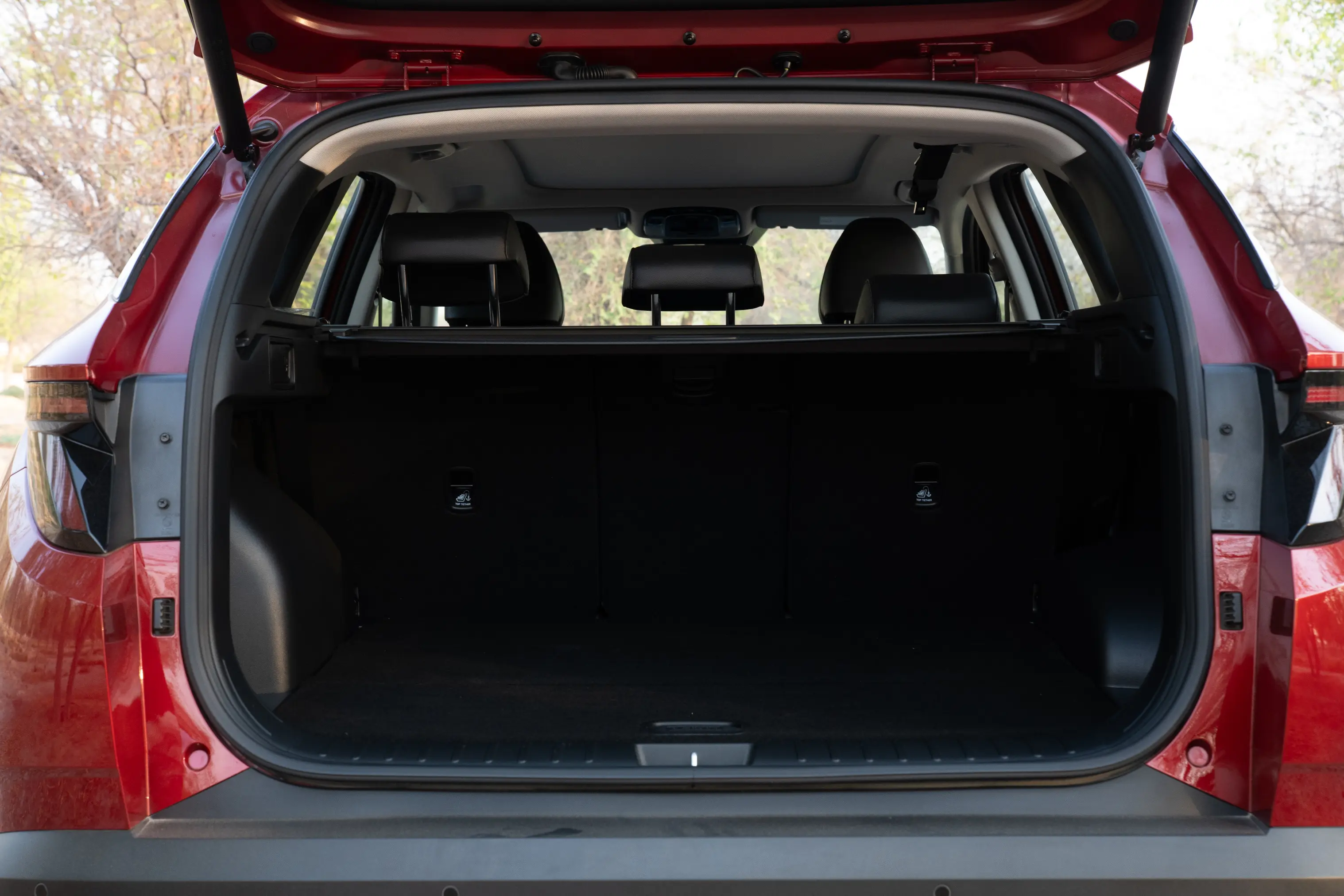
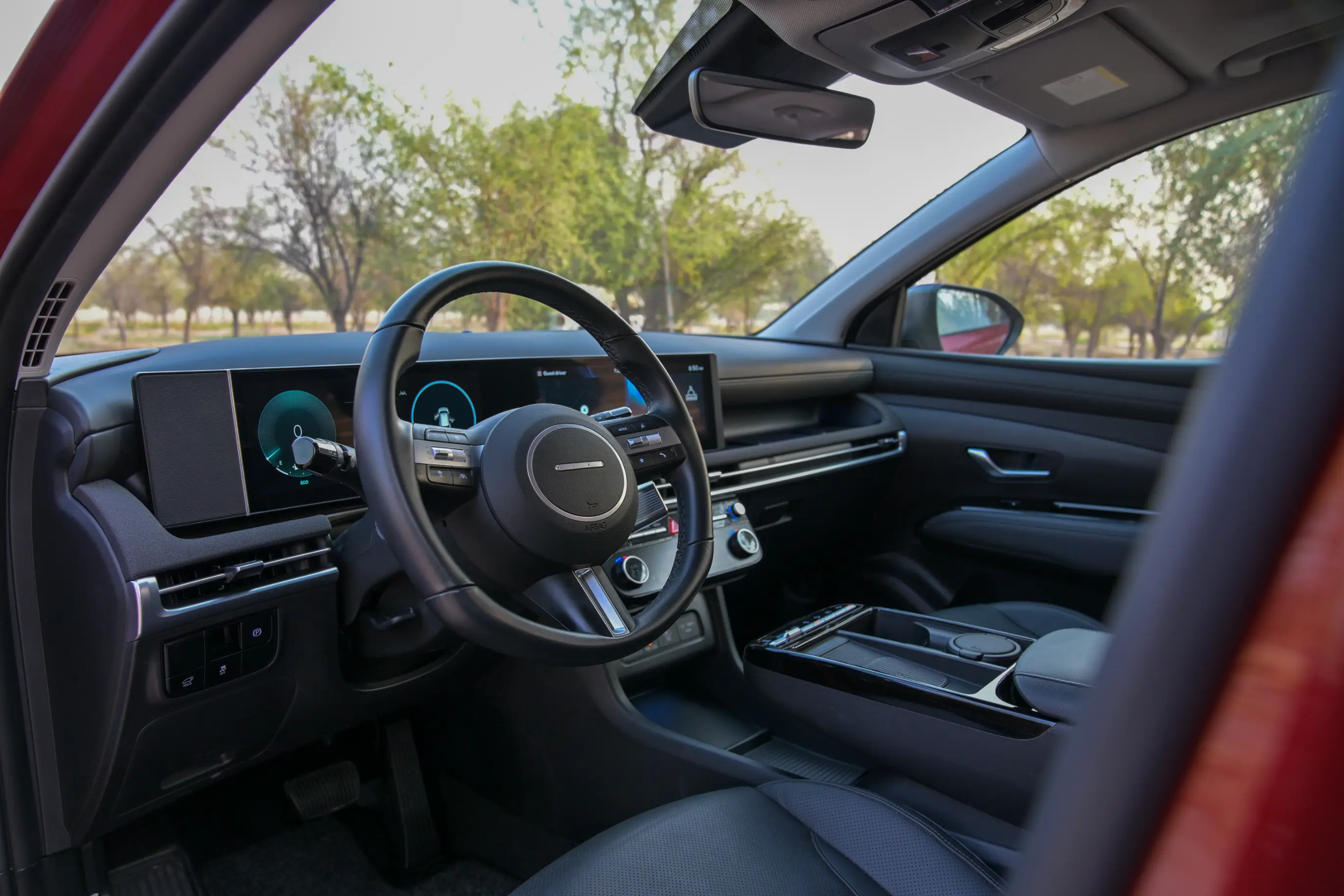
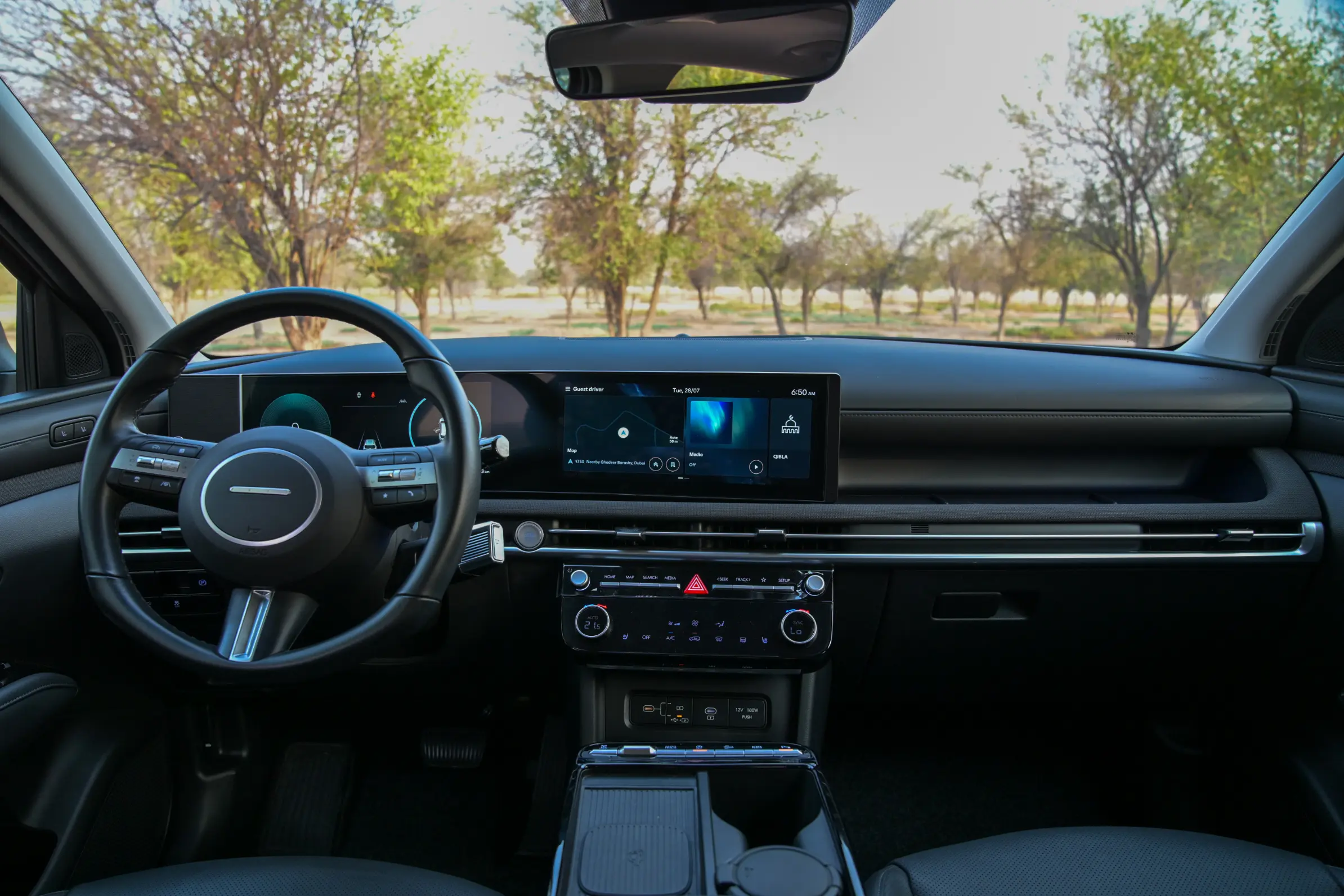
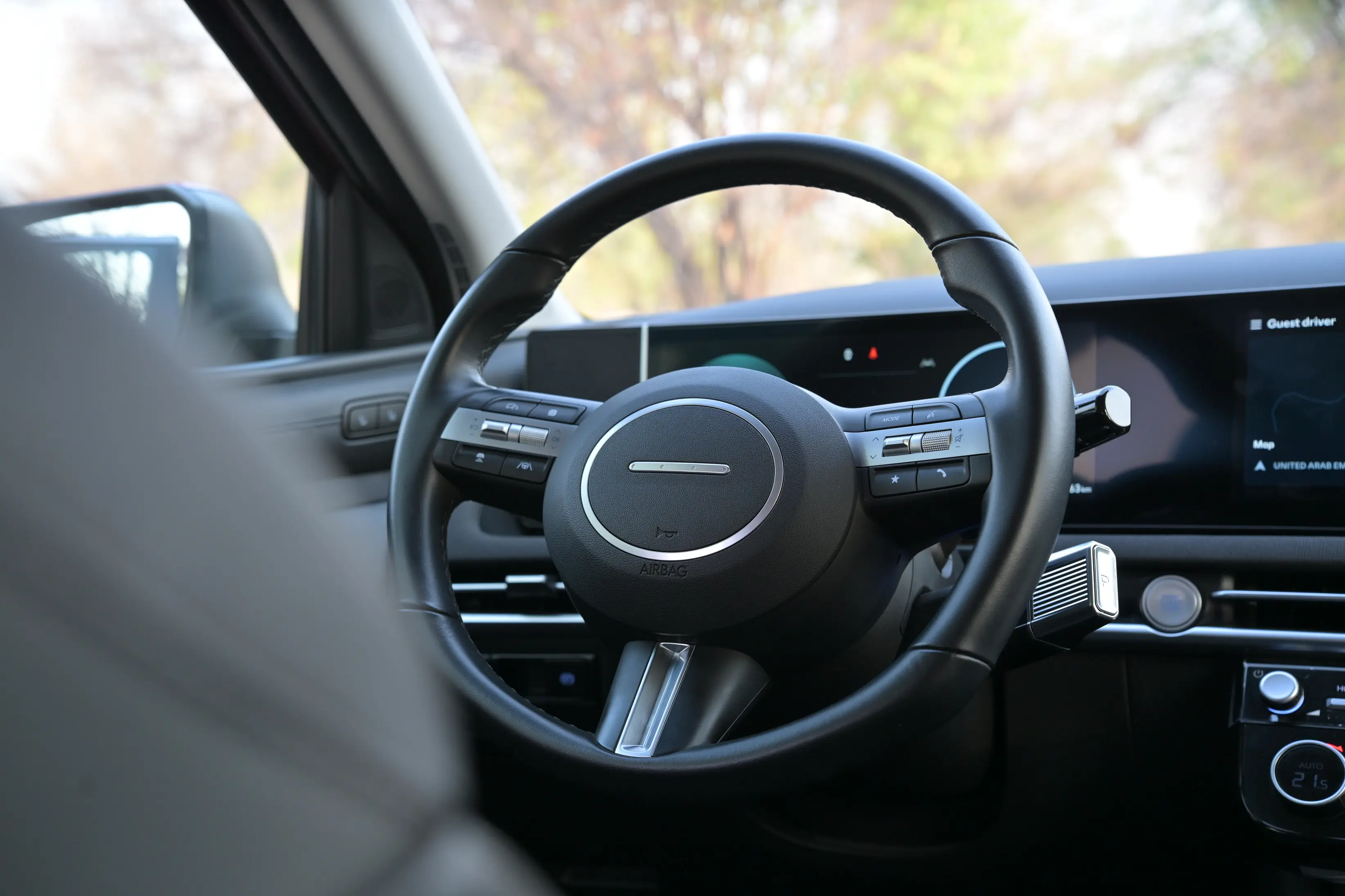
Buying a new car is usually about one big number: the price. But once we get behind the wheel of the Hyundai Tucson in our latest Motor283 video, we look beyond the showroom price to answer a much more important question. How much does a car really cost to own?
The purchase price is only the beginning. Fuel consumption, maintenance, insurance, replacement parts, service center availability, reliability and resale value can all change what a car actually costs over several years. The Tucson gives us a practical way to explore these hidden expenses while also showing how choosing the right specifications, engine and trim can make a major difference to long term ownership.
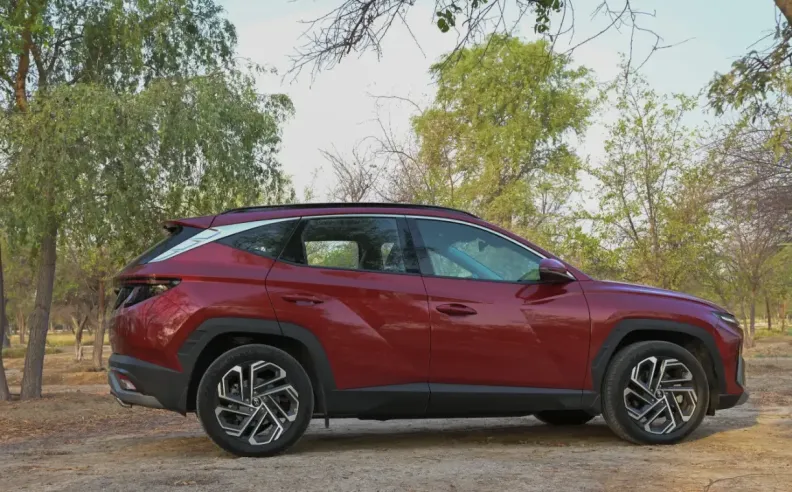
Resale value might feel like something to think about years later, but in reality it should be part of the buying decision from day one. The money you eventually recover from your car directly changes its total ownership cost. Paying slightly more for a vehicle that holds its value well can sometimes make more financial sense than choosing a cheaper alternative that depreciates much faster.
This is also where design becomes more important than many buyers realize. Some manufacturers introduce major exterior changes very quickly, sometimes making a recently purchased model look significantly older within a short period. That can affect how desirable the previous design remains in the used car market.
Hyundai takes a more measured approach. Rather than constantly making dramatic changes simply to create a new look, its models tend to develop through a more controlled design evolution. From our perspective, this helps a car like the Tucson remain visually relevant for longer.
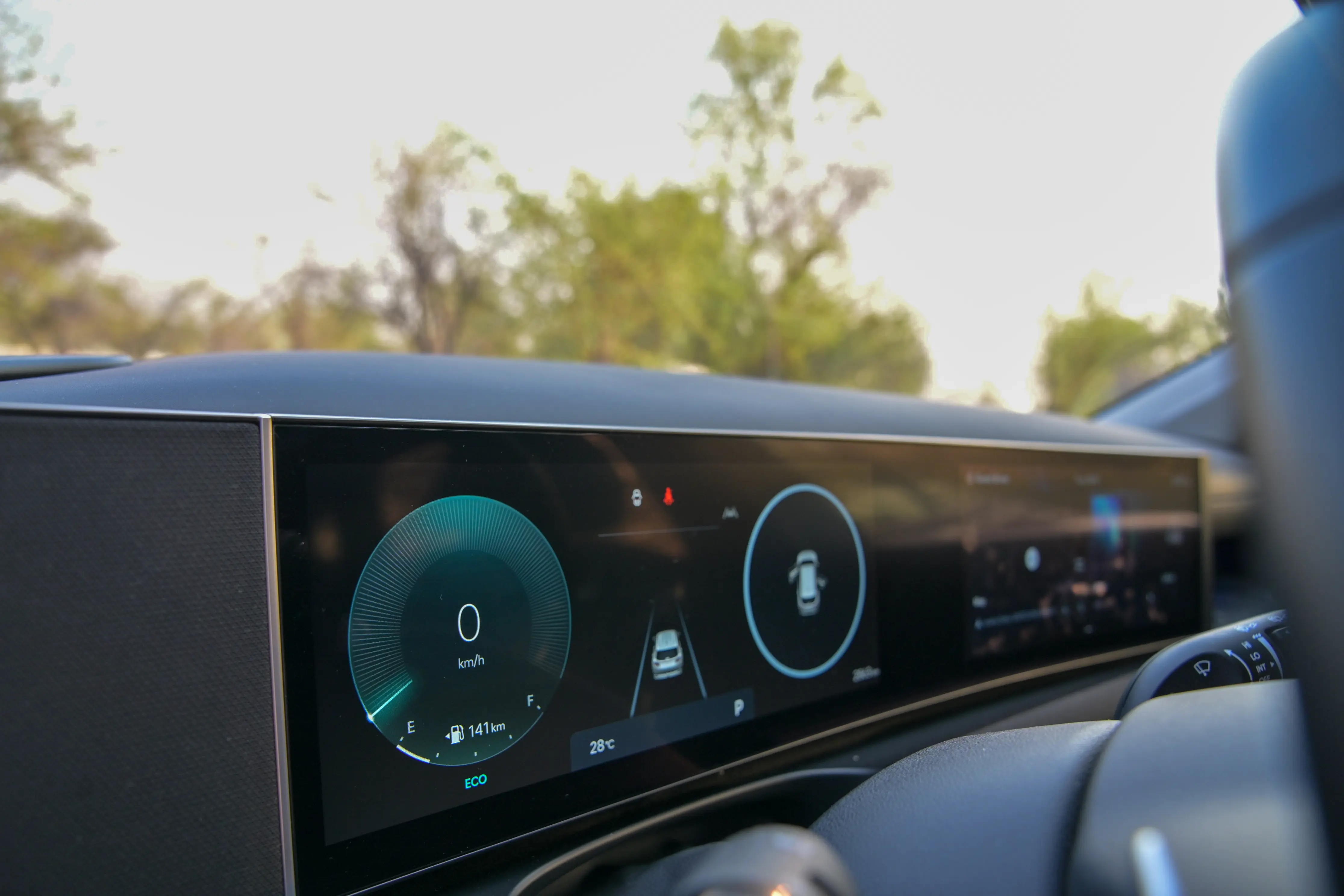
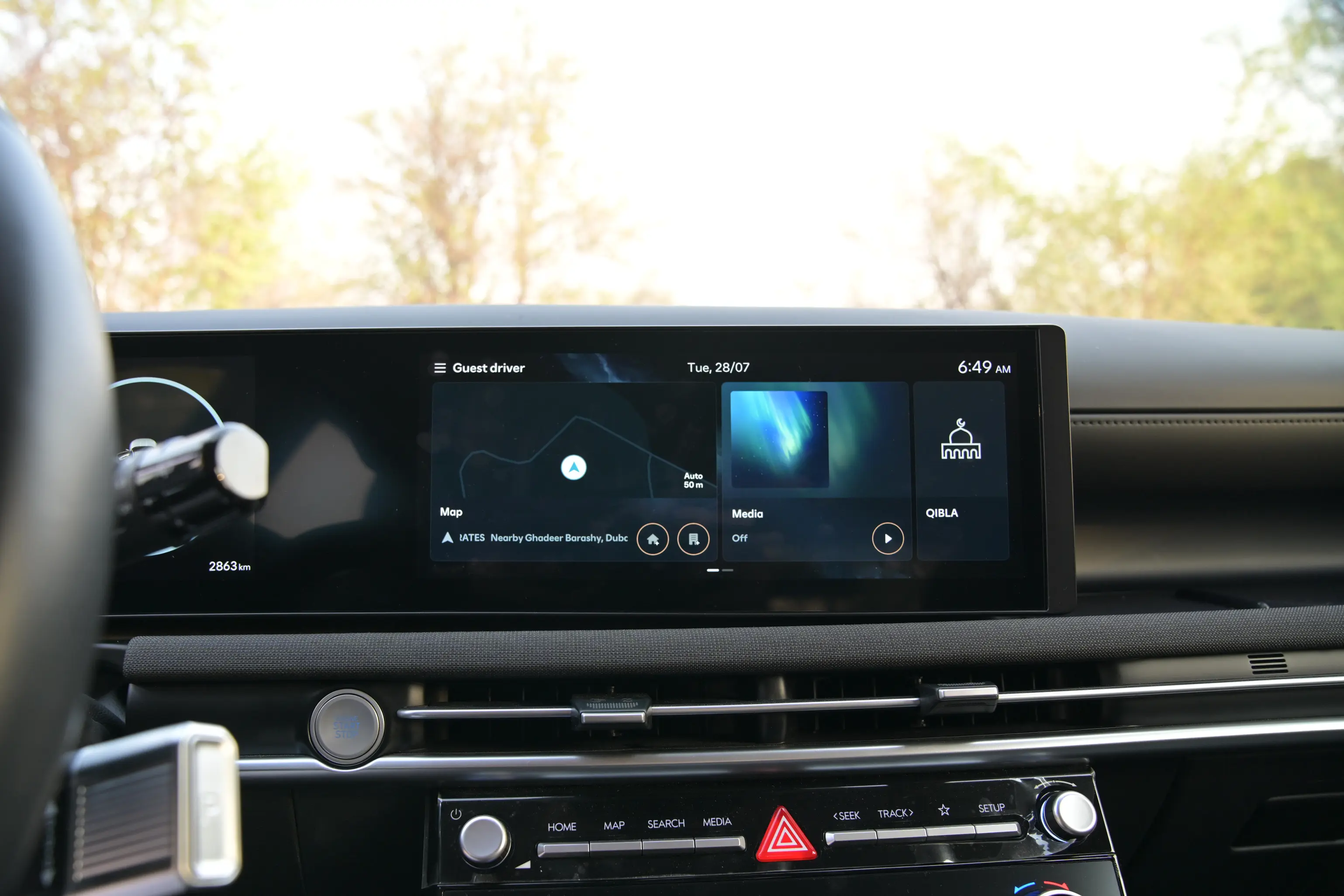
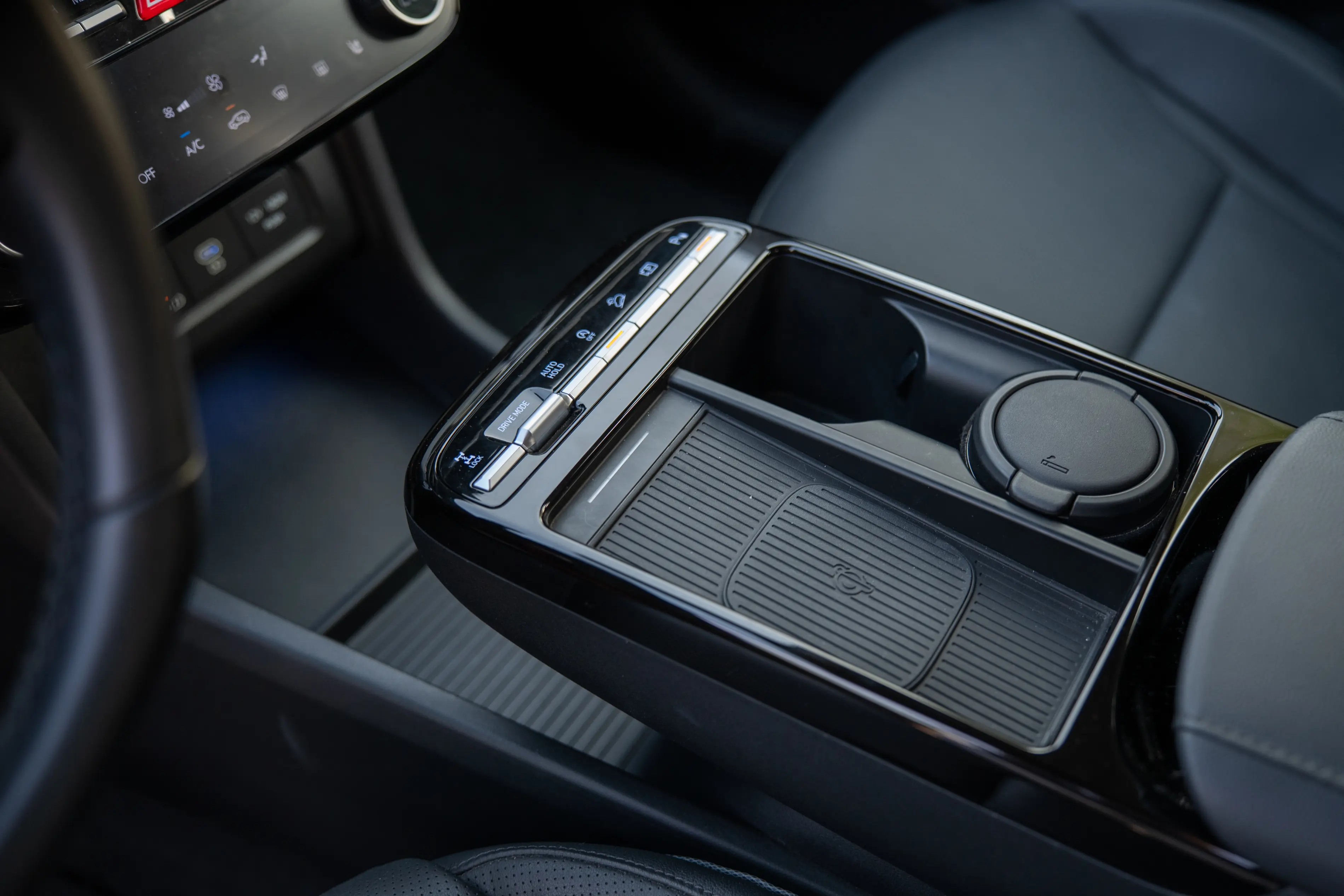
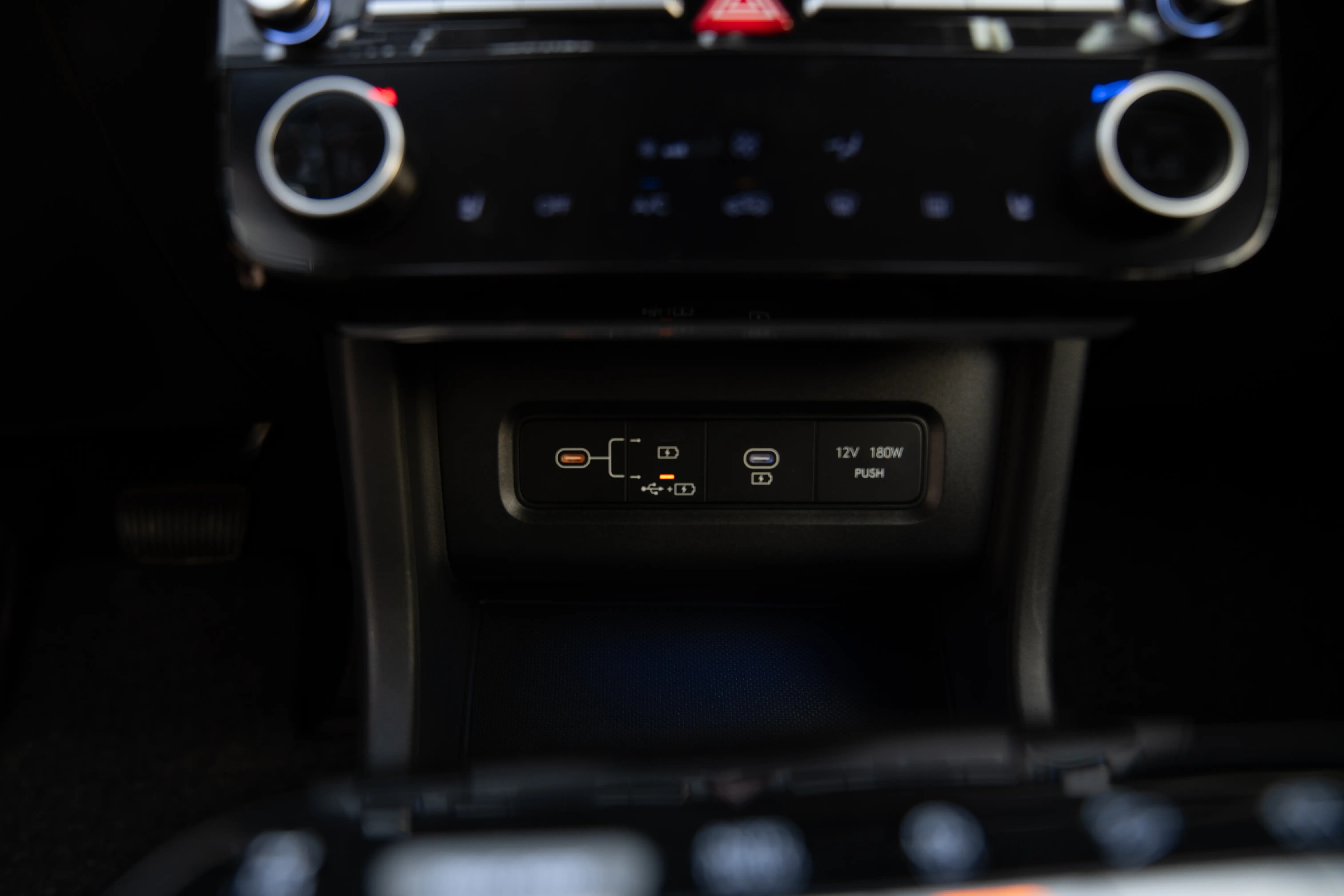
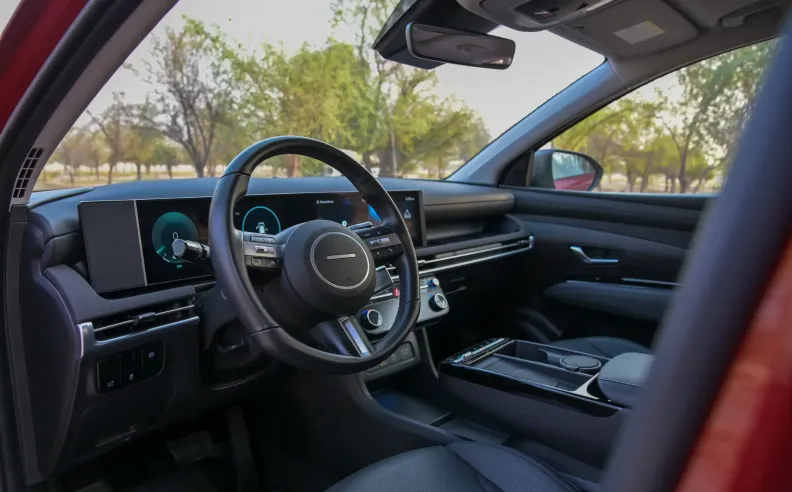
The same applies to equipment. Wireless charging, Apple CarPlay, Android Auto, digital displays, climate controls, driver assistance systems and practical cabin features all contribute to how desirable a used vehicle remains later. When we compare cars, we therefore need to compare specification against specification, engine against engine and trim against trim rather than looking at price alone.
Parts availability is one of the easiest ownership costs to overlook. It usually does not matter when the car is sitting new in a showroom, but it can become extremely important after an accident or mechanical repair.
Imagine that our vehicle needs a replacement component. Getting the car to a workshop already involves time and potentially transportation costs. If the required part is not available, the vehicle can remain at the service center much longer than expected.
That creates another layer of costs. We may need taxis, rental vehicles, or alternative transportation while waiting. If an insurance policy includes a replacement vehicle, longer repair periods can also increase the potential cost of a claim for the insurer.
This is why parts supply and repair times can matter when insurers assess different vehicles. Insurance pricing depends on many variables, but repair costs, replacement part prices and the time required to complete repairs can all play a role.
Hyundai benefits here from having an established presence and an extensive service and parts network across many markets. For an owner, easier access to parts means the possibility of shorter repair times and less disruption. It also matters to the next owner, which brings us straight back to resale value. A used car becomes more attractive when buyers know routine servicing and replacement parts should remain accessible.
When we calculate maintenance costs, it is tempting to look only at the number printed on the service invoice. But the real cost can be much larger.
A service center that is far away means more travel time. Leaving the vehicle for maintenance means arranging transportation back home or to work. If a repair takes several days because parts are delayed, those transportation costs continue growing.
Time itself also has value.
That is why the availability of authorized service centers becomes part of the ownership experience. With a large manufacturer like Hyundai, having access to an established service network can make routine maintenance considerably easier.
Then there is the cost of the maintenance itself. Service offers can vary depending on the market and the time of purchase, but the bigger consideration is what happens after those offers finish. Replacement parts, routine servicing and commonly required components still need to remain reasonably accessible several years into ownership.
This also influences resale value. Someone considering a used Tucson knows that they are buying into an established service ecosystem. That can make the vehicle easier to own after the warranty period and potentially easier to sell when the time comes.
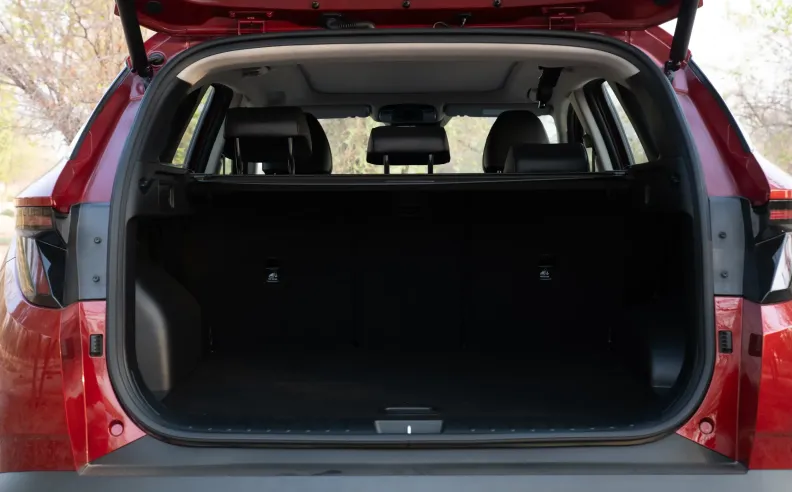
One of the biggest advantages of the Tucson is that there is no single mechanical setup intended for every customer.
Depending on the market, Hyundai offers different engine choices that can include naturally aspirated engines, turbocharged engines, hybrid powertrains, and different drivetrain configurations. That matters because buyers do not all have the same priorities.
Someone driving mostly around the city may prioritize fuel economy. Another buyer may want stronger performance. Someone travelling longer distances may calculate fuel expenses very differently, while another customer may consider Four Wheel Drive important enough to accept slightly higher consumption.
In the version discussed during our video, the 1.6 liter turbo engine produces around 178 hp and 265 Nm of torque. Depending on driving conditions, fuel consumption can vary considerably between city and highway use.
Hybrid versions can push efficiency much further. The important point is not that everyone should choose the most economical engine. Hyundai provides enough options for buyers to match the vehicle to their actual budget and driving habits.
That choice can have a significant effect over several years. Saving a relatively small amount of fuel every day might not seem important during a test drive, but multiply it across thousands of kilometers and several years of ownership, and the difference becomes much more meaningful.
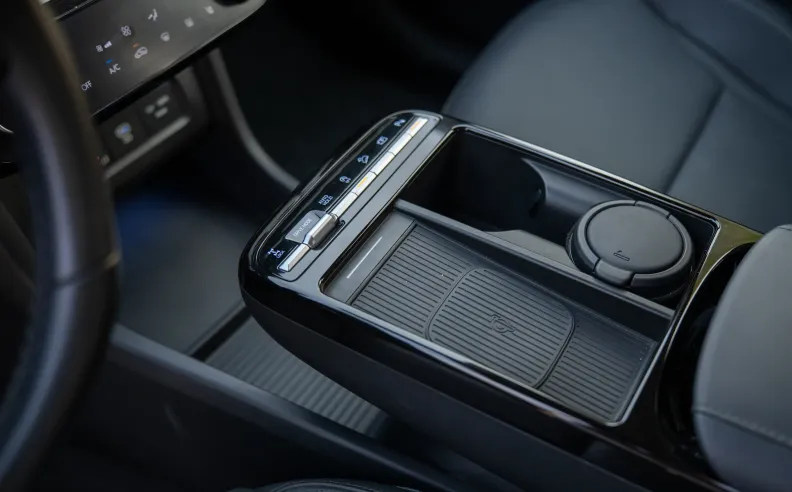
The biggest lesson from our Hyundai Tucson experience is that the cheapest car to purchase is not necessarily the cheapest car to own.
We need to consider the initial price, but then add fuel, insurance, maintenance, replacement parts, repair downtime, transportation during servicing and depreciation. After that, we need to subtract whatever value remains when the car is eventually sold.
Watch the full Motor283 video to join us behind the wheel of the Hyundai Tucson and discover how fuel costs, maintenance, reliability and resale value can completely change the way you judge your next car purchase.

Started my career in Automotive Journalism in 2015. Even though I'm a pharmacist, hanging around cars all the time has created a passion for the automotive industry since day 1.




 SHARE
SHARE

 SEE FULL GALLERY