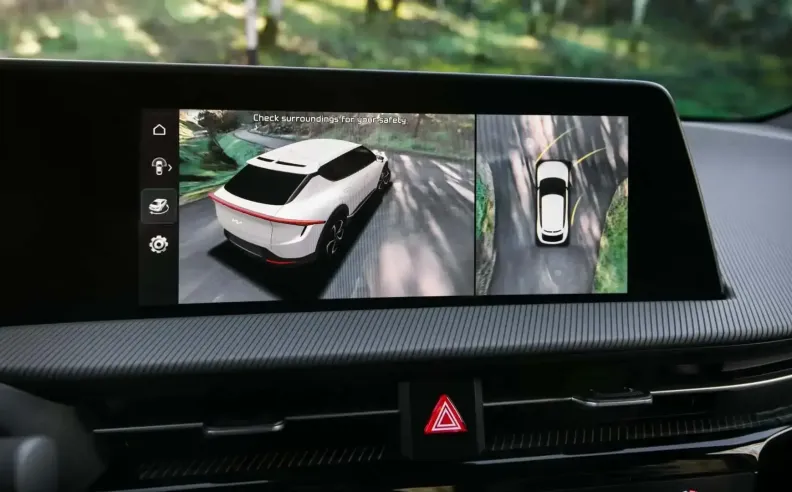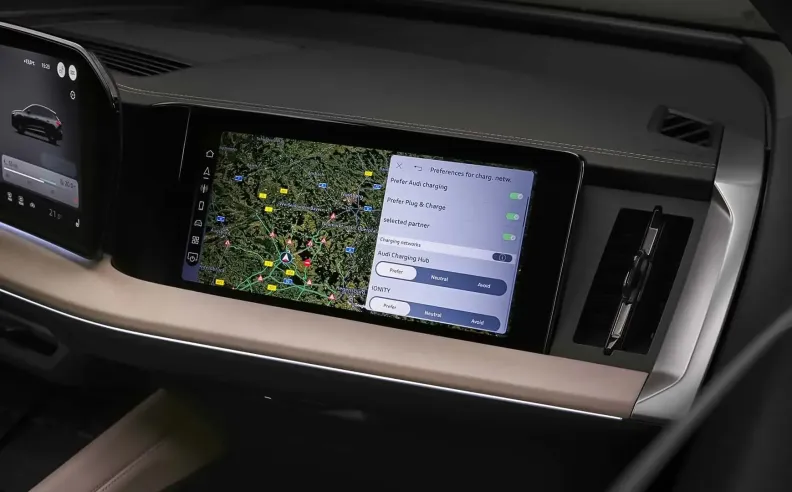
Automakers continue to add more displays across modern dashboards, with the front passenger screen becoming increasingly common even outside the luxury segment. These displays are usually promoted as entertainment and convenience features, allowing passengers to watch videos, manage navigation, or access vehicle functions.
However, the 2026 JD Power Tech Experience Index suggests that many owners are not particularly interested in using them. The study, based on feedback from more than 68,000 owners of 2026 model year vehicles in the United States after three months of ownership, found surprisingly low engagement with front passenger displays.
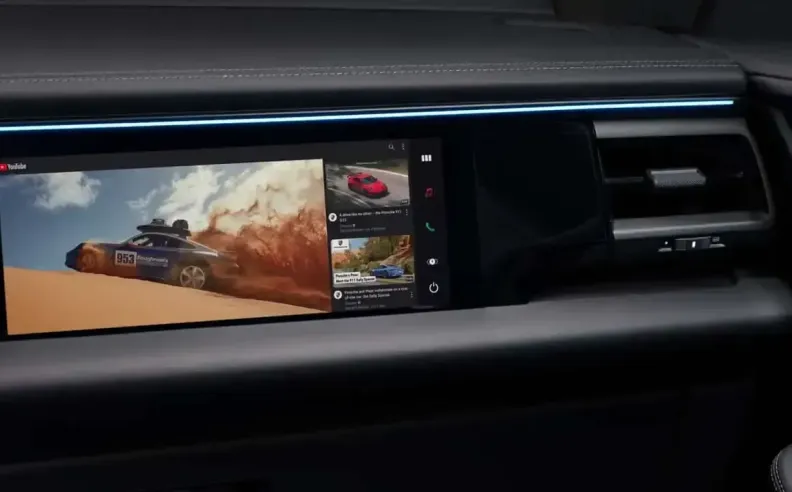
According to the study, 35 percent of owners with a front passenger display said they had never even tried using the feature.
Regular usage was also limited. Only 6 percent of owners reported using the passenger screen on every trip, suggesting that the feature may have a much smaller role in everyday driving than automakers expect.
The results raise questions about whether buyers truly value a second dashboard display or simply accept it as part of the vehicle package.
The study highlights a wider debate about the direction of modern interior design. Automakers have steadily replaced physical buttons with touch controls while expanding screen size and digital functionality.
For some buyers, that creates a futuristic and premium feeling. For others, it can make basic controls more complicated and introduce technology that adds little value to everyday driving.
The JD Power findings suggest that useful technology may matter more than the number of screens inside a car. If a large percentage of owners never use a passenger display, automakers may eventually need to reconsider whether more digital real estate always creates a better cabin experience.
JD Power recorded 21.3 passenger screen related problems for every 100 vehicles included in the study.
These issues contribute to broader dissatisfaction with modern infotainment systems, which are becoming increasingly dependent on software and complex digital interfaces.
Adding more displays also creates more opportunities for glitches, slow responses, connectivity failures, and software errors. That can hurt the overall ownership experience even when the screen itself is not essential to operating the vehicle.
Manufacturers are taking very different approaches to the technology. BMW includes a large passenger display as standard equipment in the 7 Series, while making similar technology optional in vehicles such as the X5.
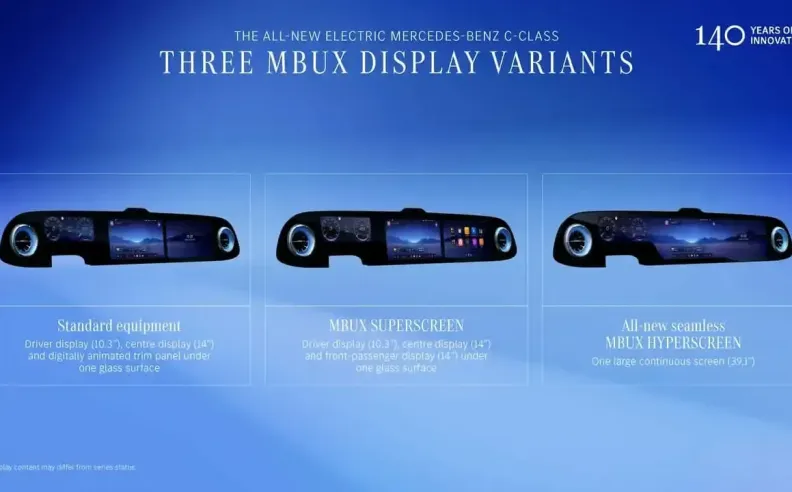
Mercedes Benz has explored another approach in some newer models by using a digital panel in front of the passenger that can display animated graphics and images without functioning as a traditional touchscreen.
These different strategies show that automakers are still deciding whether passenger displays should be major entertainment systems, optional luxury features, or simply visual elements within the cabin.

Started my career in Automotive Journalism in 2015. Even though I'm a pharmacist, hanging around cars all the time has created a passion for the automotive industry since day 1.


 SHARE
SHARE