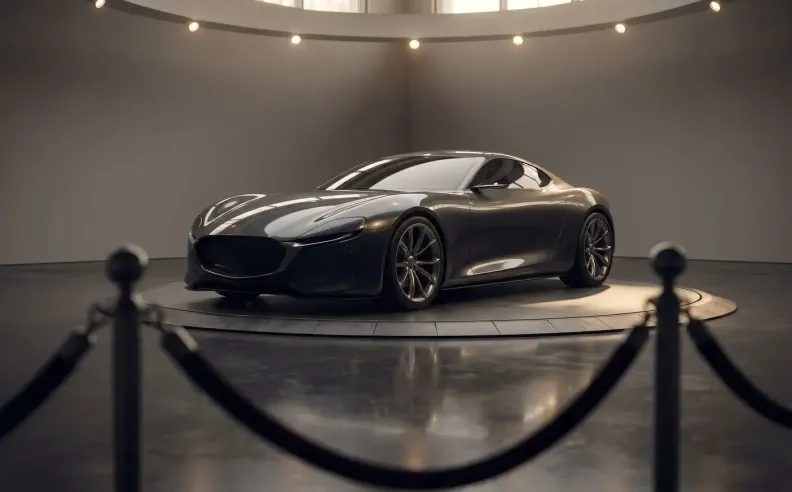
Concept cars are often the stars of international auto shows, capturing attention with futuristic designs, experimental technologies, and extraordinary interiors. However, despite the millions manufacturers invest in developing these vehicles, their fate once the exhibition ends varies considerably. While some become valuable pieces of automotive history, others are dismantled or destroyed shortly after serving their purpose.
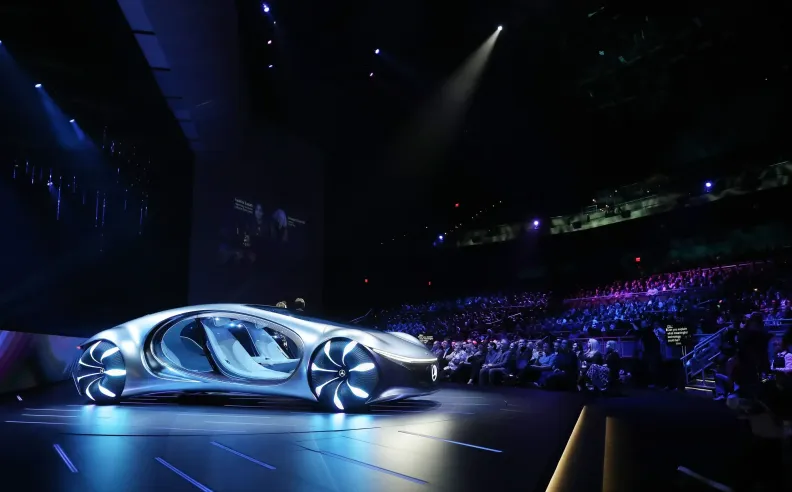
Not every concept car displayed at an automotive exhibition is capable of being driven. Some are full scale design models constructed from fiberglass, aluminum, or plywood without functional engines or transmissions, while others feature basic mechanical components that allow them to move short distances for promotional purposes. More advanced prototypes feature working powertrains and experimental technologies, serving as engineering platforms for future production vehicles. However, even fully functional concepts may not meet the safety, emissions, and regulatory requirements necessary for public road use. Manufacturers such as Mercedes Benz, BMW, and Ford preserve selected concept cars in their historical collections, although maintaining these unique vehicles can be challenging due to their experimental electronics, specialized materials, and limited replacement parts.
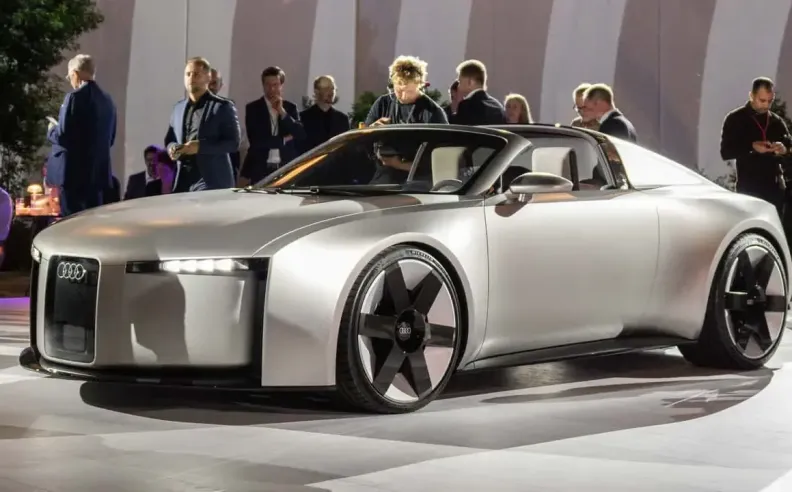
Manufacturers often dismantle or recycle concept cars to reduce storage costs, avoid legal liabilities, and protect confidential engineering technologies. However, historically significant models occasionally find their way into museums or private collections. One famous example is the 1955 Lincoln Futura, which was transformed into the original Batmobile for the 1960s television series. Another is the 2001 Pontiac REV concept, which General Motors donated to the Pontiac Transportation Museum in 2024 for restoration. Purchasing a concept car remains an exceptionally rare opportunity, and ownership comes with considerable challenges, including limited spare parts, expensive maintenance, and restrictions on public road use. Ultimately, the fate of these extraordinary machines depends on their historical significance, construction, and the manufacturer's vision for preserving its automotive heritage.

Started my career in Automotive Journalism in 2015. Even though I'm a pharmacist, hanging around cars all the time has created a passion for the automotive industry since day 1.



 SHARE