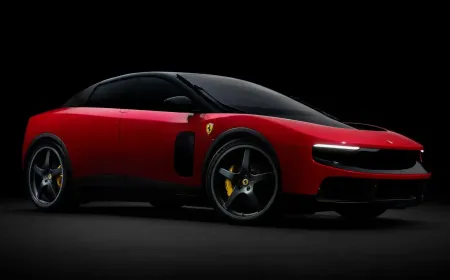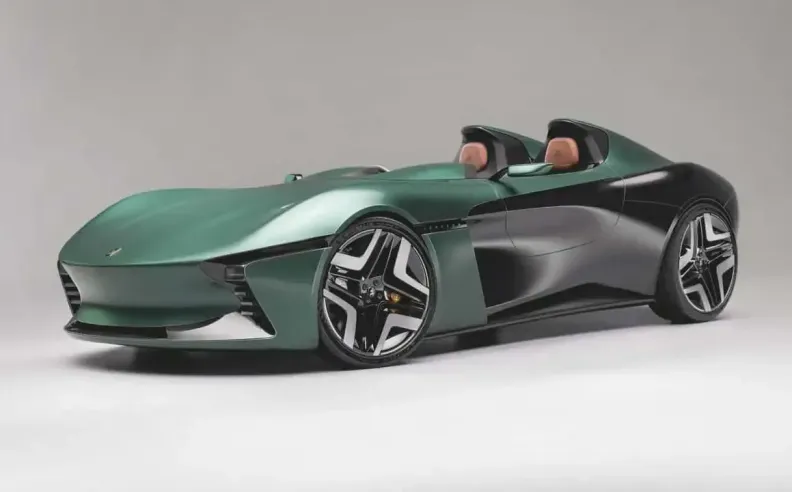
For years, car companies competed to build electric vehicles with bigger horsepower numbers and faster acceleration times. Every new model seemed more extreme than the last. Today, the conversation around performance EVs is beginning to change. Instead of asking how much power an electric sports car can make, many enthusiasts and manufacturers are starting to ask whether massive power numbers still matter at all.
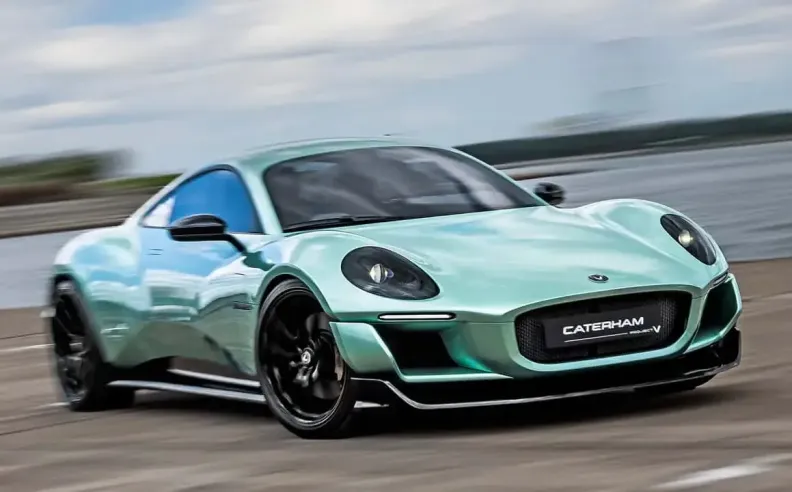
Several major automotive leaders have recently admitted that demand for ultra powerful electric hypercars may not be as strong as expected. Rimac founder Mate Rimac previously explained that buyers are losing interest in electric hypercars, while Koenigsegg CEO Christian von Koenigsegg described demand for these models as extremely low.
Even Chevrolet has openly stated that it does not currently see a strong market for an electric Corvette. These comments highlight an important shift happening across the industry. Carmakers are no longer struggling to increase horsepower because modern EV technology already makes huge power outputs relatively easy to achieve.
Instead, manufacturers are facing a different challenge. Heavy battery packs, complicated electronics, and reduced driving engagement are making many performance EVs feel oversized and disconnected compared to traditional lightweight sports cars.
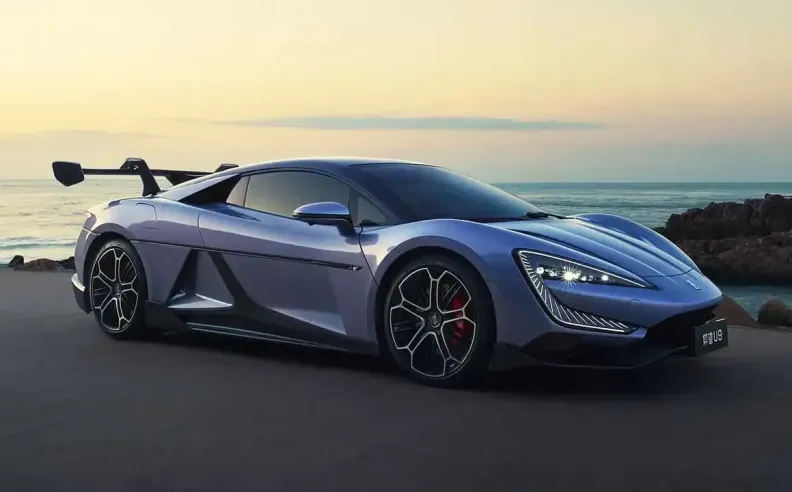
Focusing on lightweight engineering may become the next major direction for electric performance cars. Companies such as Caterham and Longbow are already exploring smaller batteries, reduced weight, and balanced driving dynamics instead of chasing extreme horsepower figures.
This approach could bring back the playful feeling that many drivers miss in modern performance cars. Rather than building heavier and faster machines, manufacturers may begin prioritizing agility, simplicity, and driver involvement.
In many ways, lightweight electric sports cars could offer a refreshing alternative to today’s oversized supercars and hypercars. As adding more power becomes easier for every manufacturer, creating a car that feels balanced and genuinely fun to drive may become the true engineering achievement of the electric era.
The future of electric performance may depend less on giant horsepower figures and more on emotional connection behind the wheel. Drivers still want excitement, but excitement does not always come from speed alone.
By reducing weight and simplifying vehicle design, companies could create electric sports cars that feel more alive and engaging during everyday driving. This philosophy may help performance EVs appeal to enthusiasts who still value handling, precision, and personality over pure numbers.
As the automotive world moves deeper into electrification, restraint and smart engineering could become far more valuable than simply building the fastest car possible.

Started my career in Automotive Journalism in 2015. Even though I'm a pharmacist, hanging around cars all the time has created a passion for the automotive industry since day 1.


 SHARE
SHARE