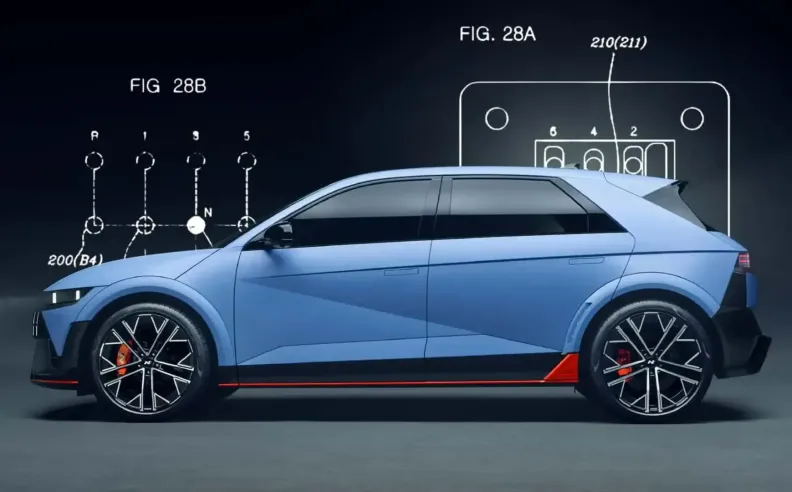
Hyundai is exploring a clever new way to bring old school driving excitement into the electric car era. While EVs are known for instant torque and silent acceleration, many driving fans still miss the feeling of a manual gearbox, a clutch pedal, and the physical rhythm of changing gears. A recent Hyundai patent suggests the brand is working on a smart shift by wire system that can simulate a manual transmission without any real mechanical connection to an engine or gearbox. For future electric sports cars, this could make performance feel more emotional, more involving, and more familiar to drivers who grew up loving gasoline powered machines.
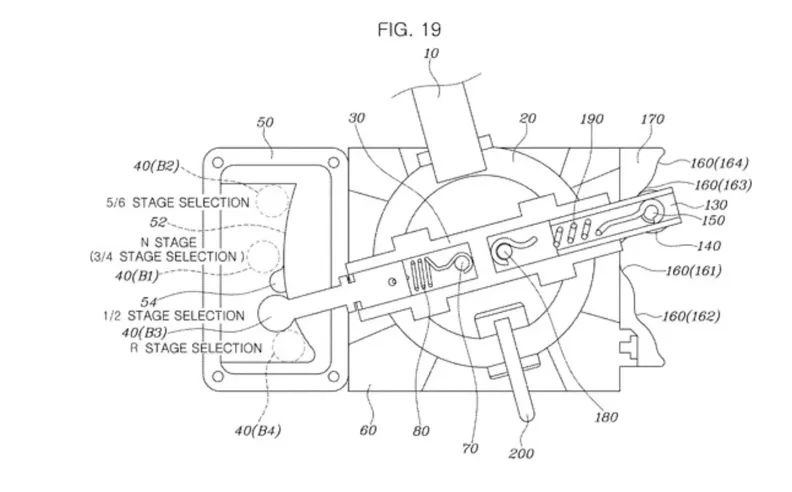
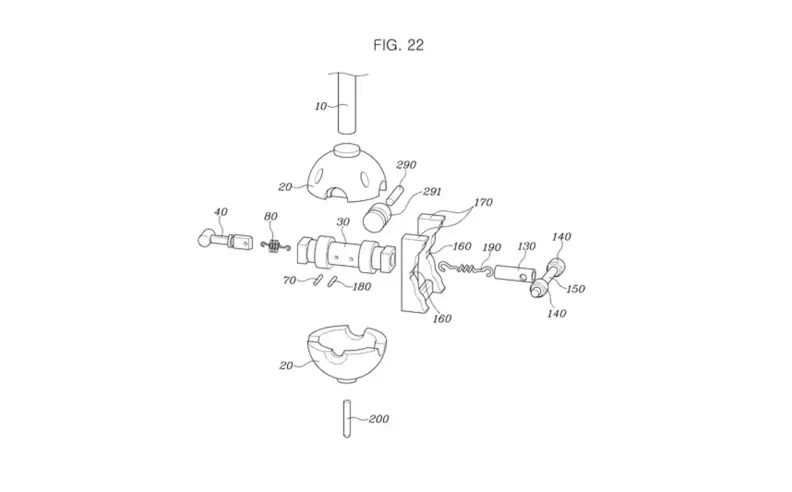
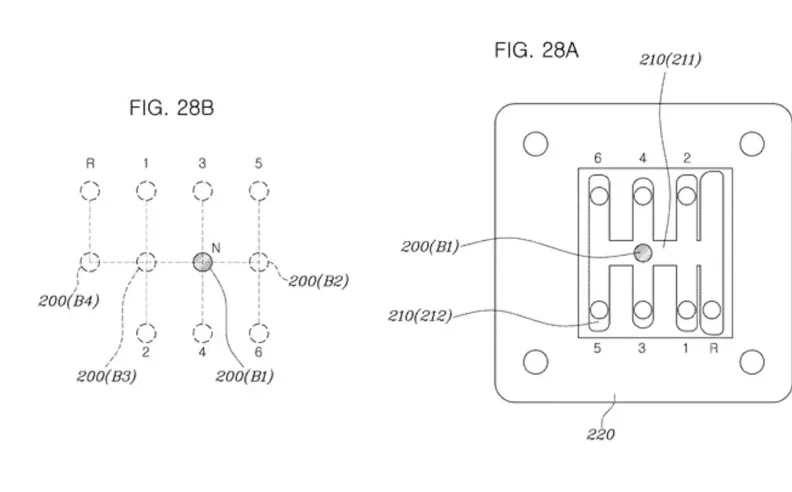
Using a fully electronic shift by wire system, Hyundai wants to create the feeling of a manual gearbox through software, sensors, and a smart shift lever. The patent describes a gear selector that can work in a normal automatic style mode for basic functions such as drive, reverse, and neutral, while also offering a more interactive manual style mode.
Adding more realism, the system includes a clutch related input and sensors that can recognize how the driver moves the shifter. This means the car could simulate the feeling of moving between gear paths, selecting gears, and even passing through a neutral zone, even though an electric motor does not need a traditional gearbox in the same way as a gasoline engine.
Connecting this idea to Hyundai’s recent performance work, the system fits naturally with the kind of simulated gear change experience already seen in the Ioniq 5 N. That car proved that software can make an EV feel more alive by adding artificial shift points, performance sound, and a stronger sense of driver involvement.
Taking a different route from exotic supercar brands, Hyundai appears focused on making this kind of technology feel more accessible in future production performance EVs. Koenigsegg has already explored advanced gearbox ideas with systems that blend automatic and manual style behavior, while Porsche has also patented a selector that can support both automatic and manual modes.
What makes Hyundai interesting is the way it uses software to create emotion rather than only chasing extreme engineering complexity. Instead of building a rare hypercar system for a very small audience, Hyundai could bring a playful manual inspired driving experience to electric performance cars that more enthusiasts can realistically see on the road.
For drivers in Saudi Arabia and the Gulf, this approach could add more personality to the next generation of electric sports cars. It gives performance fans something beyond silent speed, creating a more connected feeling during fast drives, weekend cruises, and spirited moments behind the wheel.
Replacing the raw feeling of a true manual gearbox will never be easy, especially for enthusiasts who love engine sound, clutch feedback, and the physical action of changing gears. Still, Hyundai’s idea shows that digital systems can recreate part of that emotional connection in a smart and convincing way.
If the system feels natural enough, many drivers may focus less on whether the gearbox is real and more on whether the experience is fun. That is where Hyundai has a real opportunity. By combining instant electric performance with simulated gear changes, clutch interaction, and sporty sound, the brand can make future EVs feel less clinical and more exciting.
This kind of innovation also shows that electric sports cars do not have to lose their character. Instead, they can develop a new kind of personality, one shaped by code, sensors, and clever engineering. Hyundai’s manual style EV system could become a key step toward making the electric performance future feel more human, more engaging, and far more entertaining.

Started my career in Automotive Journalism in 2015. Even though I'm a pharmacist, hanging around cars all the time has created a passion for the automotive industry since day 1.


 SHARE
SHARE