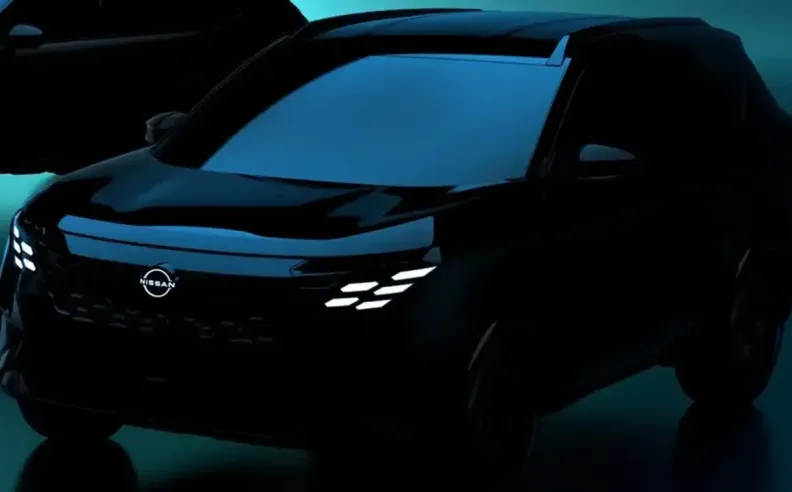
Nissan is finally preparing to make a serious move in the American hybrid space, and the upcoming Rogue e Power could be one of its most important launches in years. After staying away from traditional hybrids in the U.S. while rivals like Toyota and Honda built huge momentum, Nissan is now betting on a very different kind of system to help reshape its future. Instead of copying the familiar formula, the brand is introducing a setup designed to feel much closer to an electric vehicle while still relying on gasoline for convenience and long distance flexibility. That makes the 2027 Nissan Rogue Hybrid e Power more than just another crossover launch. It makes it a key part of Nissan’s recovery story in one of its most important markets.
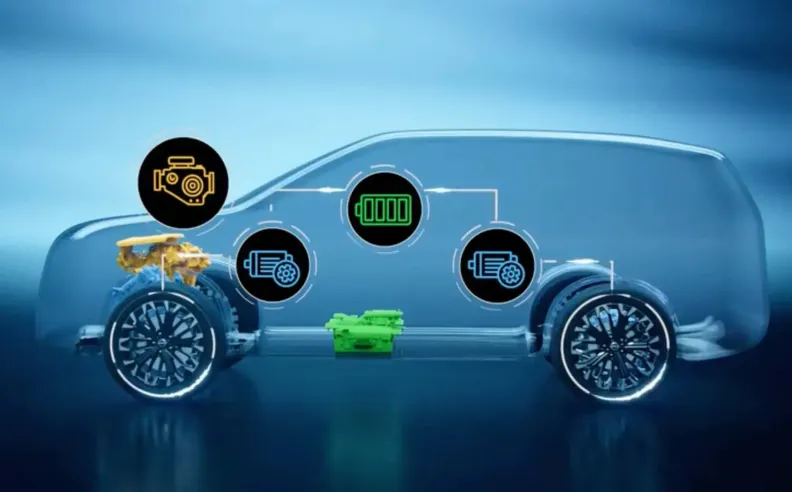
What sets the Rogue e Power apart is the way it delivers its power. Unlike many hybrid SUVs from Toyota, Honda, and Hyundai, Nissan’s system does not let the gasoline engine drive the wheels directly. Instead, the engine works mainly as a generator, creating electricity that powers the battery and the electric motors. Those motors handle the actual driving experience, which gives the Rogue a character that should feel much closer to an EV than a conventional hybrid. For drivers in Saudi Arabia and across the region who are becoming more interested in electrified vehicles but still want the ease of gasoline refueling, that idea could be especially appealing.
Nissan says the Rogue e Power will arrive in the U.S. in late 2026, bringing a version of the brand’s hybrid technology that has already been sold in Europe, Japan, Australia, and many other markets. This American debut matters because Nissan has watched the hybrid boom from the sidelines for years, even as models like the Toyota RAV4 Hybrid and Honda CR V Hybrid kept building demand. The Rogue already remains Nissan’s best selling model in North America, so adding a hybrid version could give it a much stronger position in a crowded segment. More importantly, it gives Nissan a product with a clearer identity, one that blends familiar crossover practicality with a driving feel that leans much more toward modern electric mobility.
Nissan is clearly hoping the answer is yes. The company needs fresh momentum as profits have been pressured by weaker sales in major markets, and the Rogue e Power arrives at a time when hybrid demand remains strong and fuel economy matters more than ever. Nissan is targeting fuel economy above 40 miles per gallon, which would put this model right in the heart of the conversation with the latest Toyota RAV4 and ahead of the Honda CR V Hybrid in projected efficiency. Even though official EPA figures have not yet been released, the company is already framing the Rogue e Power as a serious contender rather than a niche alternative.
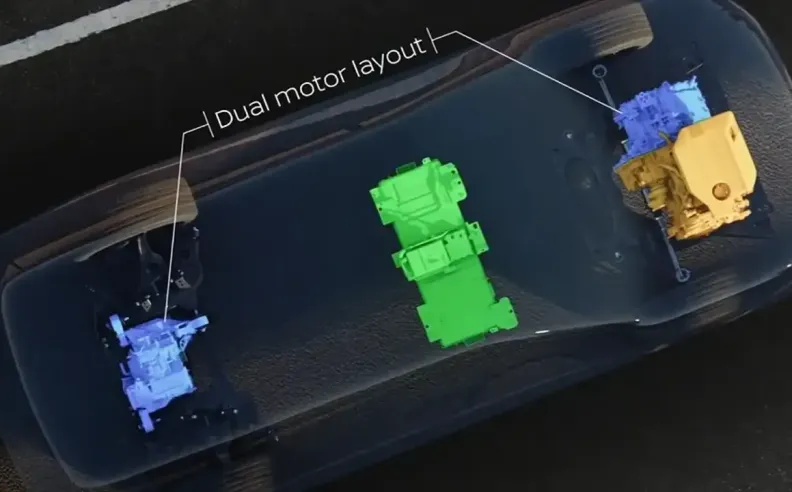
Under the skin, the setup sounds especially interesting. Nissan plans to use an electric motor on each axle for all wheel drive capability, while a 1.5 liter turbocharged three cylinder engine serves as the generator. A 2 kilowatt hour battery supports the system, and Nissan says the third generation e Power hardware now reaches 42 percent thermal efficiency, which is an impressive figure for a gasoline engine. The brand has also refined the software to keep a charge buffer ready in the battery at all times, helping the system stay responsive during faster driving. Questions will remain until road tests in the U.S. begin, especially when it comes to highway behavior, since the lack of a conventional transmission may affect efficiency at higher speeds. Still, the formula sounds promising. If Nissan can combine smooth EV style acceleration, solid real world economy, and competitive pricing, the Rogue e Power may end up being the product that gives the brand the boost it has been missing.

Started my career in Automotive Journalism in 2015. Even though I'm a pharmacist, hanging around cars all the time has created a passion for the automotive industry since day 1.


 SHARE
SHARE