In today’s fast evolving automotive world, electric vehicles continue to reshape how drivers think about performance, efficiency, and sustainability. Yet one surprising reality stands out the moment specs are compared. Electric cars are often much heavier than their gas powered counterparts. At first glance, that might feel counterintuitive, especially when electric power seems simpler than traditional engines. However, once the engineering behind EVs is understood, the weight difference becomes clear. From massive battery packs to reinforced structures, every part of an EV contributes to this extra mass. Understanding why this happens helps explain how electric cars behave on the road and what drivers can expect in terms of safety and long term ownership.

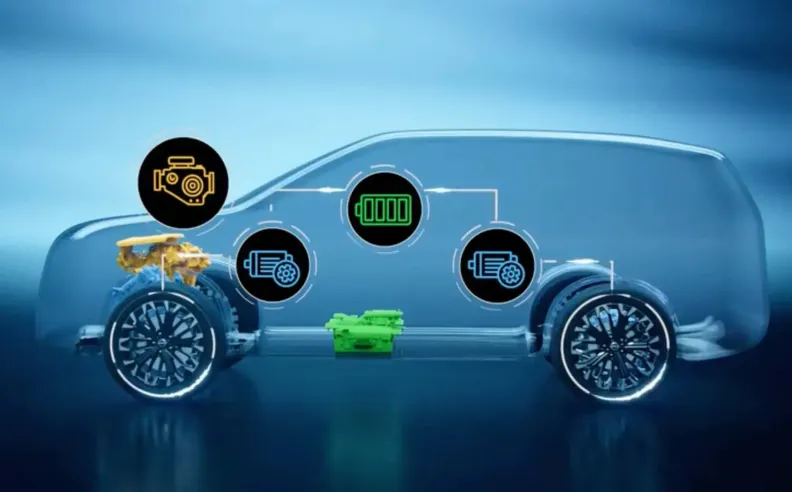
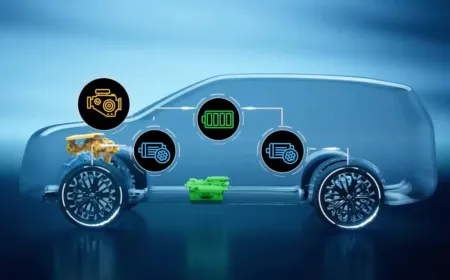
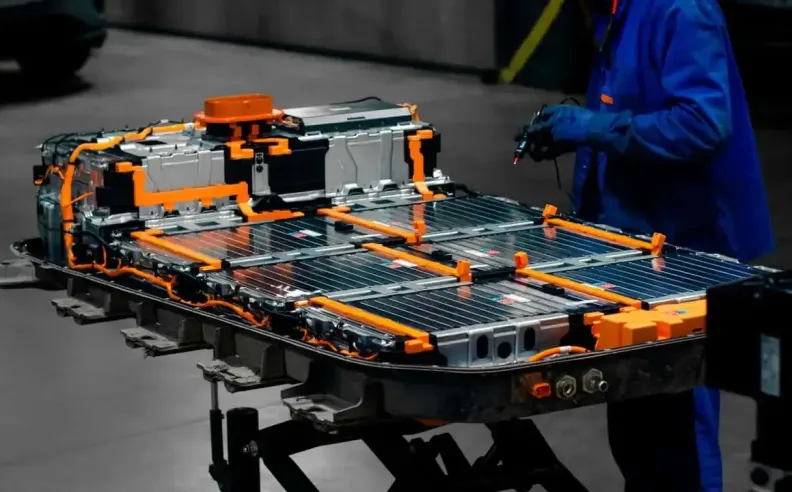
At the core of every electric vehicle lies its battery pack, and this is the single biggest reason behind the added weight. Engineers design these lithium ion batteries to store as much energy as possible in a compact space, but achieving that requires dense materials such as nickel, cobalt, and iron. These materials are naturally heavy, and when thousands of battery cells are combined into one large unit placed under the vehicle floor, the total weight increases significantly.
In real world comparisons, the difference becomes obvious. A traditional sedan like the BMW 530i weighs just over 4,000 pounds, while its electric counterpart, the BMW i5, approaches nearly 5,000 pounds. In some cases, the gap can exceed 1,000 pounds, especially in all wheel drive models. Larger electric trucks push this even further, with some models reaching over 9,000 pounds, far heavier than most gas powered SUVs.
This increase is not just about the battery itself. Automakers must also add strong protective casings to keep the battery safe during crashes. They reinforce suspension systems to handle the extra load and maintain stability. As a result, the battery creates a chain reaction where multiple components become heavier to support it.

Extra weight changes how a vehicle behaves in everyday driving, and electric cars are no exception. On one hand, the low placement of the battery gives EVs a lower center of gravity, which improves stability and enhances traction. This helps the car feel planted on the road, especially during acceleration. However, the added mass also introduces trade offs that drivers notice over time.
Heavier vehicles typically require longer distances to stop, which can impact braking performance. Tires also wear out faster because they must Extra weight changes how a vehicle behaves in everyday driving, and electric cars are no exception. On one hand, the low placement of the battery gives EVs a lower center of gravity, which improves stability and enhances traction. This helps the car feel planted on the road, especially during acceleration. However, the added mass also introduces trade offs that drivers notice over time.
Heavier vehicles typically require longer distances to stop, which can impact braking performance. Tires also wear out faster because they must bear more load while dealing with the instant torque electric motors deliver. This combination of weight and power increases stress on components compared to traditional vehicles.
From a safety perspective, weight plays a major role beyond the driver. Studies have shown that heavier vehicles can pose greater risks to pedestrians and occupants of lighter cars during collisions. In fact, increasing vehicle weight by around 1,000 pounds can significantly raise the severity of accidents. Additionally, battery related fire incidents, while rare, tend to be more difficult to control compared to gasoline fires, adding another layer of concern.
Despite these challenges, the future looks promising. New technologies such as solid state batteries aim to reduce weight while increasing energy capacity. Early developments suggest that future battery packs could deliver the same range with significantly less mass. Until then, the current generation of electric vehicles will continue to balance weight with performance, safety, and innovation.more load while dealing with the instant torque electric motors deliver. This combination of weight and power increases stress on components compared to traditional vehicles.
From a safety perspective, weight plays a major role beyond the driver. Studies have shown that heavier vehicles can pose greater risks to pedestrians and occupants of lighter cars during collisions. In fact, increasing vehicle weight by around 1,000 pounds can significantly raise the severity of accidents. Additionally, battery related fire incidents, while rare, tend to be more difficult to control compared to gasoline fires, adding another layer of concern.
Despite these challenges, the future looks promising. New technologies such as solid state batteries aim to reduce weight while increasing energy capacity. Early developments suggest that future battery packs could deliver the same range with significantly less mass. Until then, the current generation of electric vehicles will continue to balance weight with performance, safety, and innovation.

Started my career in Automotive Journalism in 2015. Even though I'm a pharmacist, hanging around cars all the time has created a passion for the automotive industry since day 1.


 SHARE
SHARE