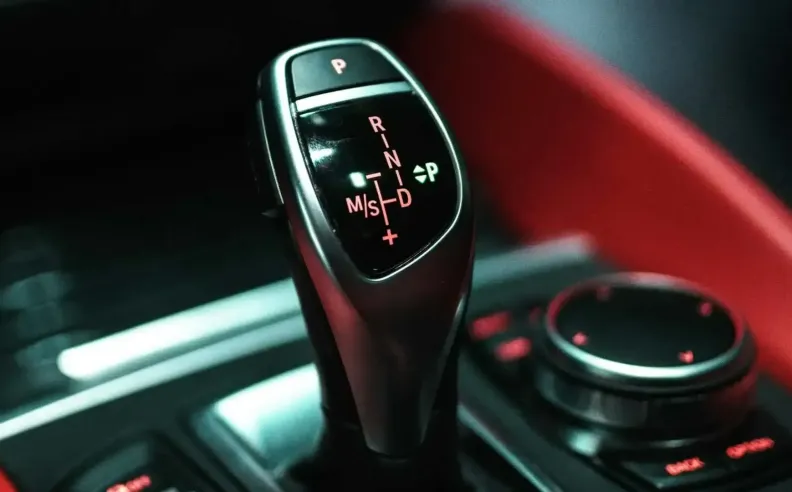
Many drivers make small mistakes during everyday maneuvers without realizing the mechanical stress they can create. One of the most common is shifting between Drive and Reverse while the car is still moving.
This often happens in parking lots, driveways and garages, where the driver changes direction before the vehicle has fully stopped. Modern cars may appear to handle this smoothly, but repeating the habit can place unnecessary stress on the transmission and other drivetrain components over time.
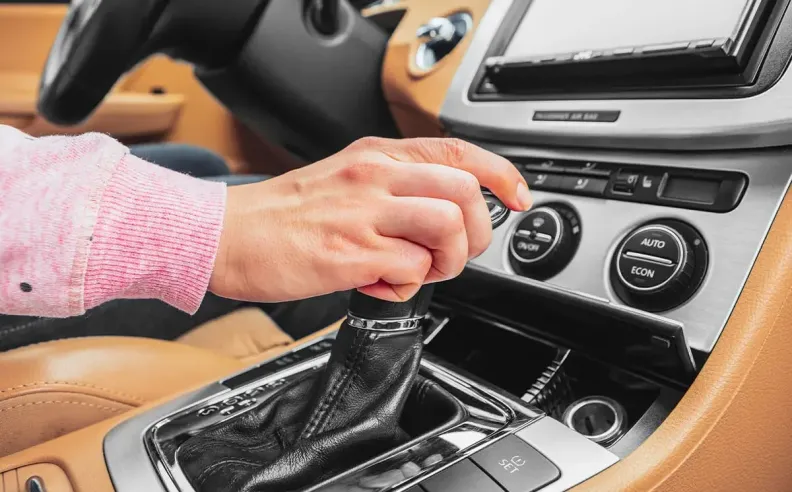
Yes, especially if it becomes a regular habit. When the car is moving in one direction, the wheels, axles and internal transmission components are carrying momentum in that direction.
Selecting the opposite gear before the vehicle stops asks the drivetrain to reverse that motion while the car is still rolling. This can create a sudden load on internal clutches, gears, mounts and other drivetrain parts.
Modern transmissions may soften or delay the engagement to protect themselves, but that does not make the habit ideal. The safest approach is simple. Stop completely, keep your foot on the brake, then select the opposite gear.
Park is designed to hold a vehicle that has already stopped. It is not meant to function as a brake.
Inside many automatic transmissions, a mechanical locking component prevents the drivetrain from rotating once Park is selected. Trying to engage it while the car is still moving can create a sharp mechanical shock.
Some newer vehicles use electronic protection to prevent Park from engaging at certain speeds. Even so, drivers should not depend on these systems as part of normal driving.
Use the brakes to bring the vehicle to a complete stop first, then select Park.
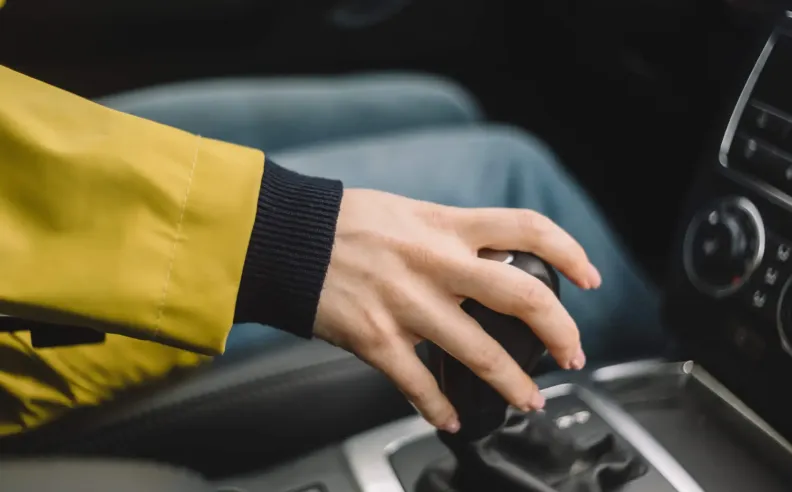
Yes. Transmission damage does not always happen after one mistake.
Repeated changes in direction while the vehicle is still moving can create cumulative wear over months or years. Internal clutch packs, transmission mounts and drivetrain components can all experience extra stress from repeated sudden changes in torque direction.
Problems may eventually appear as delayed engagement, rough shifting, unusual noises or a noticeable jolt when selecting Drive or Reverse.
The fact that the car continues to work normally after one rough shift does not mean the habit is harmless.
Bring the car to a complete stop before changing direction. Keep the brake pedal pressed, select the new gear, then accelerate smoothly.
The same principle applies when selecting Park. Stop the vehicle with the brakes before moving the transmission into P.
This small pause costs almost no time, but it reduces unnecessary stress on the transmission and drivetrain. Over years of ownership, a simple one second habit can help protect one of the most expensive mechanical systems in the car.

Started my career in Automotive Journalism in 2015. Even though I'm a pharmacist, hanging around cars all the time has created a passion for the automotive industry since day 1.


 SHARE
SHARE