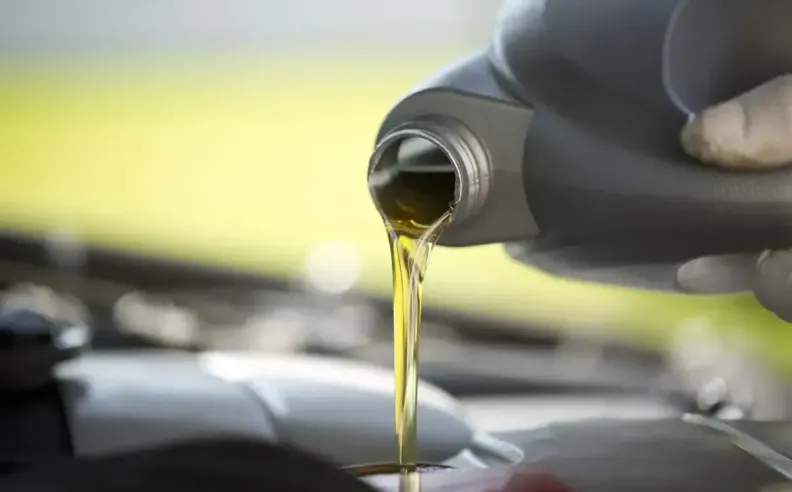
A fresh smelling car makes every journey more enjoyable, whether it is a quick daily commute or a long road trip across Saudi Arabia. However, maintaining that clean and welcoming atmosphere takes more than hanging a new air freshener from the rearview mirror. Unpleasant odors often come from hidden food scraps, trapped moisture, dirty carpets, or neglected air conditioning systems. While fragrances might temporarily cover these smells, they rarely address the real problem. Fortunately, a few simple cleaning habits and regular maintenance can help keep your car smelling fresh for longer, without constantly spending money on air fresheners.
The secret to a consistently fresh car starts with eliminating the source of unwanted odors rather than trying to cover them up. Begin by removing food wrappers, old receipts, and anything that might have been forgotten inside the cabin. Pay particular attention to the spaces beneath the seats, door pockets, seat rails, and hidden compartments in the trunk, where dirt and food particles can easily accumulate.
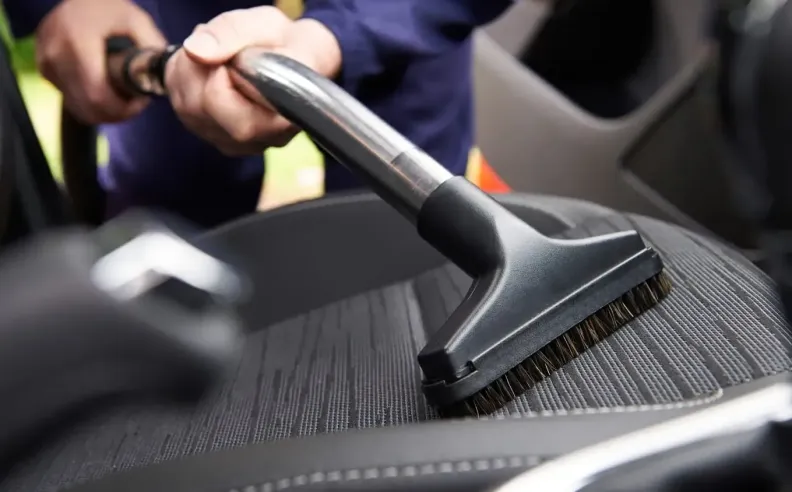
Next, thoroughly vacuum the carpets, seats, and hard to reach corners using a narrow vacuum attachment. Floor mats deserve special attention because they frequently collect dust, spilled drinks, and moisture. Rubber mats can generally be washed with water and suitable cleaning products, while fabric mats require appropriate cleaning methods based on their material. Most importantly, allow everything to dry completely before returning it to the vehicle, as trapped moisture can encourage mold growth and musty odors.
Upholstery also plays an important role in maintaining a pleasant interior. Use dedicated automotive cleaners for leather or fabric seats, avoiding excessive water that could soak into the cushioning underneath. Regular cleaning, combined with proper ventilation, helps preserve the cabin materials while preventing unpleasant smells from returning.
Even a spotless interior can develop unpleasant odors if the air conditioning system is neglected. A musty smell appearing immediately after switching on the AC often indicates moisture buildup or contamination within the ventilation system.
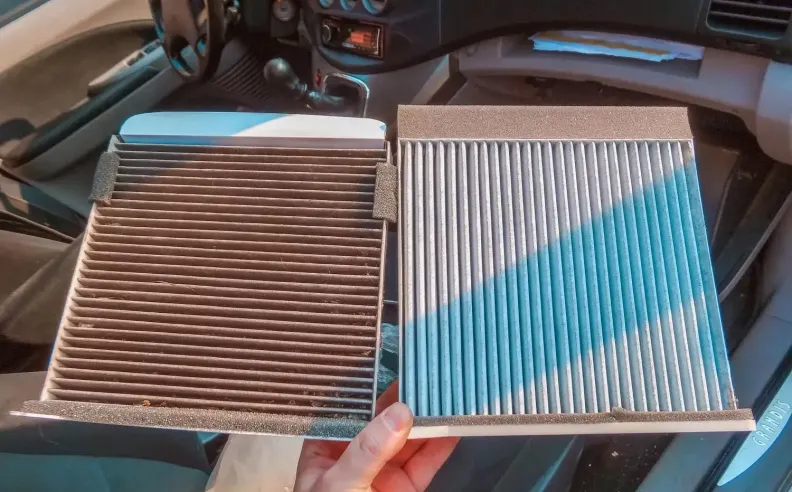
The cabin air filter is one of the first components worth checking. Over time, it collects dust, pollen, and airborne particles, potentially restricting airflow and contributing to unpleasant smells. Replacing it according to the manufacturer's recommendations can help maintain cleaner airflow throughout the cabin.
Meanwhile, moisture accumulating around the AC evaporator can encourage bacteria and mold growth. If the unpleasant smell persists, a professional inspection and cleaning using products designed specifically for automotive air conditioning systems may be necessary. Avoid spraying household cleaners directly into the vents.
Once the cabin is clean and dry, choosing a subtle fragrance can provide the finishing touch. Vent mounted fresheners distribute their scent through the airflow, while gel based products offer a more consistent release. Light fragrances such as citrus or fresh linen generally create a pleasant atmosphere without overwhelming passengers.
However, not every unusual smell should be treated with an air freshener. A sweet smell could indicate a coolant leak, while fuel or burning odors may signal a potentially serious mechanical issue. In those situations, finding a safe place to stop and arranging an inspection is more important than masking the smell.
Ultimately, keeping your car smelling fresh comes down to cleanliness, proper ventilation, and regular maintenance. Addressing moisture and hidden dirt before they become problems helps create a more comfortable driving environment while reducing the need for constantly replacing air fresheners.

Started my career in Automotive Journalism in 2015. Even though I'm a pharmacist, hanging around cars all the time has created a passion for the automotive industry since day 1.


 SHARE