Rev matching is one of those manual driving techniques that can sound complicated until you understand what is happening mechanically. Anyone who has selected a lower gear and released the clutch too quickly has probably felt the car suddenly jerk forward or slow down.
That movement happens because the engine and transmission are rotating at different speeds. Rev matching reduces that difference before the clutch reconnects, creating a much smoother downshift.
A lower gear requires the engine to rotate faster at the same road speed. For example, the engine might be turning at 2,000 rpm in a higher gear while the lower gear requires approximately 3,000 rpm.
If the driver selects that lower gear and simply releases the clutch, the drivetrain suddenly forces the engine to speed up. That rapid change is what causes the noticeable tug through the car.
The clutch absorbs much of this difference, but the transition can feel uncomfortable and may temporarily disturb the balance of the vehicle.
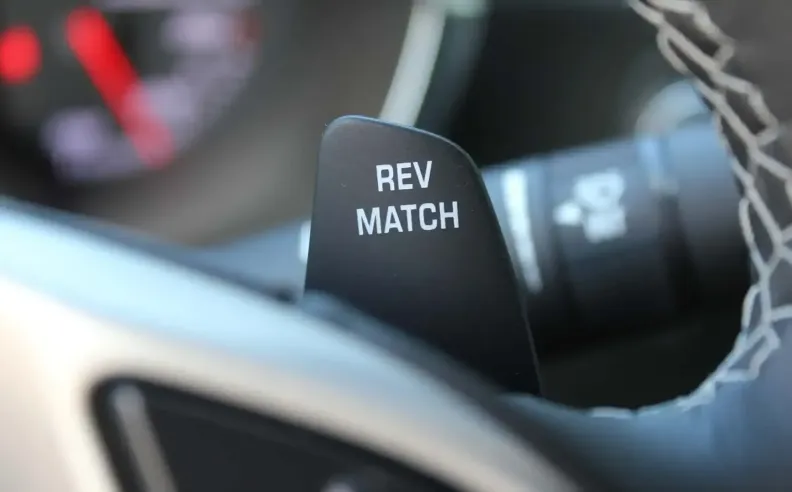
Modern performance cars can perform the throttle adjustment electronically. Sensors monitor vehicle speed, engine rpm and the selected gear, allowing the computer to calculate how much additional engine speed is required.
When the driver selects a lower gear, the system briefly opens the throttle and raises the rpm automatically.
Cars from manufacturers including Honda, Toyota, Hyundai and Mini have offered this technology on manual transmission models.
Automatic rev matching makes smooth downshifts easier for less experienced drivers while still allowing them to enjoy a manual gearbox. Some cars also allow the feature to be disabled for drivers who prefer complete control.
Rev matching raises engine speed before the clutch reconnects so that the engine is already rotating closer to the speed required by the lower gear.
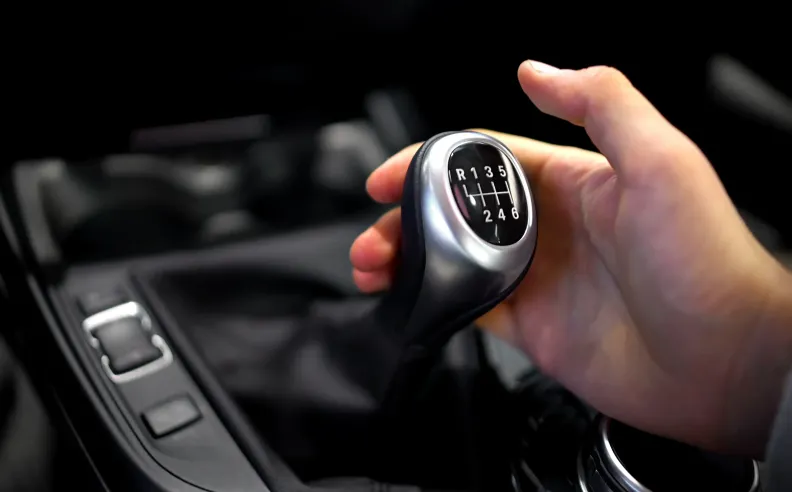
The driver presses the clutch, selects the lower gear and briefly taps the accelerator to increase engine rpm. The clutch is then released once the engine speed is closer to the correct level.
When performed properly, the downshift feels considerably smoother because the drivetrain does not need to make such a sudden adjustment.
The goal is not to reach one exact rpm every time. The driver simply needs to bring the engine reasonably close to the speed required by the selected gear.
Rev matching does not increase horsepower or directly make a car accelerate faster. Its main benefit is maintaining smoothness and stability during downshifts.
This becomes especially useful when approaching a corner quickly. An abrupt downshift can upset the chassis at the same time the driver is braking and turning. Matching the engine speed helps reduce that disturbance.
It can also reduce how much work the clutch has to do when reconnecting the engine and transmission.
For performance driving, another advantage is that the engine is already operating in a useful rpm range when the driver begins accelerating again.
Heel and toe driving uses the same basic principle but adds braking into the process.
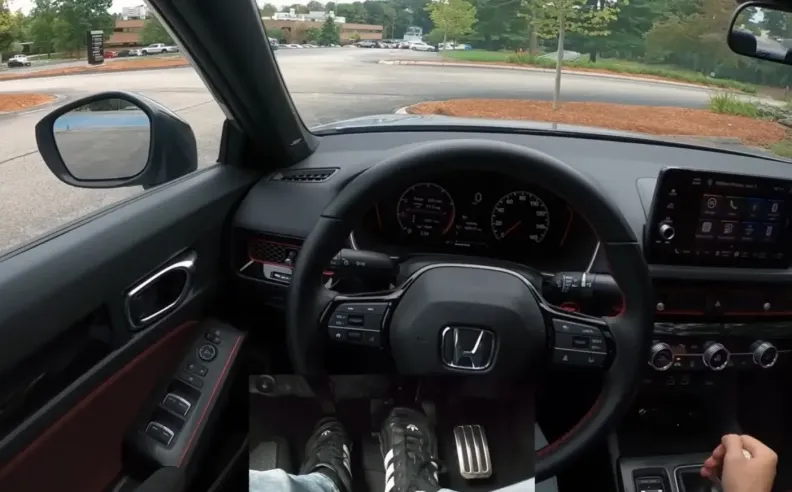
The driver operates the brake pedal while using another part of the right foot to briefly press the accelerator. At the same time, the left foot operates the clutch.
This allows the driver to brake, downshift and match engine speed almost simultaneously. The technique is especially useful during spirited driving because it helps keep the car balanced when approaching a corner.
Rev matching is useful, but it is not essential for normal driving. Modern manual transmissions use synchronizers that make ordinary gear changes much easier than they were in older vehicles.
A driver can therefore downshift normally and allow the clutch to gradually bring the engine up to the required speed.
Rev matching simply makes that transition smoother when performed correctly. It can reduce drivetrain shock, improve vehicle stability and make manual driving feel more satisfying.
For enthusiasts, that smooth moment when the engine speed perfectly meets the lower gear is also part of what makes driving a manual car so rewarding.

Started my career in Automotive Journalism in 2015. Even though I'm a pharmacist, hanging around cars all the time has created a passion for the automotive industry since day 1.


 SHARE
SHARE