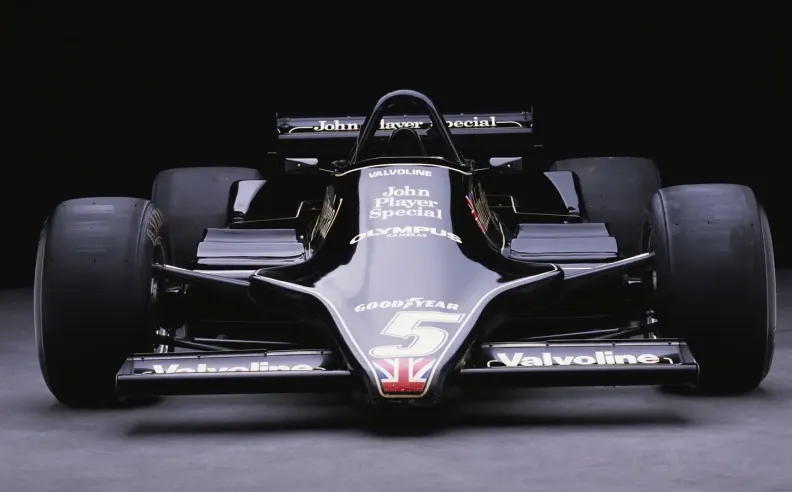
Formula 1 tires may look dangerously worn at first glance because their surface has no grooves or visible tread. In reality, these smooth racing tires are purpose built for dry tracks and are engineered to deliver maximum grip at extreme speeds.
Their advantage comes from three main factors: a larger contact area with the asphalt, specialized rubber compounds, and precise temperature management. Together, these elements allow a Formula 1 car to accelerate, brake, and corner at levels that would be impossible with ordinary road tires.
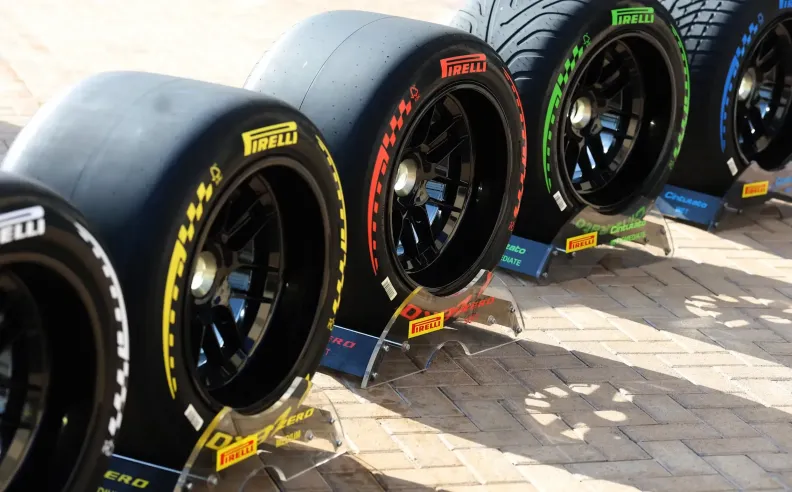
Slick tires remove grooves so that more rubber can remain in direct contact with the track surface. This larger contact patch helps generate greater mechanical grip during braking, acceleration, and cornering.
Road tires use individual tread blocks that can move slightly under heavy forces. Racing slicks avoid this movement by using a continuous surface, which gives drivers more immediate and predictable responses.
The result is better stability and sharper steering when the track is dry and the tire is operating within its intended conditions.
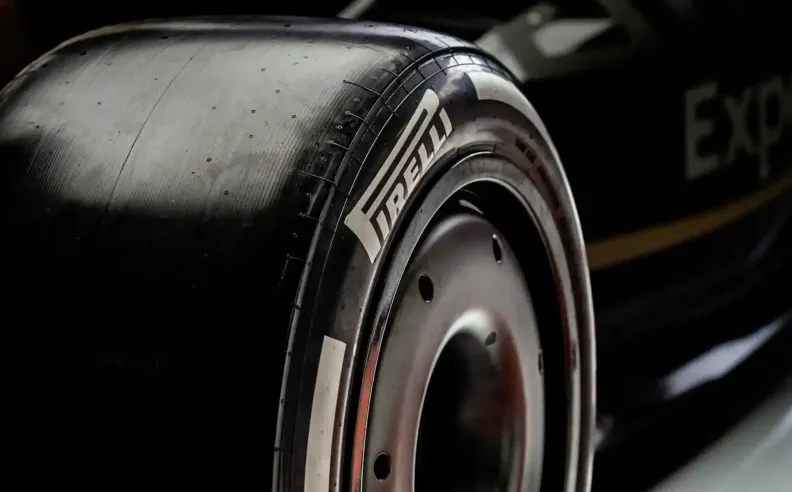
Formula 1 tires use highly specialized rubber compounds that are designed to perform within a specific temperature range.
As the tires heat up, the rubber becomes softer and more adhesive, allowing it to interact more effectively with the asphalt. This creates the grip needed for hard acceleration, heavy braking, and high speed cornering.
Different compounds can also prioritize either grip or durability. Softer tires generally offer stronger performance but wear more quickly, while harder compounds can last longer during a race.
Drivers therefore work constantly to keep the tires within the correct temperature range, especially after slower laps or safety car periods.

Public roads can suddenly become wet, dirty, or covered with standing water, which makes tread essential for everyday safety.
The grooves in a road tire move water away from the contact area so that the rubber can continue touching the road. Without those channels, a layer of water can build beneath the tire and cause hydroplaning.
Formula 1 teams face the same problem when rain begins. Drivers switch from slicks to specially designed wet weather tires with deep grooves that can remove large amounts of water.
This makes slick tires highly effective on dry circuits but completely unsuitable for changing road conditions.
A worn road tire does not become a racing tire simply because its tread disappears.
Formula 1 slicks are built from specialized rubber compounds, internal structures, and materials designed for extreme temperatures and racing loads. A worn road tire has simply lost the tread depth it needs for safe everyday driving.
As the tread wears down, the tire becomes less capable of clearing water and may also lose braking and cornering performance in poor conditions.
A smooth Formula 1 tire is therefore a highly engineered performance tool, while a smooth road tire is usually a sign that replacement is overdue.

Started my career in Automotive Journalism in 2015. Even though I'm a pharmacist, hanging around cars all the time has created a passion for the automotive industry since day 1.



 SHARE
SHARE